
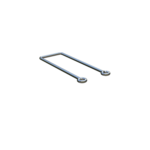
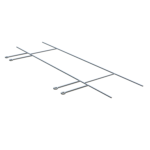
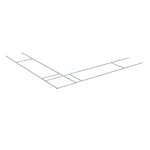
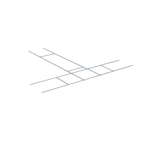






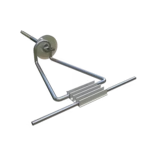
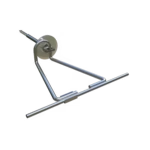
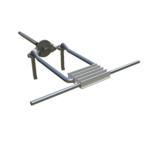
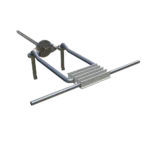
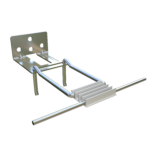
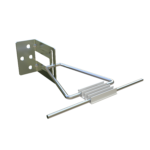
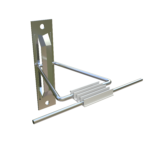
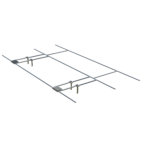
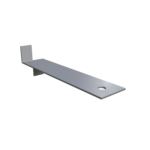

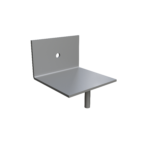

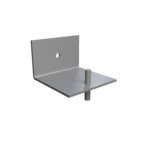

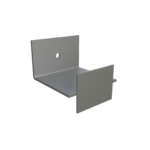
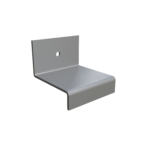
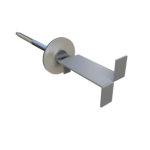
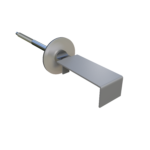
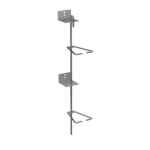
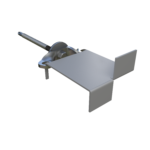

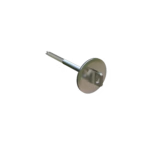
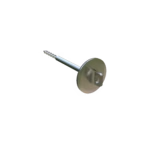
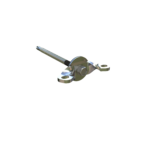
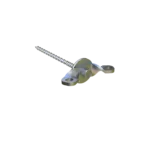
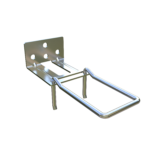
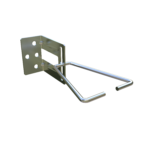
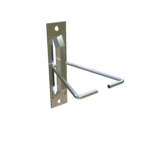
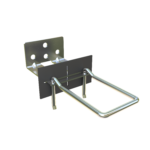
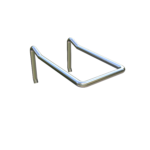
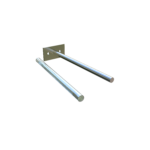
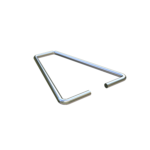


Brick veneer remains one of the most durable and visually appealing exterior cladding systems in commercial and institutional construction. In seismic regions, however, appearance is only one part of the equation. Engineers must ensure that masonry veneer systems can safely move with the building during a seismic event without losing their grip on the structural backup wall.
That’s where anchorage comes in. The anchors hold the veneer to the backup wall, and in a seismic design, they do double duty: transferring loads and accommodating differential movement so the veneer doesn’t crack, bow or fall off. Getting this right means staying current on TMS code requirements and understanding how to select and detail these anchors for seismic conditions.
Understanding Seismic Masonry Veneer Behavior
Unlike structural masonry walls, masonry veneer is generally considered a non-load-bearing exterior cladding system. The veneer is attached to the wall behind it (the backup structure) through a series of anchors or ties that provide lateral support while allowing both the veneer and backup structure to move independently.
The problem is that earthquakes don’t just shake things; they cause lateral displacement, acceleration and dynamic loading, all of which put stress on the veneer system. If the anchors are undersized, spaced too far apart or too rigid, you end up with cracking, failed anchors or (in worst-case scenarios), sections of veneer coming loose entirely.
So the goal in seismic design isn’t to lock the veneer rigidly in place; it’s to keep it connected to the structure while still allowing it enough room to move, so stress doesn’t build up in any one spot.
Why Veneer Anchors Matter in Seismic Design
The anchor system is what physically ties the veneer to the structural backup; it’s a small detail that carries a lot of responsibility. Engineers tend to focus most of their attention on framing and the lateral force-resisting system, but the connections that hold the cladding deserve equal attention.
Seismic masonry veneer anchors have to do a lot at once:
- Resist out-of-plane seismic forces
- Accommodate differential movement between the veneer and the structure
- Hold up under cyclic loading
- Prevent pullout and push-through failures
- Meet long-term durability requirements
Earthquakes load these connections back and forth, over and over, so ductility and movement capacity really matter. An anchor that holds up fine under static loads can behave very differently once it’s been cycled back and forth repeatedly during a seismic event.
TMS Seismic Requirements for Masonry Veneer
The primary standard for masonry veneer design is TMS 402/602 — The Masonry Society’s Building Code Requirements and Specification for Masonry Structures. The current editions include dedicated provisions for veneer systems, with both prescriptive and engineered design paths depending on the project.
The International Building Code (IBC) references TMS requirements for anchored masonry veneer, including specific provisions for seismic design categories. Structures assigned to Seismic Design Categories C, D, E and F must satisfy additional seismic requirements beyond standard veneer attachment criteria.
Among the key seismic considerations are:
Isolation of Veneer from Structural Movement
In higher seismic categories, masonry veneer must be detailed so that structural movements are not directly transferred into the veneer. Isolation joints and movement accommodations help reduce stress buildup during seismic events.
Enhanced Anchorage Requirements
Seismic regions often require closer anchor spacing, additional support or engineered analysis to verify anchor capacity. Prescriptive solutions may not be sufficient for all projects, particularly those with taller walls, wider cavities or higher seismic demands.
Floor-Line Support Requirements
For many buildings located in higher seismic design categories, veneer support at floor lines becomes a critical design requirement. Intermediate support helps limit the amount of unsupported veneer and reduces seismic demand on the anchorage system.
Key Anchor Design Considerations
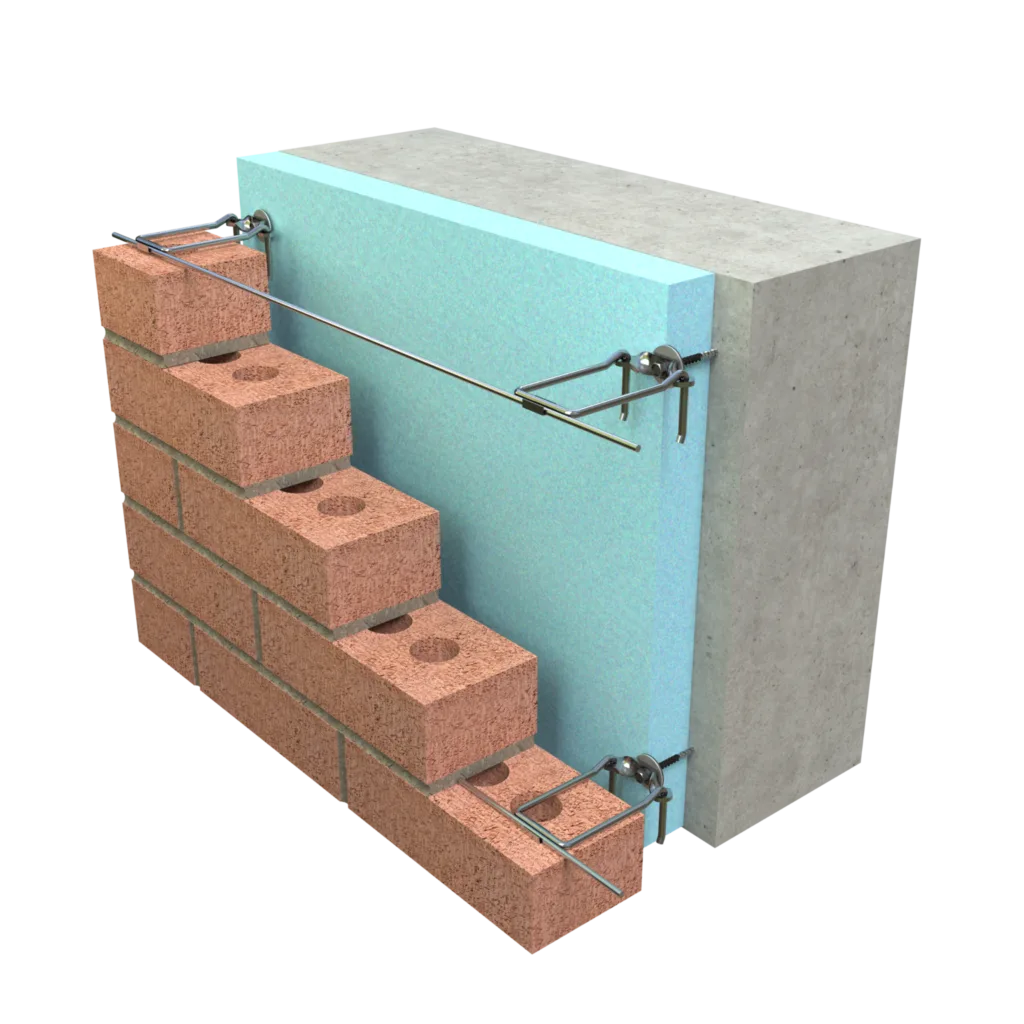
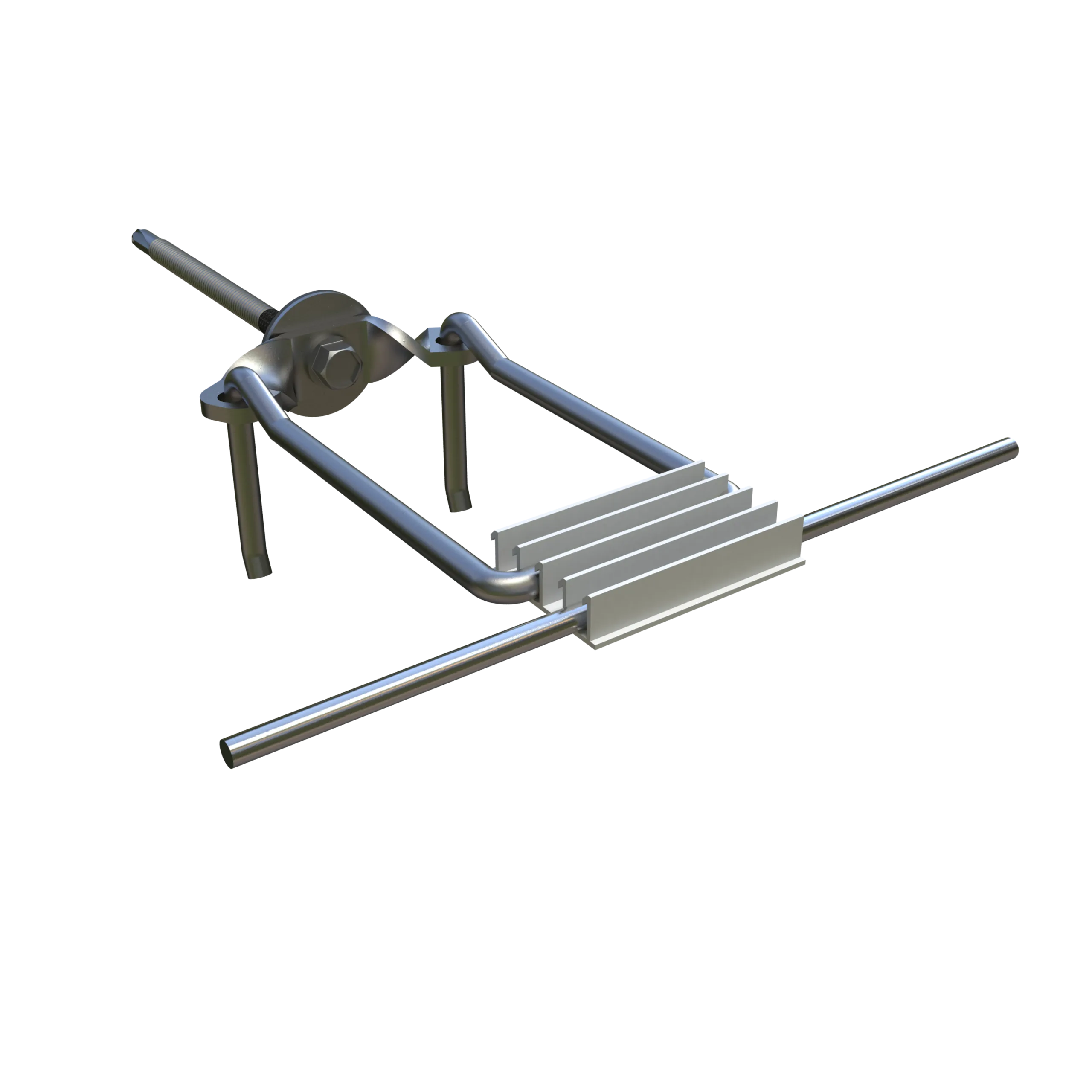
Selecting the right seismic anchors for brick veneer involves more than simply meeting minimum code requirements. Engineers should evaluate several project-specific factors.
Seismic Design Category
The assigned Seismic Design Category (SDC) is often the starting point for anchor selection and detailing. Higher seismic categories generally require more robust anchorage systems and closer attention to movement capabilities. As seismic demands increase, the importance of anchor flexibility and tested performance grows.
Cavity Width
Modern wall assemblies frequently incorporate thicker insulation and larger drainage cavities. While these assemblies improve thermal performance, they can create challenges for anchor design.
As cavity depth increases, anchor stiffness decreases and movement demands become more pronounced. Larger stand-off distances may require engineered anchor systems with verified load capacities beyond prescriptive code limits.
Backup Wall Construction
Anchor performance is influenced by the substrate to which it is attached. Concrete, CMU, steel stud framing and wood framing each present different connection requirements.
TMS provisions require anchors to be fastened directly to structural framing rather than relying solely on sheathing materials. Proper attachment to the structural backup is essential for reliable seismic performance.
Building Height
As wall height increases, seismic forces and deflection demands typically increase as well. Taller veneer walls often require engineered analysis and additional support strategies to maintain compliance with code requirements.
Anchor Spacing and Embedment Requirements
Proper anchor spacing is one of the most important aspects of veneer performance.
Space the anchors too far apart, and each one ends up carrying more load than it should. Embed them improperly, and the connection itself loses strength, even if the spacing is fine.
TMS sets minimum embedment depths and mortar cover requirements to ensure reliable load transfer. In practice, this means anchors need to be embedded deep enough in the mortar joint to do their job, while still having enough cover to guard against corrosion and pull-through failures.
Engineers should also verify that anchor spacing aligns with framing layouts and accommodates anticipated seismic movements.
The Shift Toward Engineered Veneer Design
Historically, most veneer systems were designed using the code’s prescriptive provisions: follow the table, meet the limits, done. But a lot of today’s buildings push past those limits pretty quickly.
Larger cavities, increased insulation thickness, taller wall assemblies and higher seismic demands frequently require engineered design methods. That’s part of why TMS has expanded its guidance around rational and engineered design approaches in recent updates, giving engineers more room to work while still keeping performance objectives in check.
Engineered design tends to pay off most when a project falls outside the prescriptive limits to begin with, or when there’s an opportunity to optimize the anchor layout for cost and constructability.
Common Seismic Design Mistakes
Several recurring issues can compromise veneer performance in seismic regions.
Relying Solely on Prescriptive Requirements
Prescriptive provisions are useful, but they do not apply to every project. Engineers should confirm that wall geometry, cavity dimensions, loading conditions and seismic demands fall within allowable limits before using prescriptive methods.
Ignoring Movement Accommodation
Rigid connections can create unintended stress concentrations during seismic events. Anchors should be selected and detailed to accommodate expected building movement.
Improper Anchor Attachment
Fastening anchors only to sheathing rather than structural framing can significantly reduce connection performance. Direct attachment to the backup structure remains a fundamental requirement.
Overlooking Coordination
Successful seismic veneer design requires coordination among structural engineers, architects, contractors and anchor manufacturers. Early collaboration helps prevent field conflicts and installation issues.
Choosing Seismic Masonry Veneer Anchors for Long-Term Performance
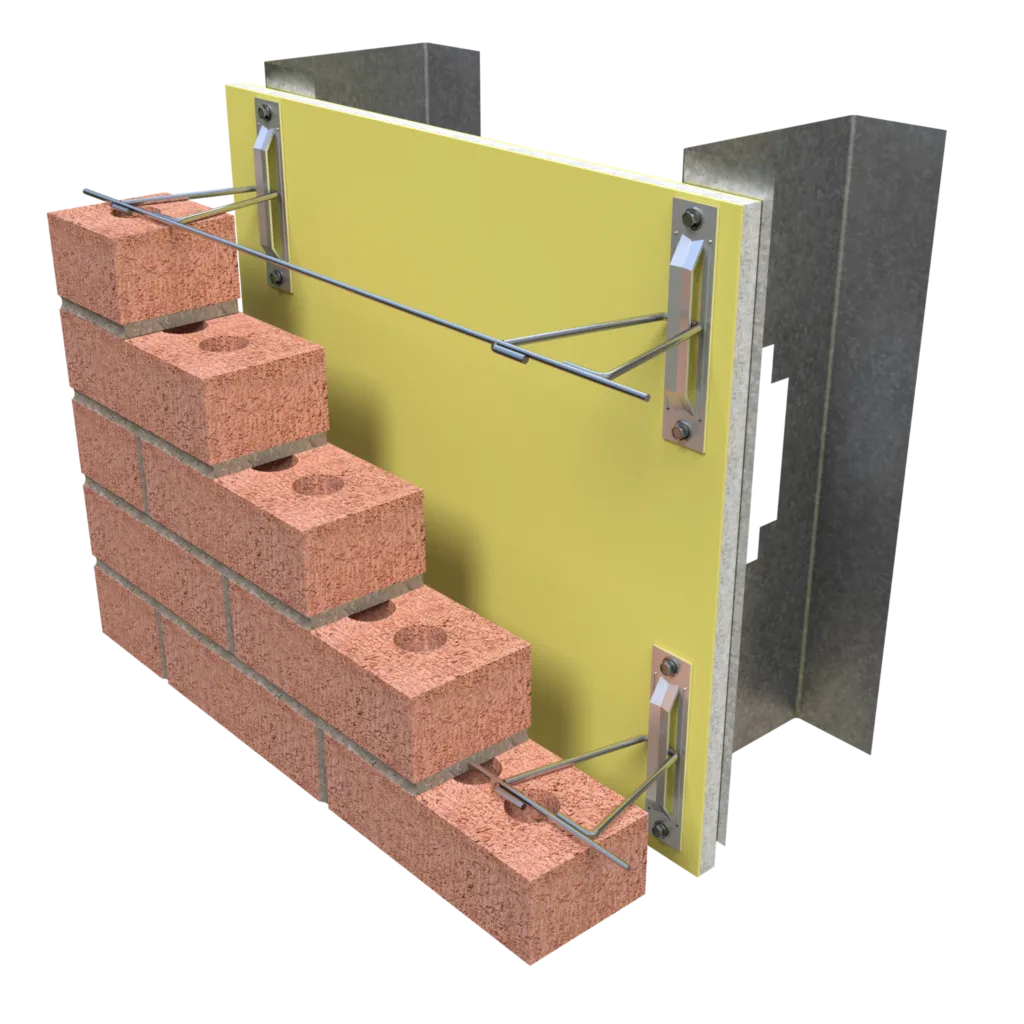
When it comes to selecting anchors, no single factor matters most: strength, movement capability, corrosion resistance and constructability all have to be weighed together. It’s worth looking for systems with actual test data under conditions that simulate seismic loading, not just static load ratings. They also need to fit the specific demands of the project.
Manufacturers who’ve done extensive testing and can offer engineering support are a real asset here, especially on projects that go beyond what the prescriptive code allows.
Codes will continue to evolve, and seismic expectations will only get tougher. Veneer anchorage will remain a key part of building resilience, so understanding TMS requirements, anchor behavior and project-specific loading helps engineers build veneer systems that are safe and lasting.
Building Seismic Resilience Starts with the Right Anchor System
Seismic masonry veneer design isn’t just about selecting a tie that checks a code box. It takes a real evaluation of movement demands, anchor capacity, backup wall conditions and the latest TMS provisions to put together an anchorage strategy that actually performs when it counts.
Talk to 3GEN Masonry Products to find the right anchor system for your next project, and get the code compliance and long-term performance your design demands.