
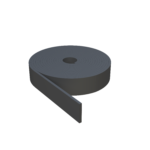
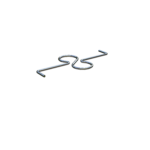
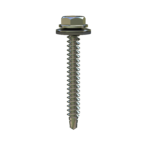
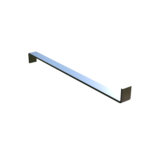





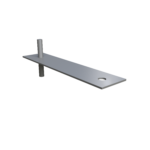
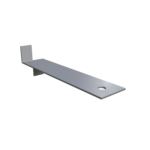

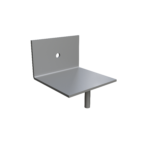

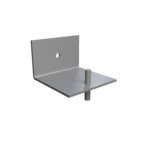

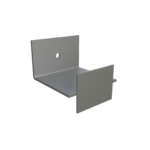
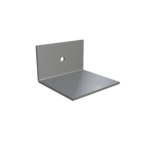
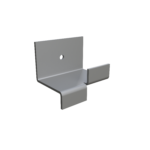

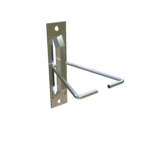
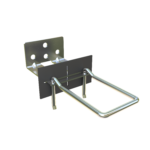


Architects spend significant time evaluating structural systems, wall assemblies, building envelope performance and material selections. Yet one area that can have a major impact on wall durability and long-term performance is often overlooked: masonry accessories.
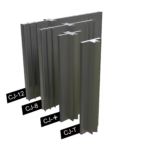
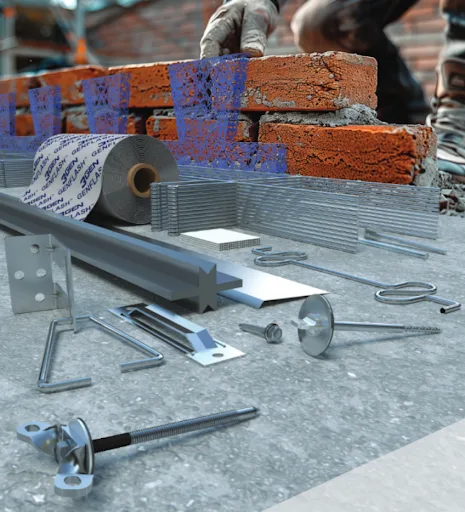
From reinforcement and anchors to flashing and moisture management, masonry accessories play a key role in helping masonry systems meet modern performance requirements.
Because many masonry accessories are concealed within the wall assembly, their role in overall performance can be easy to overlook. AIA-approved masonry courses and masonry CEU programs help architects better understand wall performance, detailing strategies and Health, Safety and Welfare (HSW) considerations that influence project success.
Why Masonry Accessories Matter in Architectural Design
Masonry walls are often viewed as highly durable, low-maintenance systems. While that is true, successful masonry construction depends on more than brick, block and mortar alone.
Every masonry wall contains a network of supporting components that help the assembly function as intended. These accessories are designed to address challenges such as:
- Structural movement
- Lateral loads
- Moisture intrusion
- Thermal expansion and contraction
- Differential movement between materials
- Long-term durability
When specified correctly, masonry accessories help architects create wall systems that perform consistently for decades. When overlooked or improperly detailed, even well-designed masonry assemblies can experience cracking, water penetration or premature deterioration.
Understanding how these products interact with the overall wall assembly is an essential part of modern masonry design.
Key Categories of Masonry Accessories
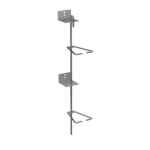
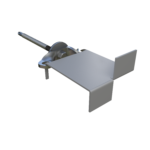
Anchors and Ties
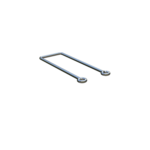
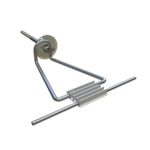
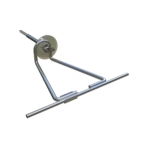
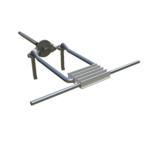
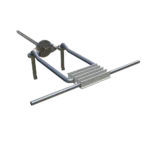
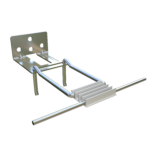
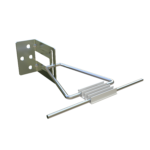
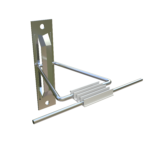
Anchors and ties connect masonry veneers to structural backup systems while allowing for necessary movement within the wall assembly.
These components help transfer loads and maintain stability while accommodating building movement caused by temperature changes, wind loads and structural deflection.
Architects should evaluate:
- Backup wall type
- Wind load requirements
- Seismic considerations
- Corrosion resistance
- Differential movement allowances
Proper anchor selection is especially important in cavity wall construction, where performance depends on maintaining structural connections without compromising drainage or movement capabilities.
Reinforcement Systems
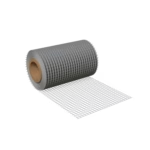
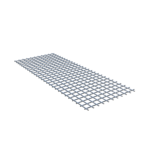
Masonry reinforcement provides additional strength and crack resistance throughout the wall assembly.
Common reinforcement components include:
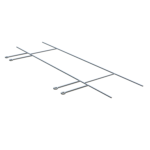
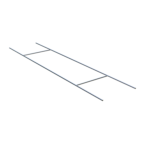
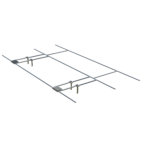
- Ladder wire reinforcement
- Truss wire reinforcement
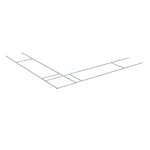
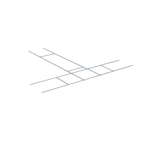
- Joint reinforcement
- Specialty reinforcing systems
These products help distribute stresses within the wall and improve overall structural performance.
For architects working on commercial, institutional or high-performance projects, reinforcement strategies often play a central role in meeting structural and code requirements.
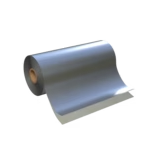
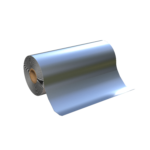
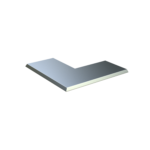
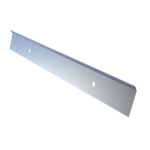
Flashing Systems
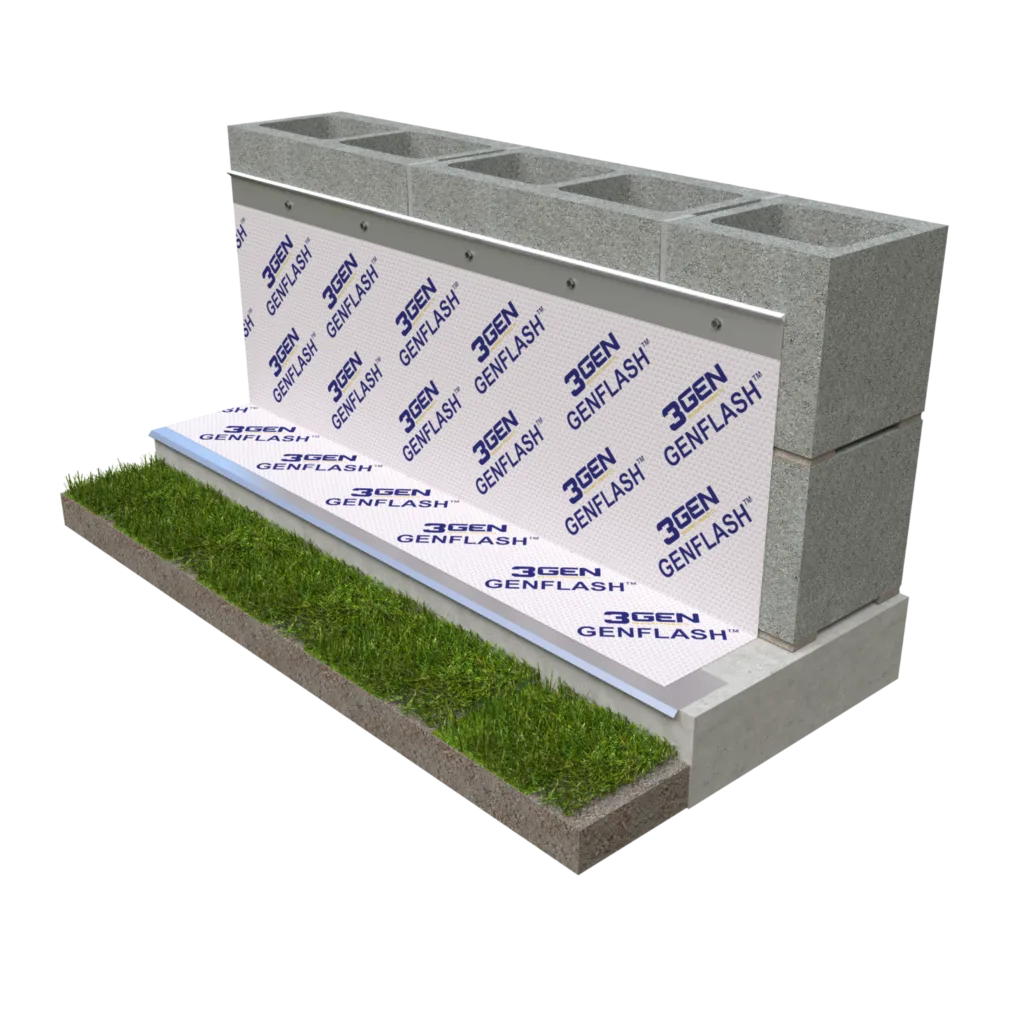
Water management remains one of the most important considerations in masonry design.
Flashing systems direct moisture out of wall cavities before it can infiltrate interior building components. Proper flashing installation helps prevent:
- Water intrusion
- Mold growth
- Freeze-thaw damage
- Corrosion of embedded materials
- Interior finish deterioration
Architects should carefully detail flashing at:
- Base of walls
- Shelf angles
- Window and door openings
- Roof-to-wall transitions
- Parapets
Effective flashing design is frequently discussed in AIA masonry courses because of its direct connection to building performance and HSW objectives.
Weeps and Drainage Components
Even the best flashing systems require proper drainage pathways.
Weeps allow moisture collected within cavity walls to exit the assembly. Combined with drainage products, they help maintain a dry wall system and reduce long-term moisture-related issues.
Key considerations include:
- Weep spacing
- Drainage plane continuity
- Airflow within wall cavities
- Maintenance accessibility
When integrated correctly, drainage systems become an essential part of the wall’s moisture management strategy.
Expansion and Control Joint Materials
All building materials move.
Masonry experiences dimensional changes caused by temperature and moisture fluctuations and structural movement. Expansion and control joints help accommodate this movement while minimizing cracking.
Architects should carefully coordinate:
- Joint locations
- Joint spacing
- Sealant compatibility
- Movement expectations
- Interface conditions with adjacent materials
Proper joint detailing helps preserve both performance and visual appeal throughout the life of the structure.
The Growing Importance of Building Envelope Performance
Today’s masonry projects face higher performance expectations than ever before. Energy codes continue to evolve. Sustainability goals are becoming more ambitious. Owners expect longer service life with fewer maintenance concerns. As a result, architects are paying greater attention to building envelope design and moisture management strategies.
Masonry accessories play a major role in supporting these objectives by helping wall systems:
- Manage water effectively
- Improve durability
- Enhance structural performance
- Support thermal efficiency goals
- Meet current building codes
Many masonry CEU programs now focus heavily on wall assembly performance because these details directly influence long-term building success.
What Architects Learn Through Masonry CEU Programs
Continuing education provides architects with opportunities to stay current on evolving construction methods, codes and best practices. Masonry-focused AIA courses often cover topics such as:
Moisture Management
Water penetration remains one of the leading causes of building envelope failures.
Architects can learn how flashing, drainage systems, weeps and accessory placement work together to protect wall assemblies from moisture-related problems.
Structural Performance
Many courses examine the relationship between reinforcement systems, anchors, wall movement and overall structural behavior. This knowledge helps architects develop more resilient masonry designs while improving coordination with structural engineers.
Code Compliance
Building codes continue to evolve in areas such as fire resistance, energy efficiency, structural design, life safety and accessibility. Masonry CEU programs help architects stay current with these requirements and their impact on wall assembly design and detailing.
Health, Safety and Welfare Considerations
Many masonry education programs qualify for AIA HSW credit because masonry detailing directly affects building safety and performance. Topics often include moisture protection, structural reliability, occupant comfort and other factors that influence the long-term success of a building.
Common Specification Mistakes Architects Can Avoid
Even experienced design teams can overlook accessory-related details during specification development. Some common issues include:
Incomplete Moisture Management Details
Flashing may be specified without sufficient attention to drainage pathways, termination methods or continuity throughout the wall assembly.
Mismatched Material Compatibility
Certain accessory materials may not perform well together over time if corrosion resistance and compatibility are not properly evaluated.
Generic Specifications
Using overly broad specifications can create uncertainty during construction and increase the likelihood of substitutions that may not align with project goals.
Limited Coordination Between Disciplines
Structural, architectural and envelope considerations often overlap within masonry systems. Early coordination can help prevent detailing conflicts later in the project.
Continuing education helps architects recognize these challenges before they affect project performance.
Why Continuing Education Benefits Architectural Firms
Masonry education offers advantages that extend beyond earning required credits.
Architects who deepen their understanding of masonry systems can:
- Improve specification quality
- Reduce construction-phase issues
- Enhance building envelope performance
- Strengthen coordination with contractors and consultants
- Deliver greater long-term value to clients
And, as projects become increasingly complex, technical knowledge becomes a competitive advantage.
Whether attending a lunch-and-learn, webinar, in-person seminar or AIA-approved masonry course, architects gain practical information that can be applied immediately to their current projects.
Advancing Masonry Knowledge Through Education
Masonry accessories may not receive the same attention as major structural or architectural elements, but their role in wall performance is substantial. Anchors, reinforcement systems, flashing, drainage components and movement-control products all contribute to the durability, safety and long-term performance of masonry assemblies.
A strong understanding of these systems helps architects make informed design decisions, improve detailing and address performance challenges before construction begins. Continuing education offers a practical way to build that knowledge while staying current with industry standards and best practices.
To explore masonry accessories in greater detail or learn more about available educational resources, contact 3GEN Masonry Products today. Our team can help connect you with product information, technical guidance and learning opportunities that support better masonry design.