



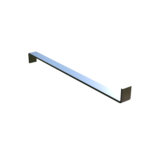
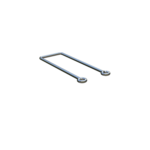
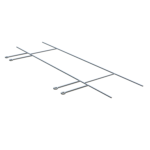
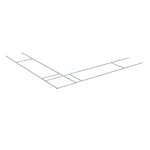












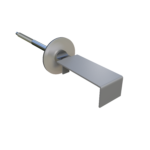
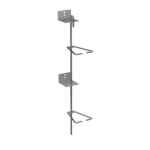
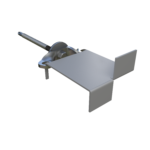

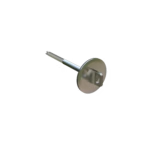




Brick walls have long been a popular choice for homes and commercial buildings due to their durability and classic look. But even the toughest masonry is only as good as its flashing. When flashing fails, water finds a way in, leading to costly repairs and serious structural damage. Understanding what causes flashing to fail, how to spot the warning signs and how to fix it properly is the key to keeping your brick wall standing strong.
What is Flashing and Why Does It Matter?
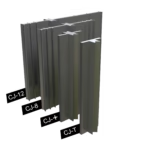
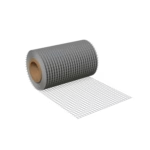
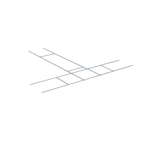
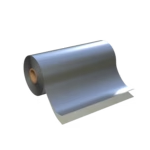
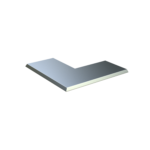
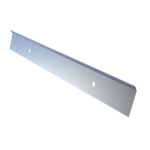
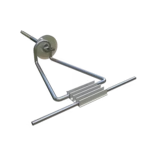
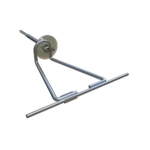
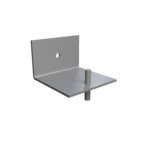
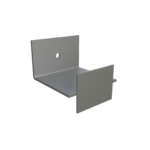
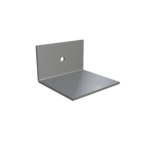
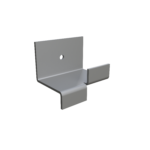
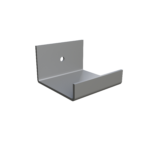
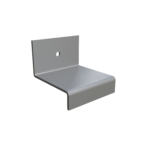
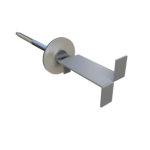
Flashing is a barrier installed inside masonry walls that directs moisture entering the wall cavity safely away from the building. It’s typically made from metals like copper, stainless steel, or from synthetic membranes, chosen for their durability and ability to handle temperature swings without cracking or tearing.
In cavity wall construction, where a gap separates the brick veneer from the backup wall, flashing is especially critical. Compromised or missing flashing allows water to seep through cracks, mortar joints and other openings, leading to mold, spalling bricks and structural damage.
What Causes Flashing to Fail in Brick Walls?
Poor Installation
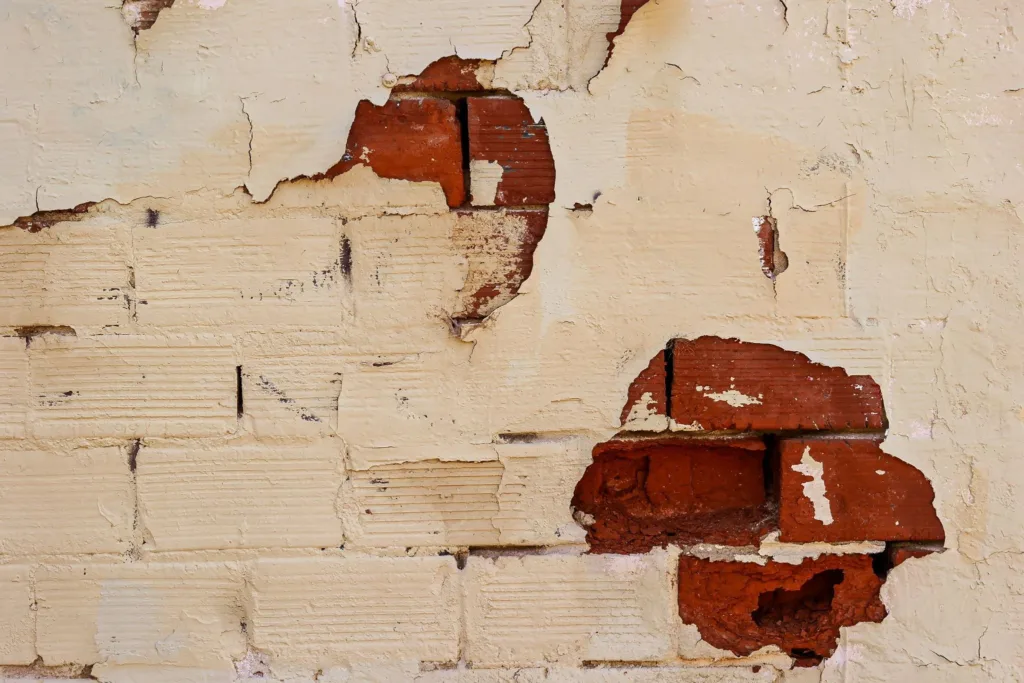
The bottom line is that flashing only works if it’s installed correctly. Common mistakes include insufficient overlaps between flashing pieces (less than six inches), failing to extend flashing past the brick surface and missing end dams that stop water from flowing back into the wall.
Using the Wrong Materials
Some flashing materials don’t hold up well with masonry or other wall components. Galvanized steel can corrode in the alkaline environment of mortar, and some plastics break down under sunlight. Copper and stainless steel are the best choices as they last longer and are fully compatible with brick and mortar.
Blocked or Missing Weep Holes
Weep holes allow water to escape from inside the wall cavity. If these holes get clogged with mortar or debris, or if they’re missing altogether, water can build up behind the bricks, causing moisture problems and flashing failure.
Thermal Expansion and Movement
Bricks and concrete expand and contract with temperature changes. If flashing can’t accommodate this movement, it might crack or pull away from the wall, creating gaps where water can enter. Structural settling can also cause cracks that let moisture in.
Wind-Driven and Heavy Rain
Strong winds during storms can push water into tiny cracks or gaps in the brick. Without proper flashing and drainage, this water can soak deep into the wall, leading to mold and leaks inside the building.
Capillary Action and Mortar Decay
Water can be drawn into the wall through tiny cracks or damaged mortar joints. Over time, this can cause white salt deposits (efflorescence) and bricks to break apart (spalling), weakening the flashing system and the wall itself.
How to Spot Flashing Failure
Catching flashing problems early can save significant time and money. During inspections, keep an eye out for:
- White, powdery deposits on bricks (efflorescence)
- Bricks that are crumbling or flaking
- Water stains inside near windows, doors or where the roof meets the wall
- Mold or mildew inside walls or on surfaces
- Cracked or deteriorating mortar joints
- Damp spots or interior leaks
How to Prevent Flashing Failure
Good design and installation are the best defenses against flashing failure.
- Choose Quality Materials: Use durable, corrosion-resistant flashing like copper or stainless steel that won’t react with mortar or masonry.
- Install Properly: Flashing should be continuous with proper overlaps, extend beyond the brick face, and include drip edges and end dams to keep water moving away.
- Add Drainage Layers: Use materials like drainage mats or gravel to help water flow toward flashing and weep holes.
- Keep Weep Holes Clear: Make sure weep holes are properly spaced and free of debris, and ensure mortar doesn’t accumulate on flashing during installation, which is one of the most common causes of blockage.
- Allow for Movement: Flashing details should accommodate expansion and contraction to avoid cracking or separation.
- Inspect Regularly: Check after major storms and at least once a year to catch problems before they escalate.
Fixing Flashing Failure the Right Way
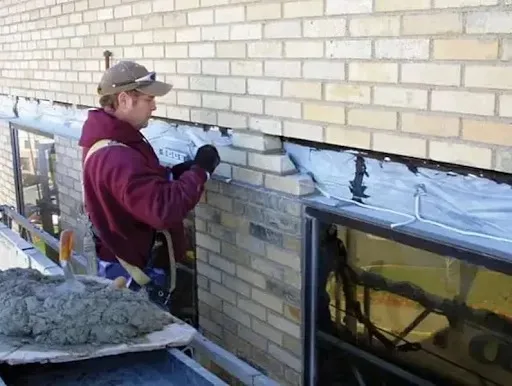
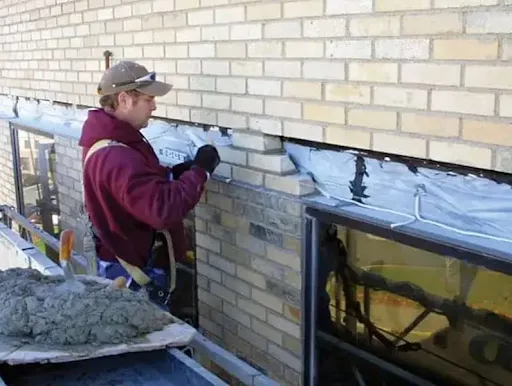
When flashing problems are found, prompt action limits the damage:
- Get a Professional Inspection: A qualified masonry contractor can assess the extent of the damage and determine what needs fixing.
- Remove Damaged Areas: Take out any compromised bricks, mortar or flashing.
- Install New Flashing: Use high-quality materials like copper or stainless steel, following best practices for overlaps, drip edges and secure attachment.
- Repair Mortar Joints: Repoint or tuckpoint damaged mortar to restore the wall’s watertightness.
- Clear or Add Weep Holes: Remove blockages or install new weep holes to ensure water can escape.
- Address Moisture Damage: Remediate any mold, dampness or interior damage caused by the leak.
- Apply Sealants if Needed: Breathable water-repellent coatings can add protection without trapping moisture inside the wall.
When to Call a Professional
Flashing failures aren’t always visible until damage has already spread. Because flashing is buried inside the wall, diagnosing the problem — and fixing it correctly — takes experience. A qualified masonry contractor can assess the full extent of the issue, recommend the right materials, and ensure the repair holds up long term.
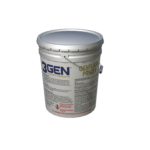
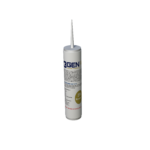
At 3Gen Masonry Products, we supply contractors and builders with high-performance flashing materials engineered for durability and straightforward installation. Whether you’re working on a new build or repairing an existing wall, our products are designed to keep moisture out and your masonry structure sound.
Don’t let hidden moisture become a costly repair. Contact 3Gen Masonry Products and get the right materials for the job.