
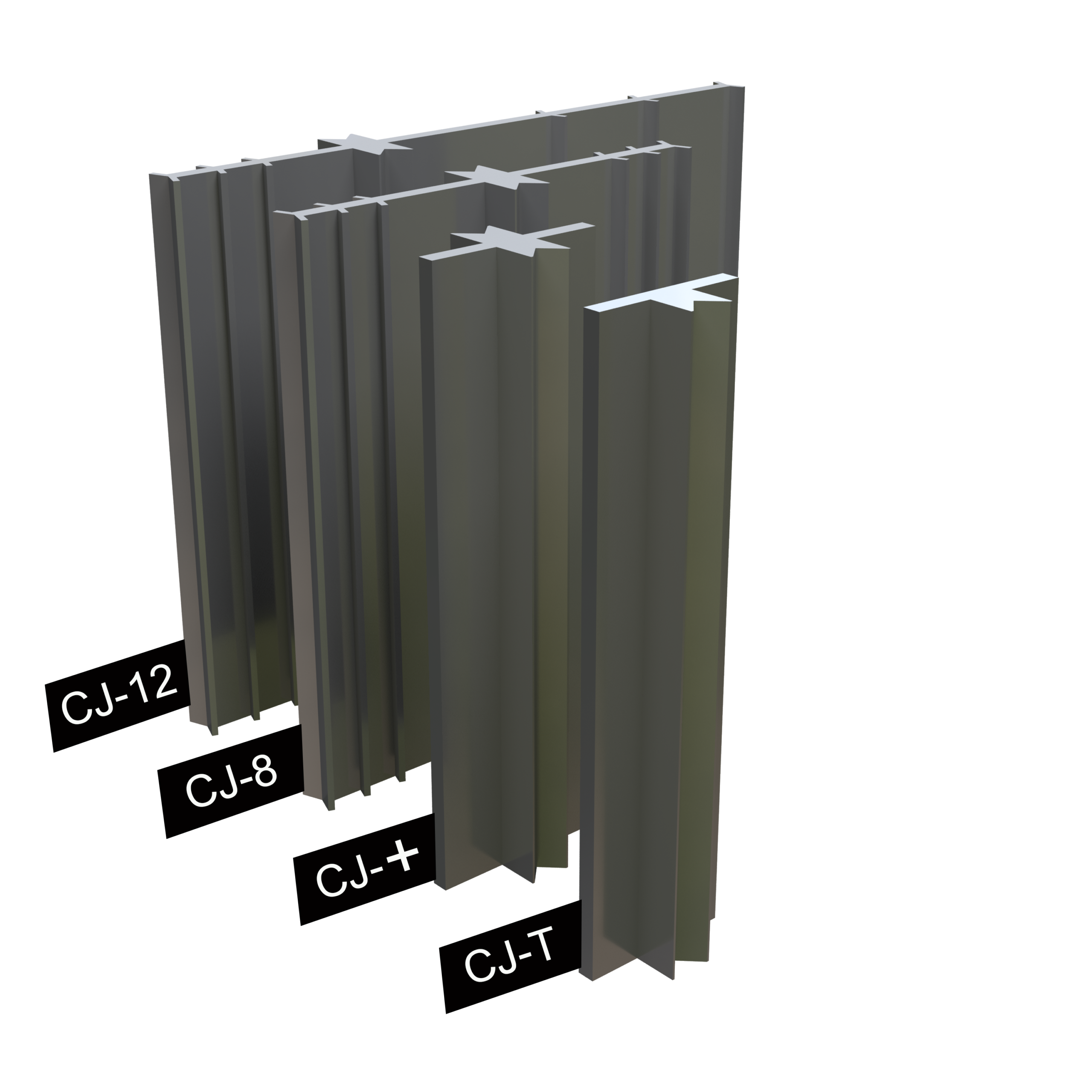
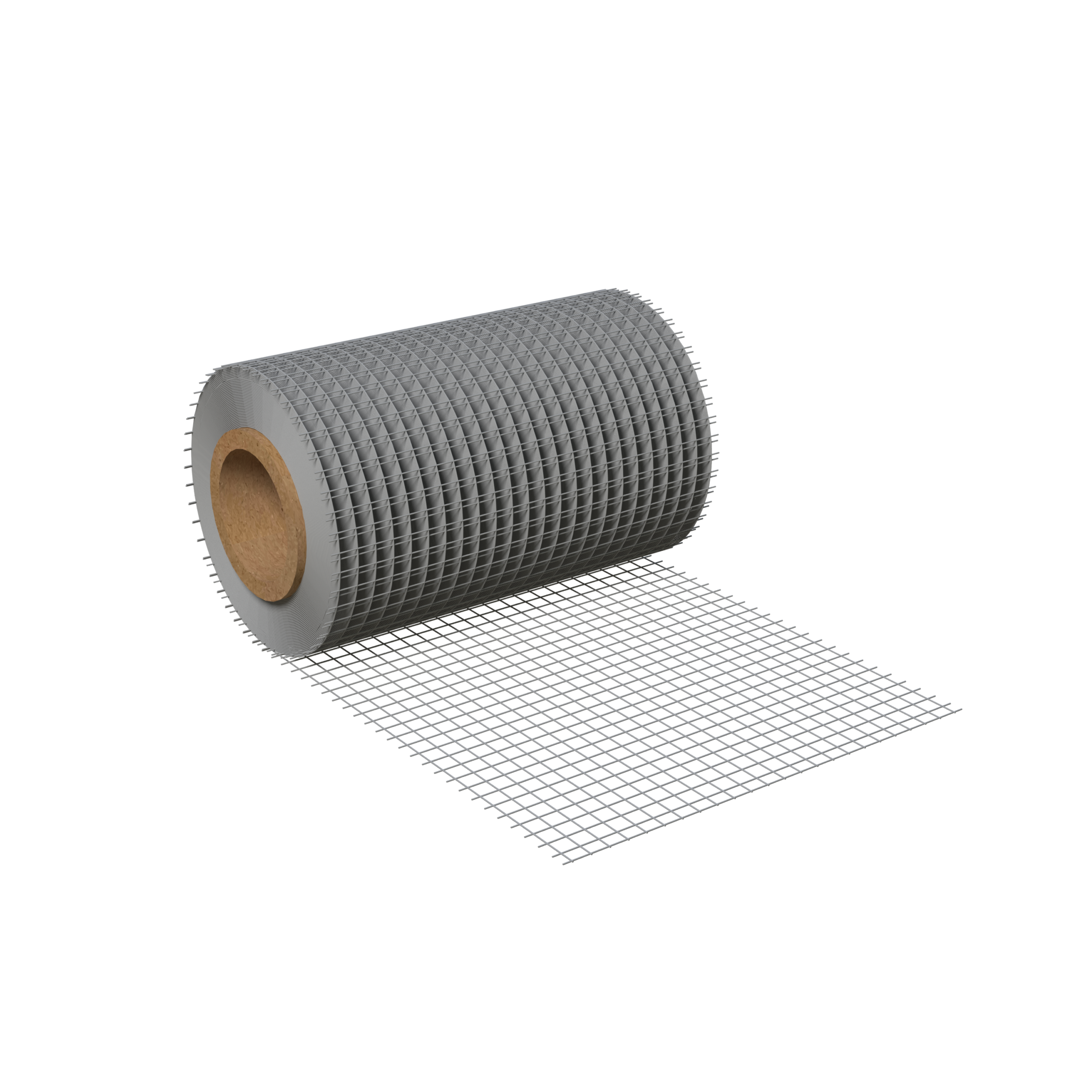





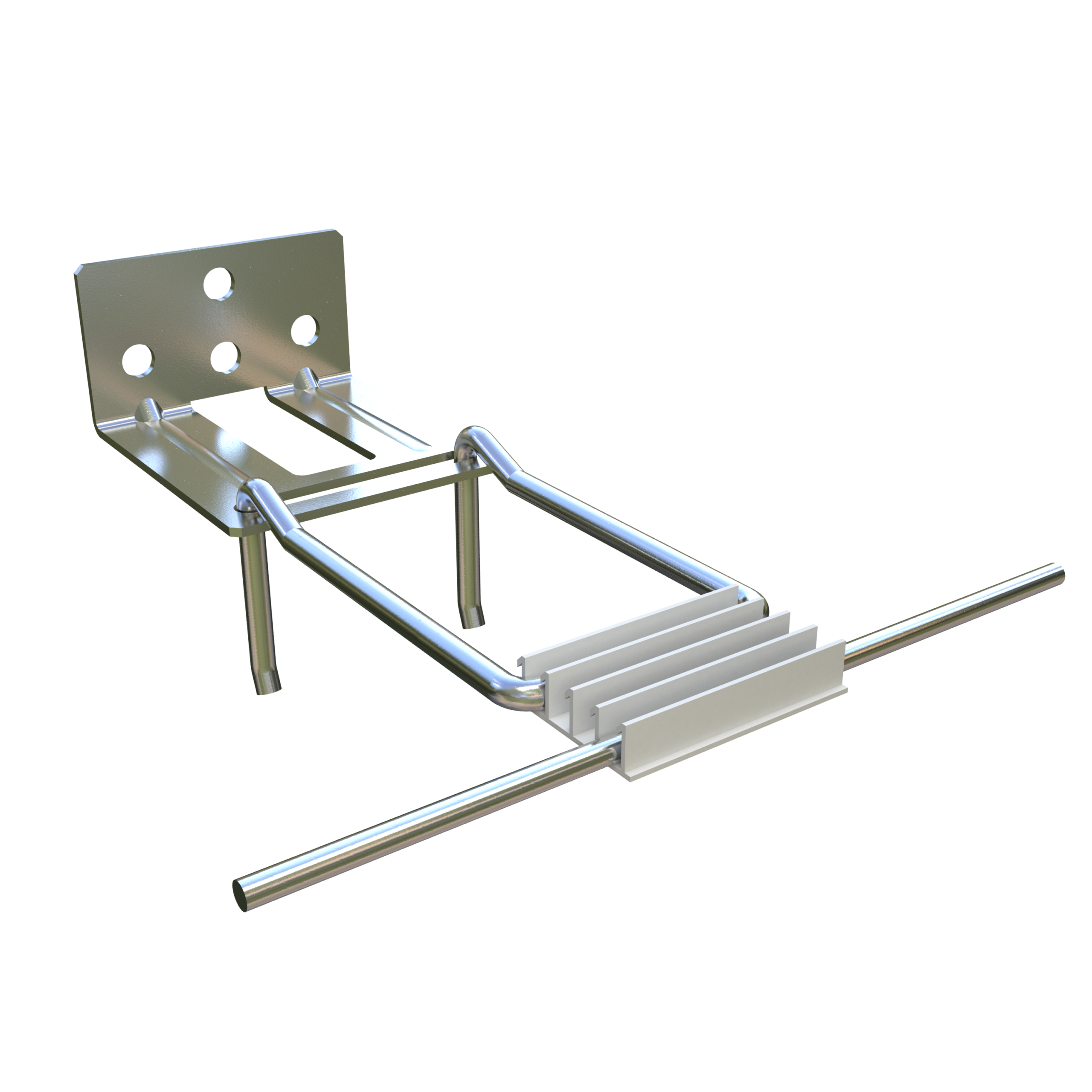
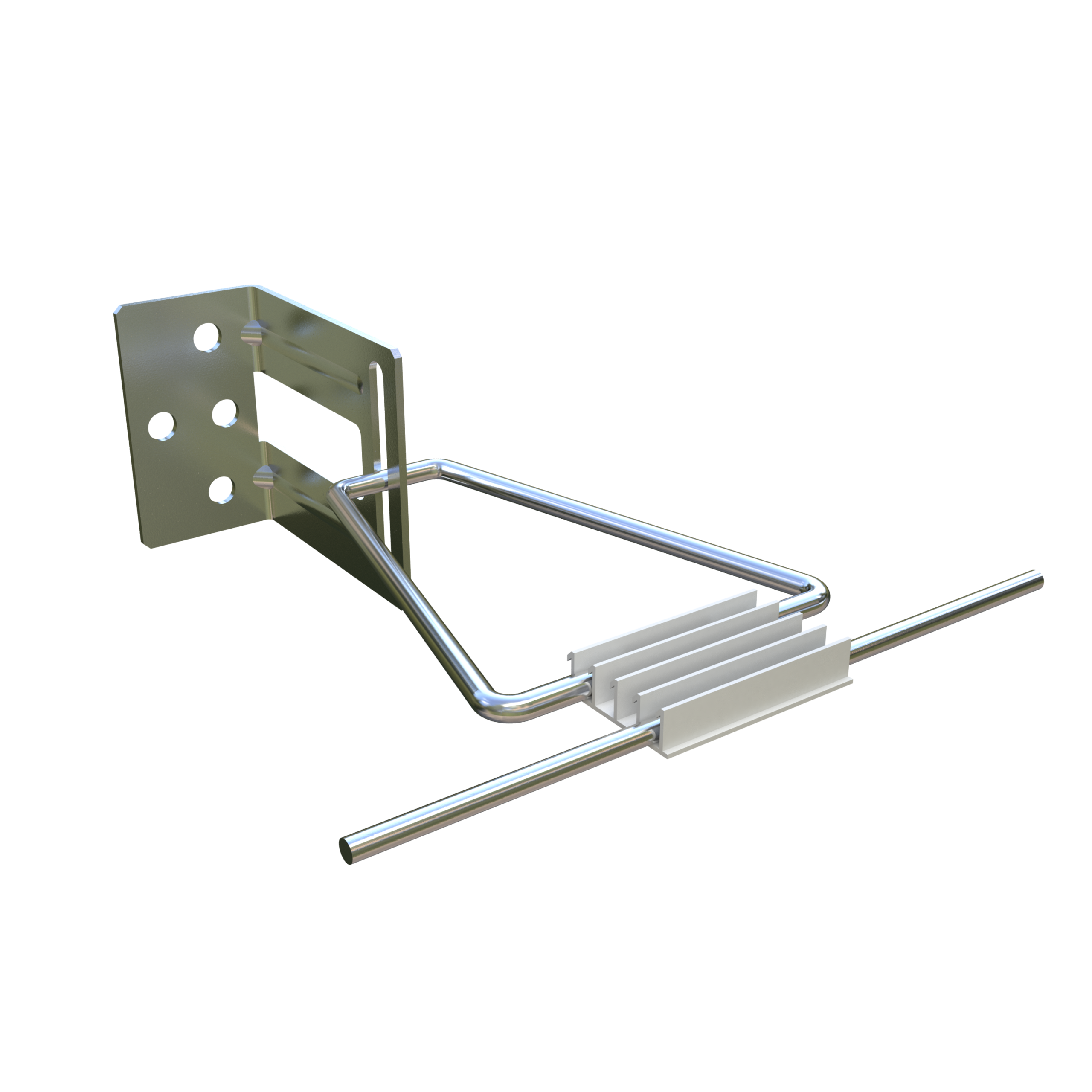
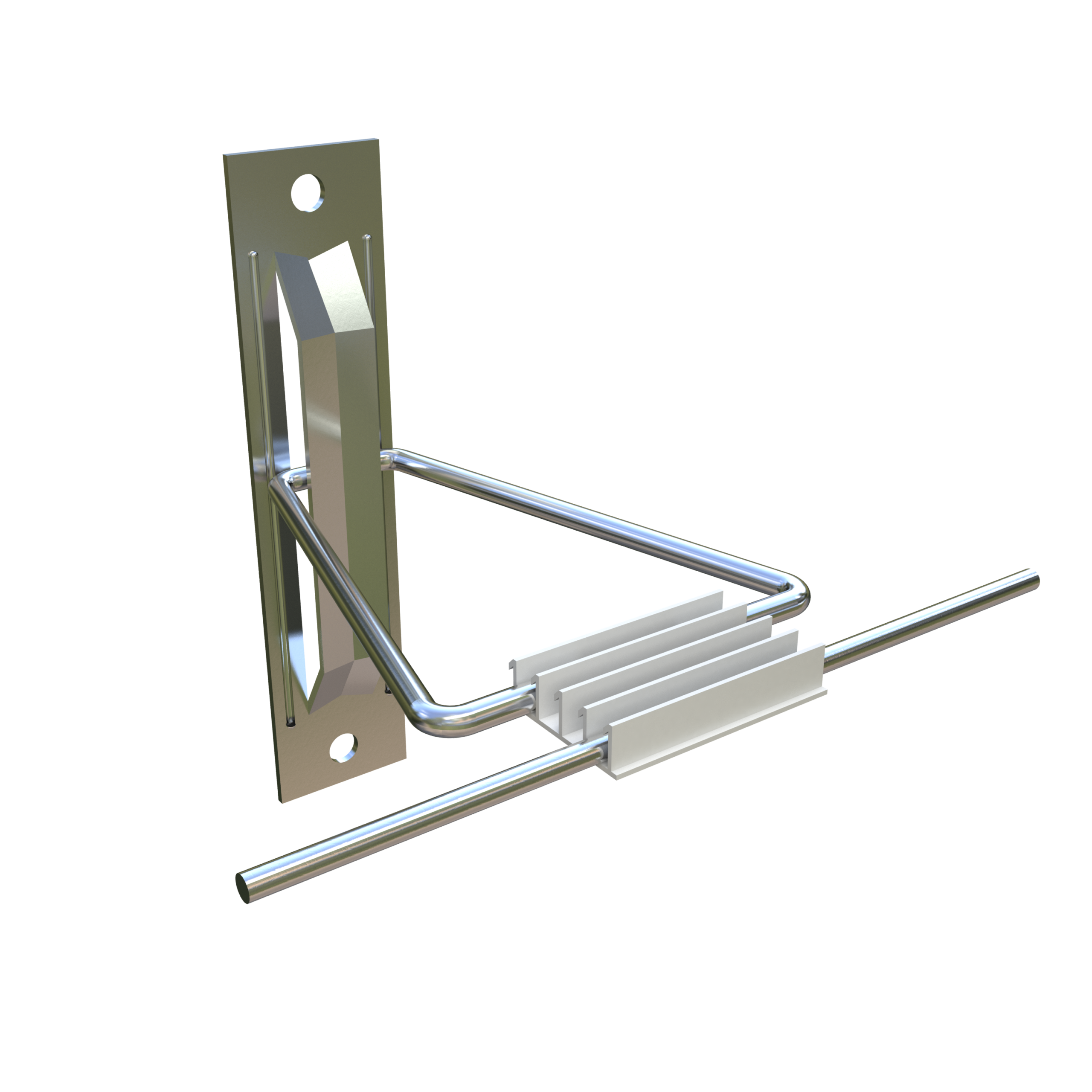
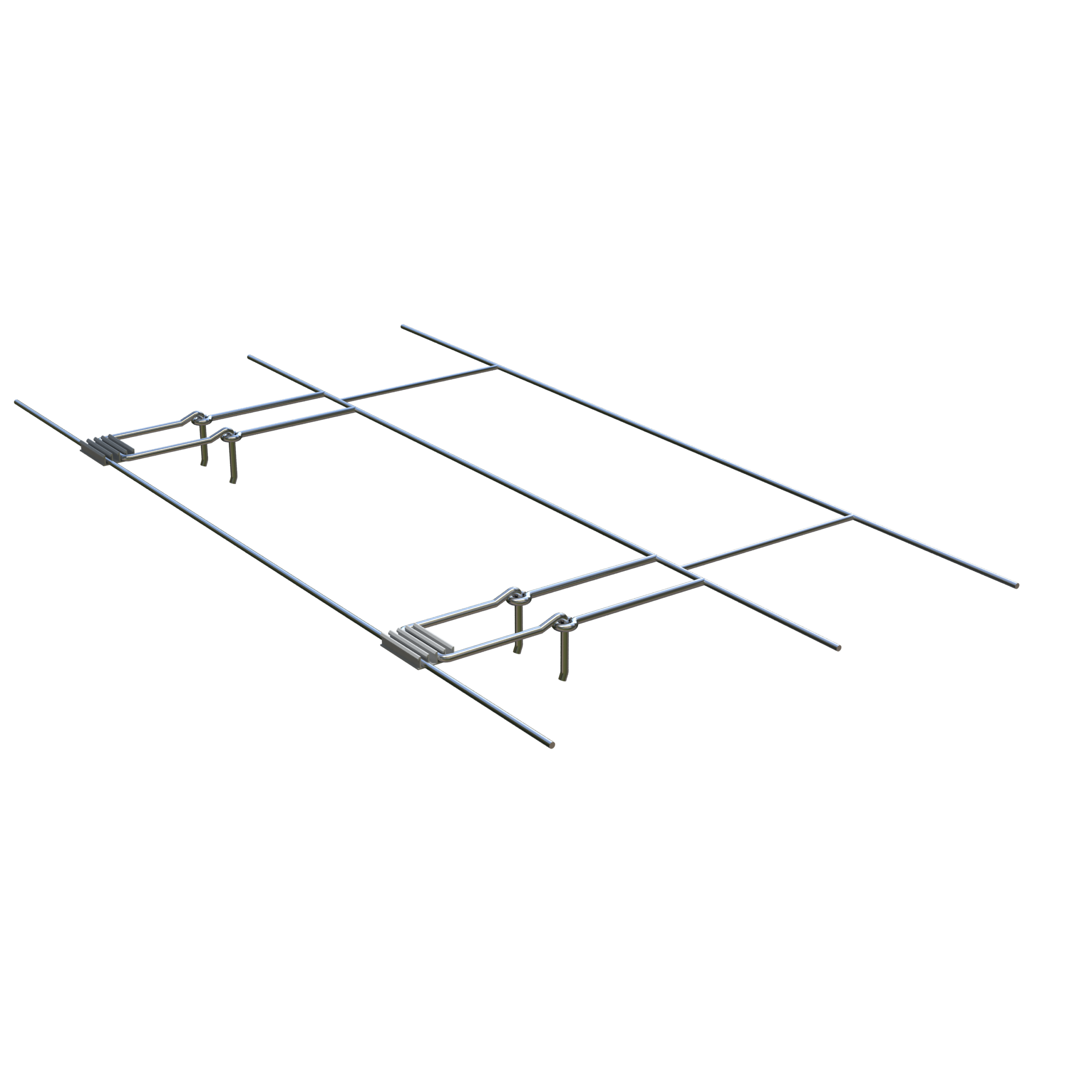
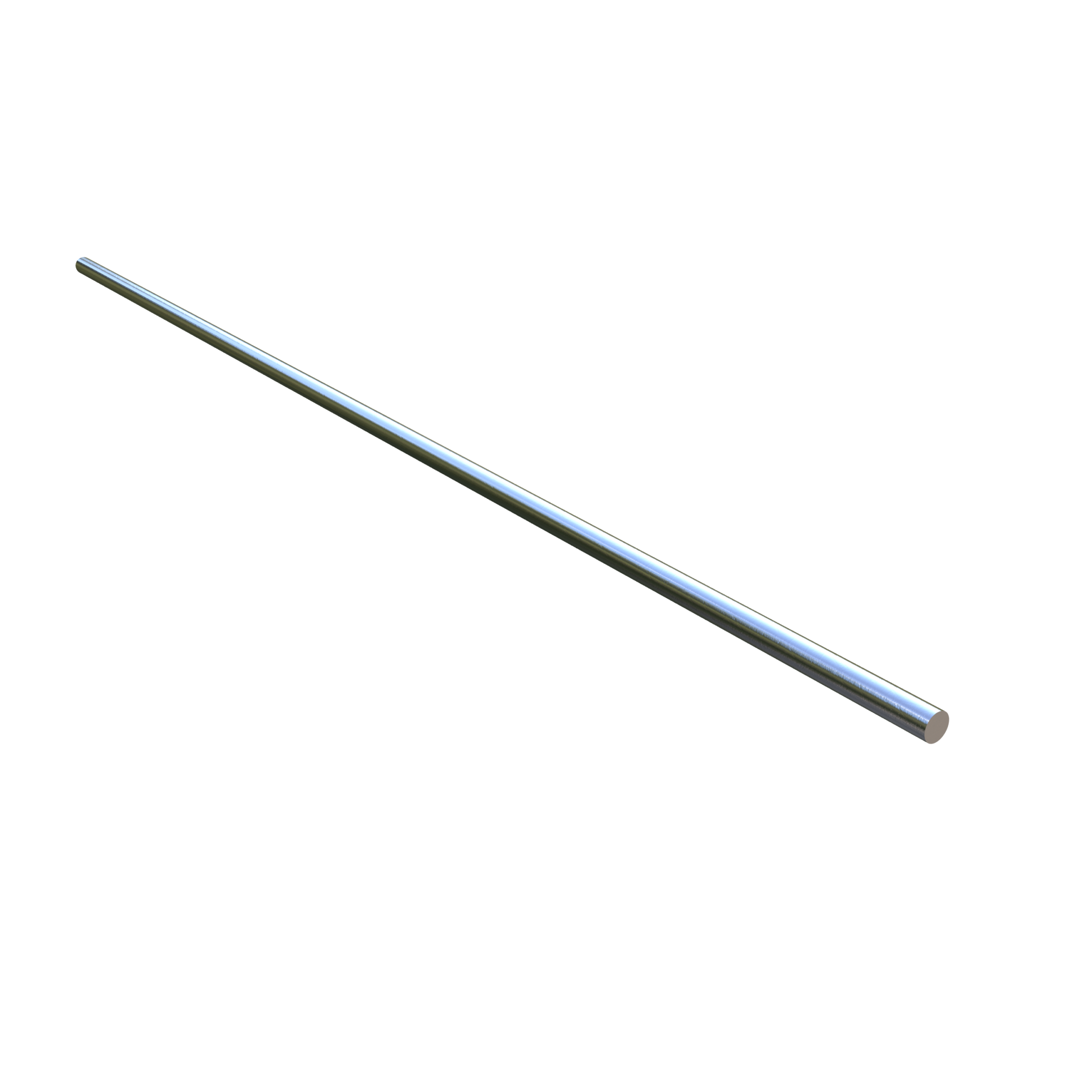
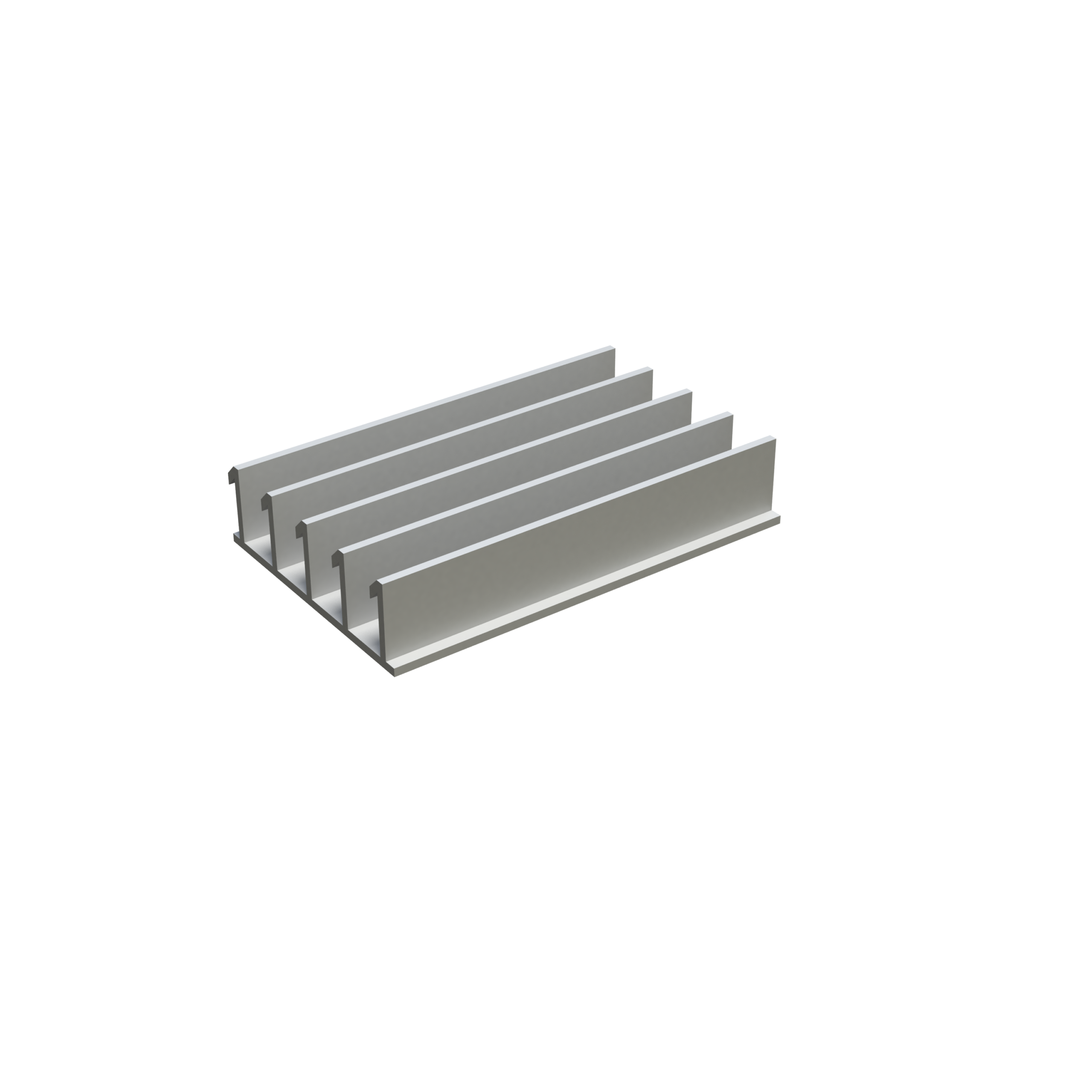
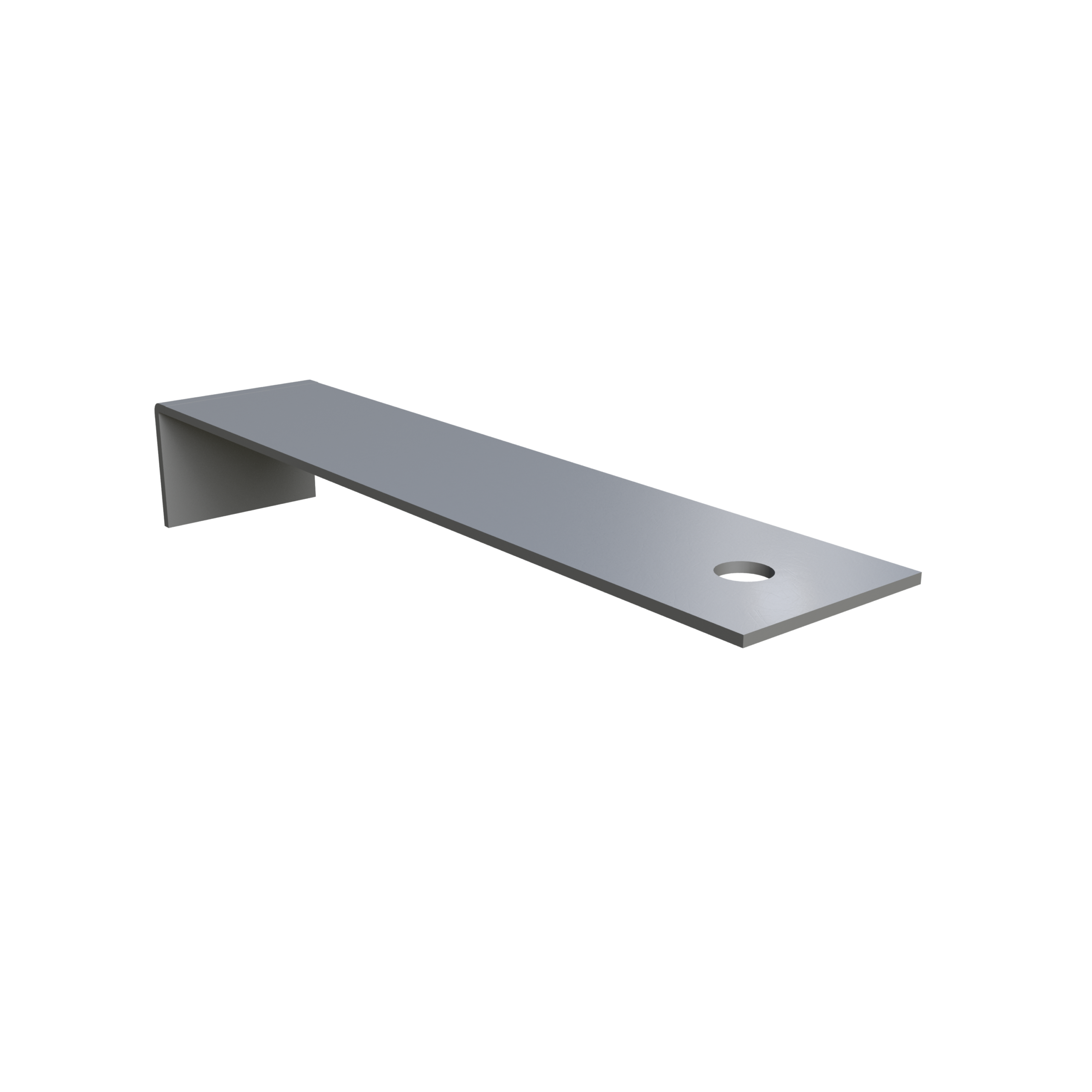
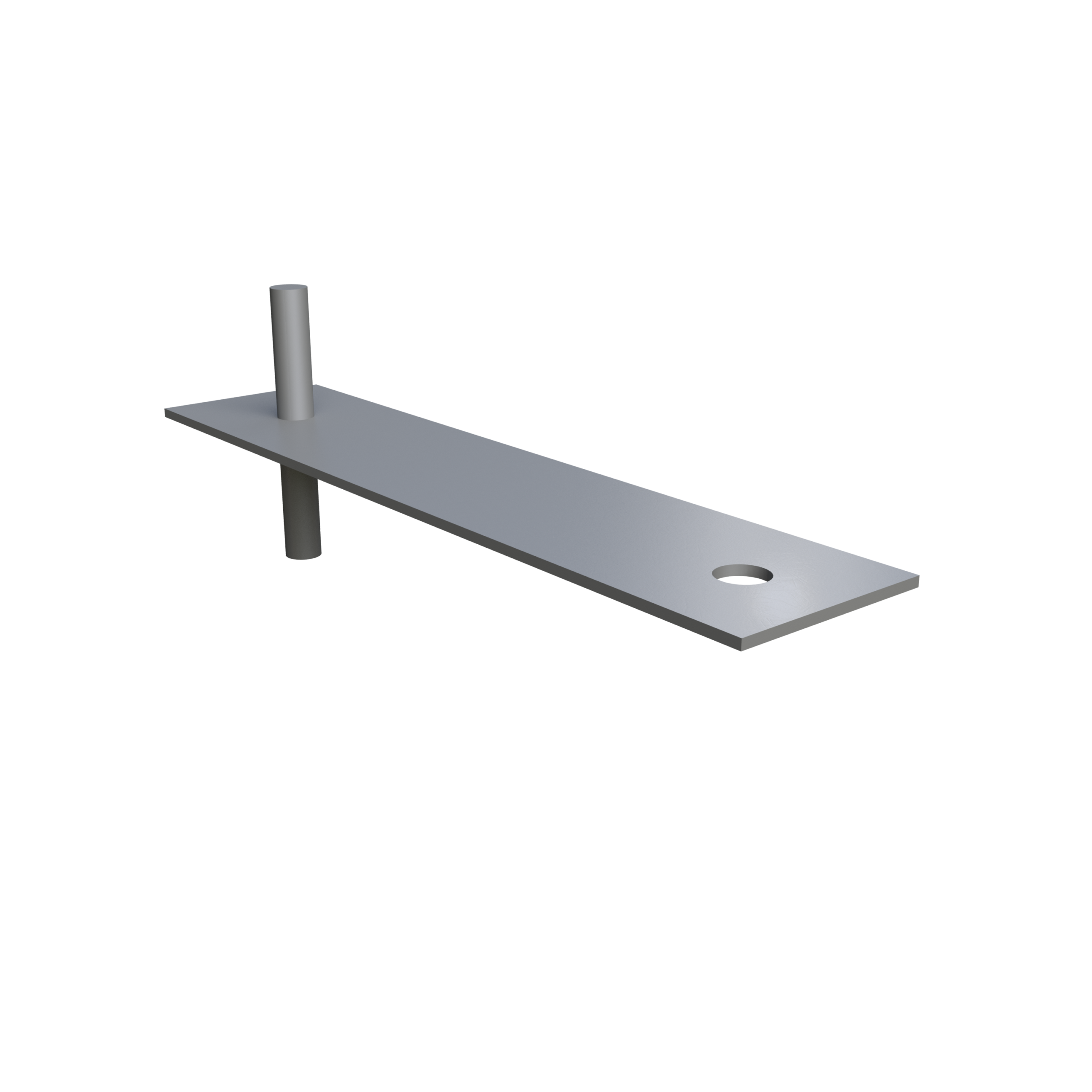
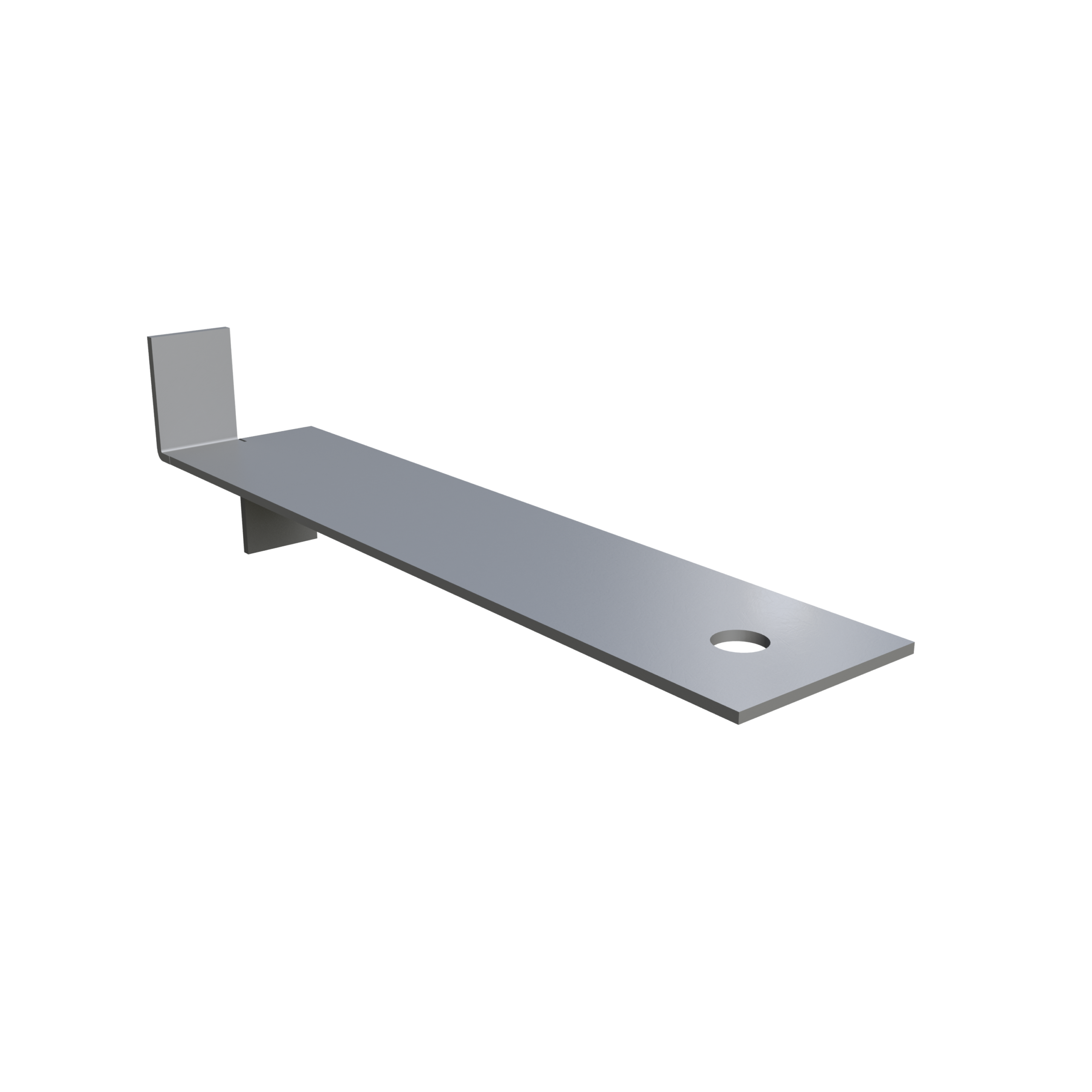
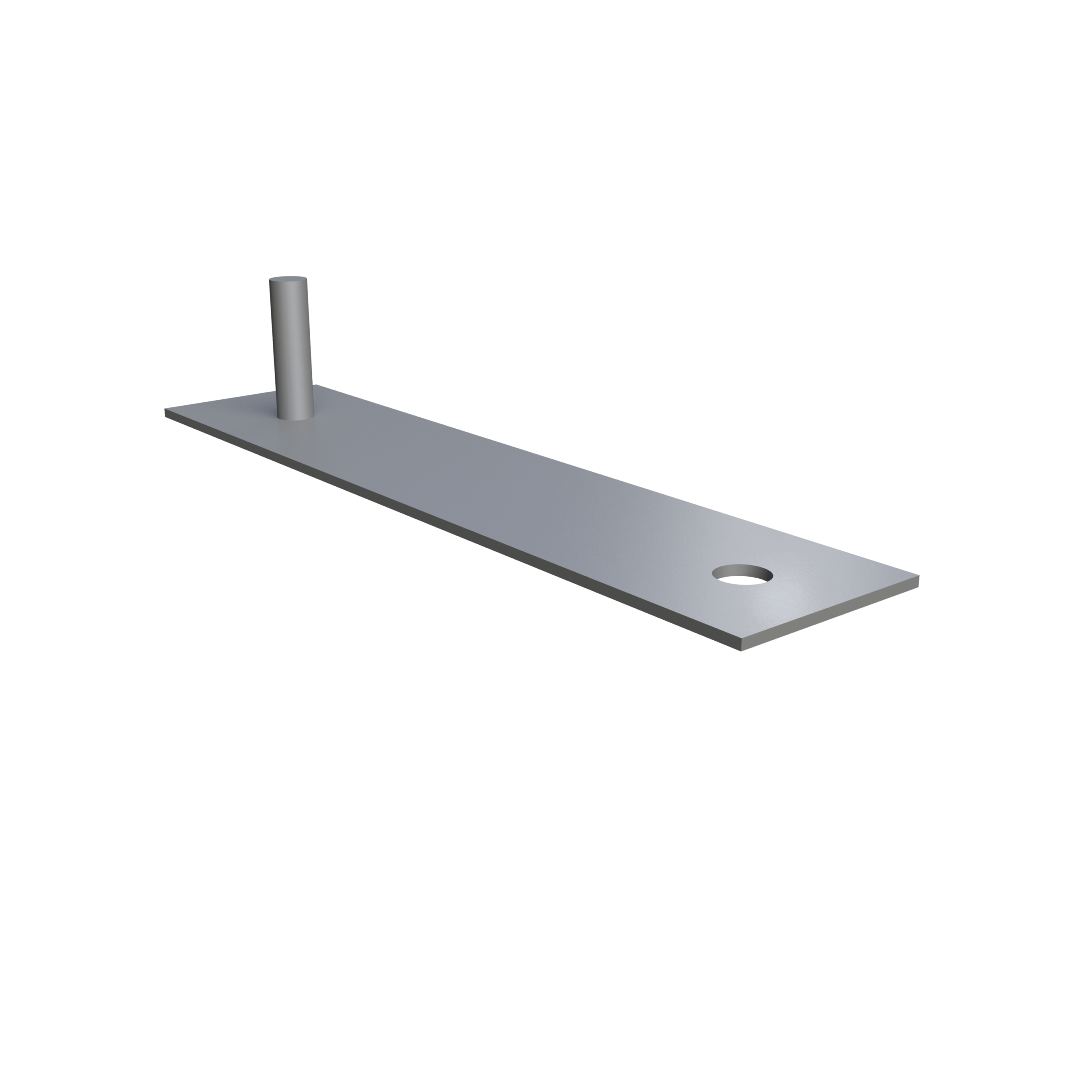
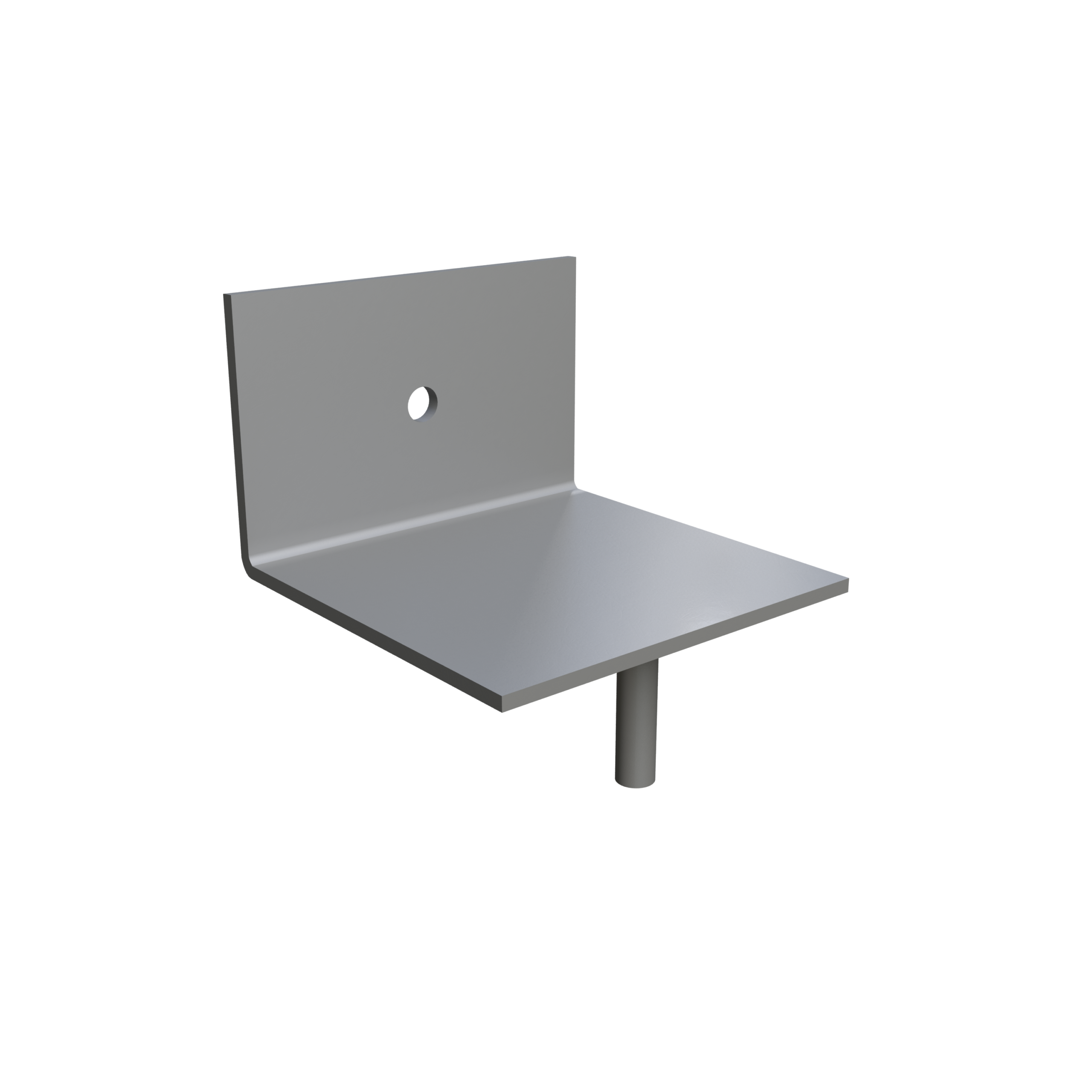
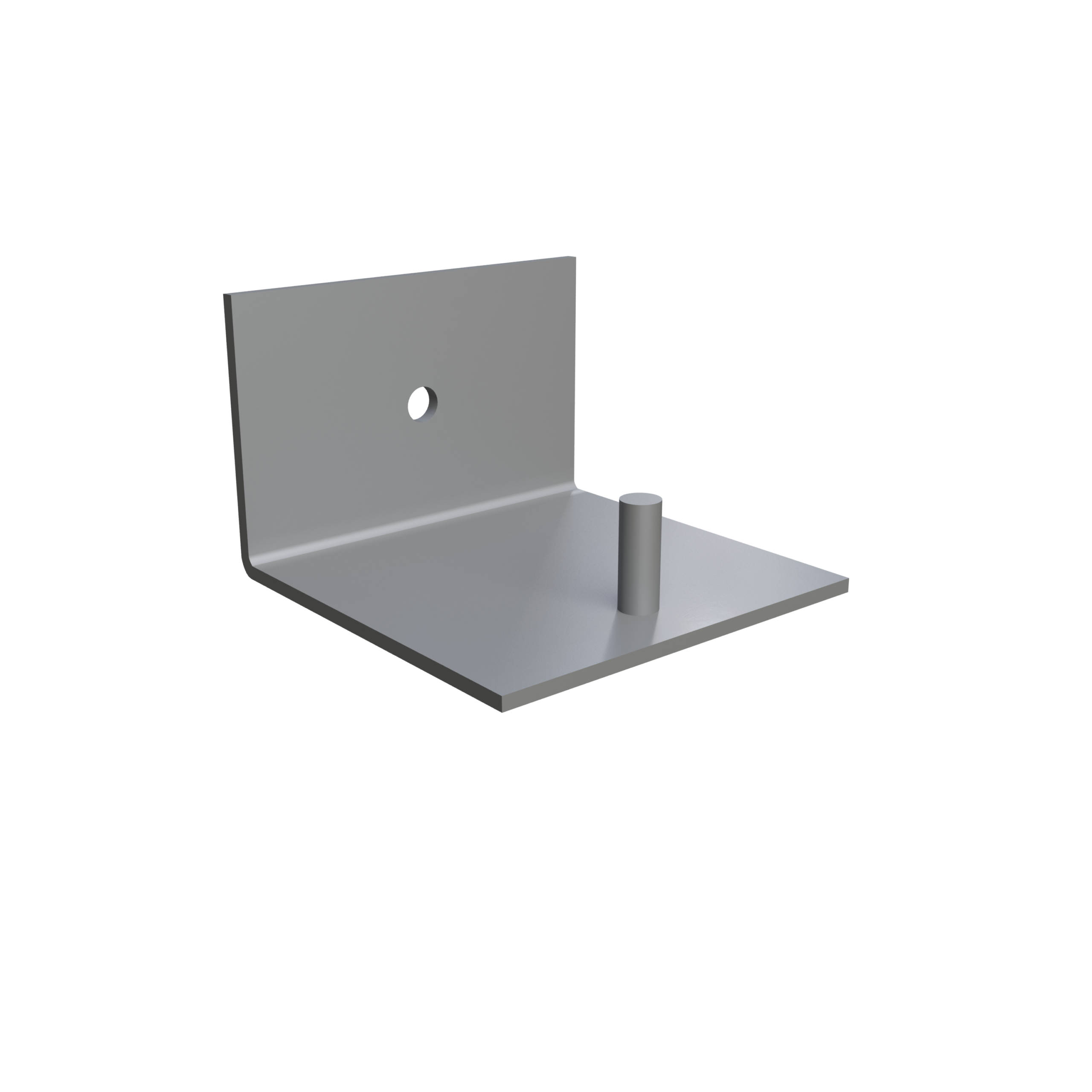
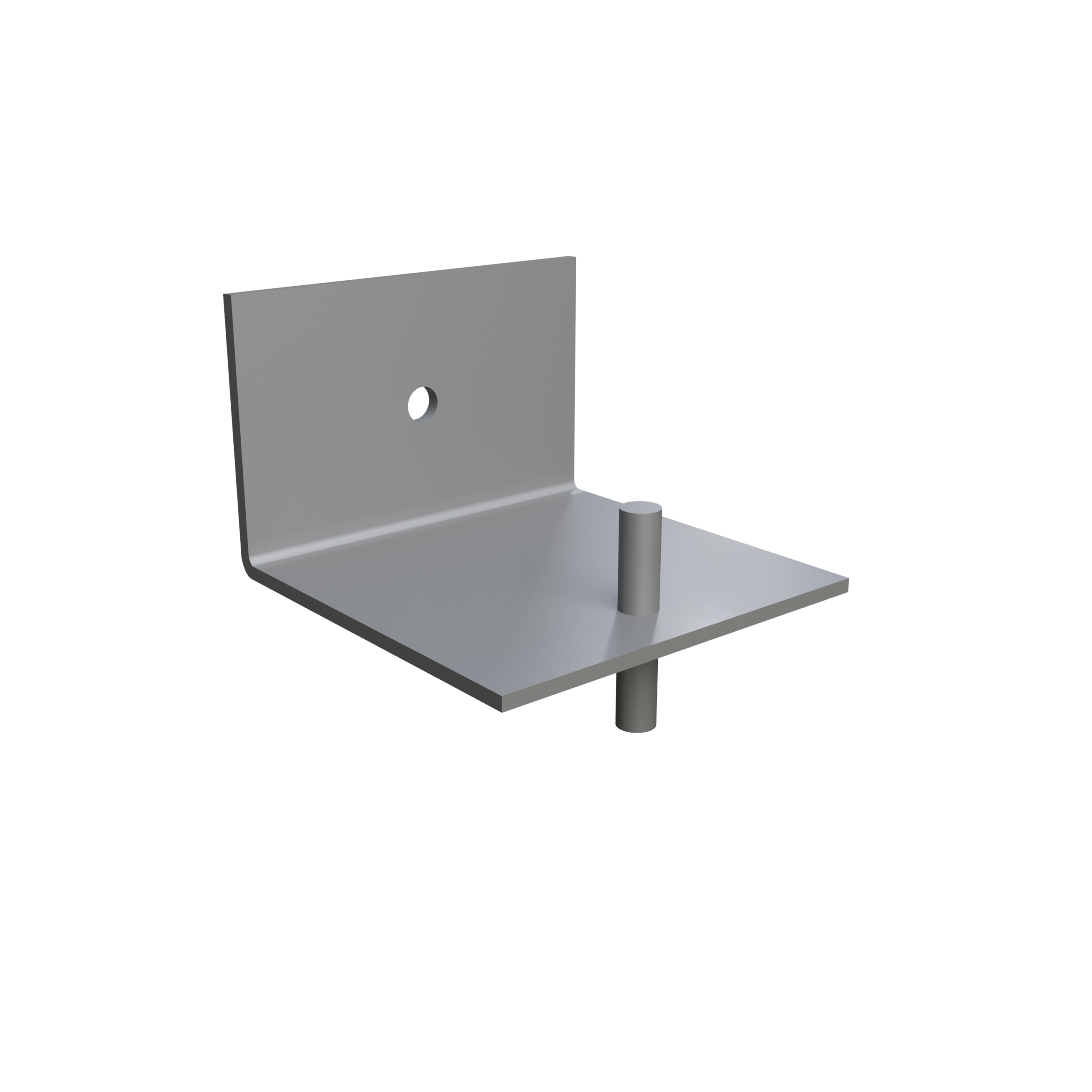
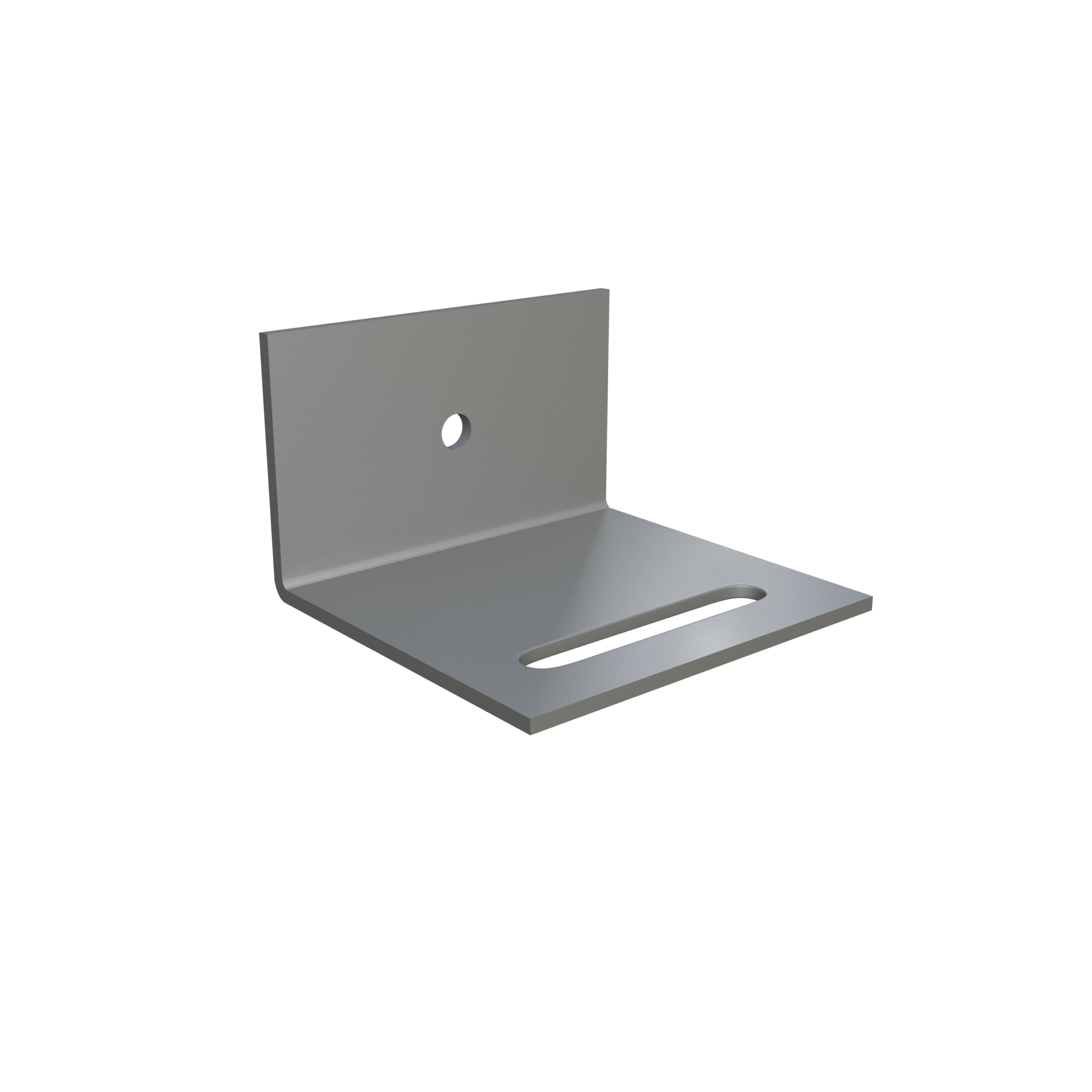
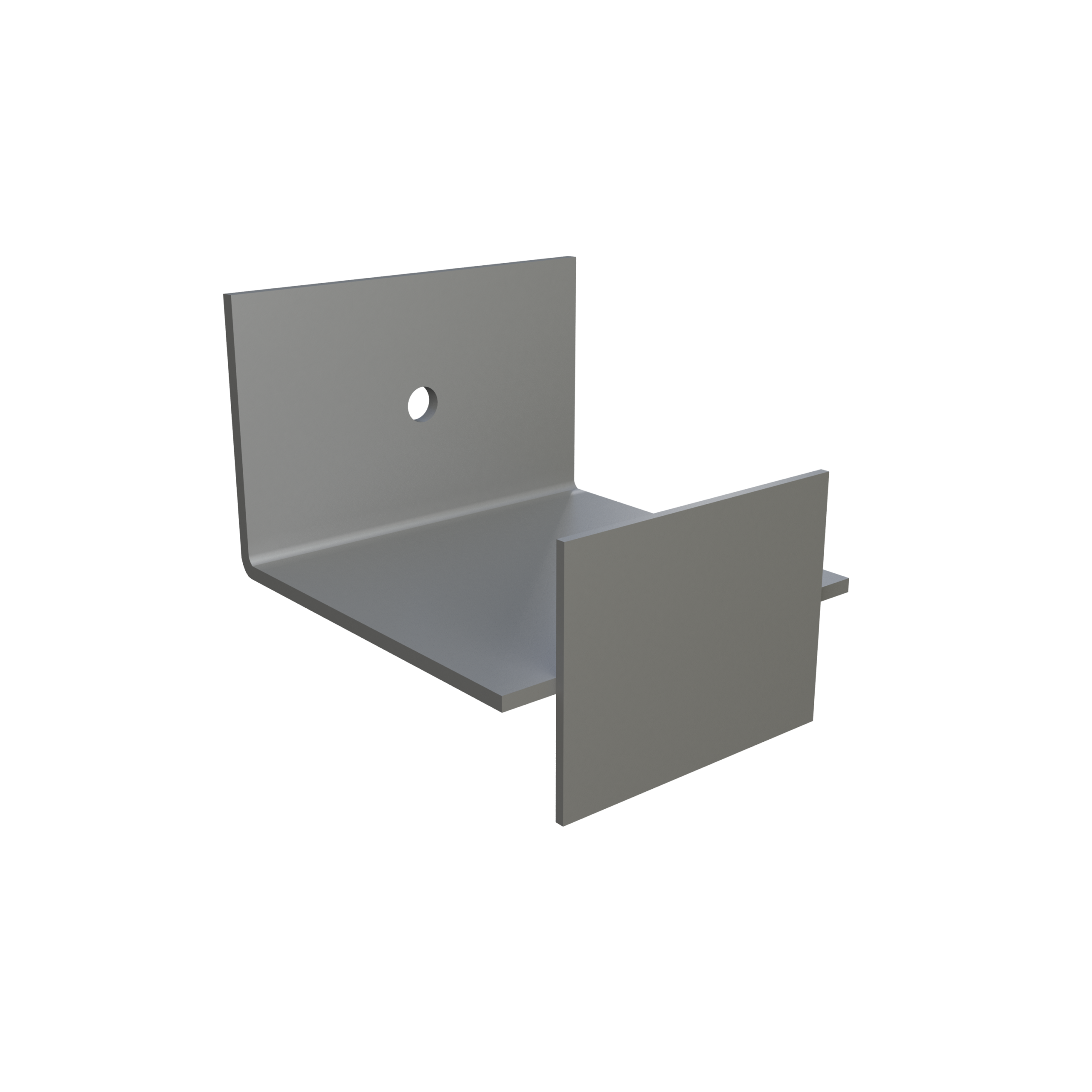
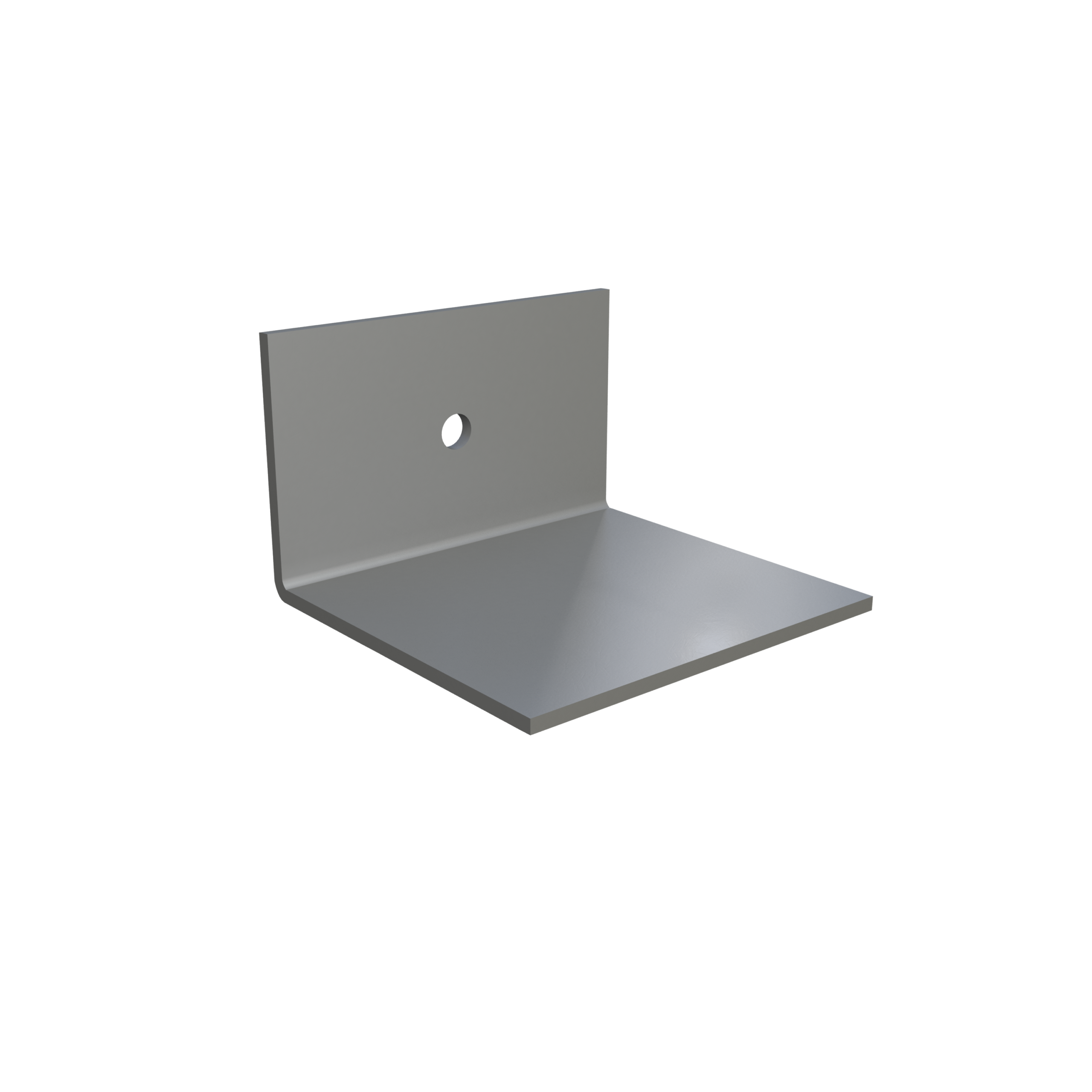
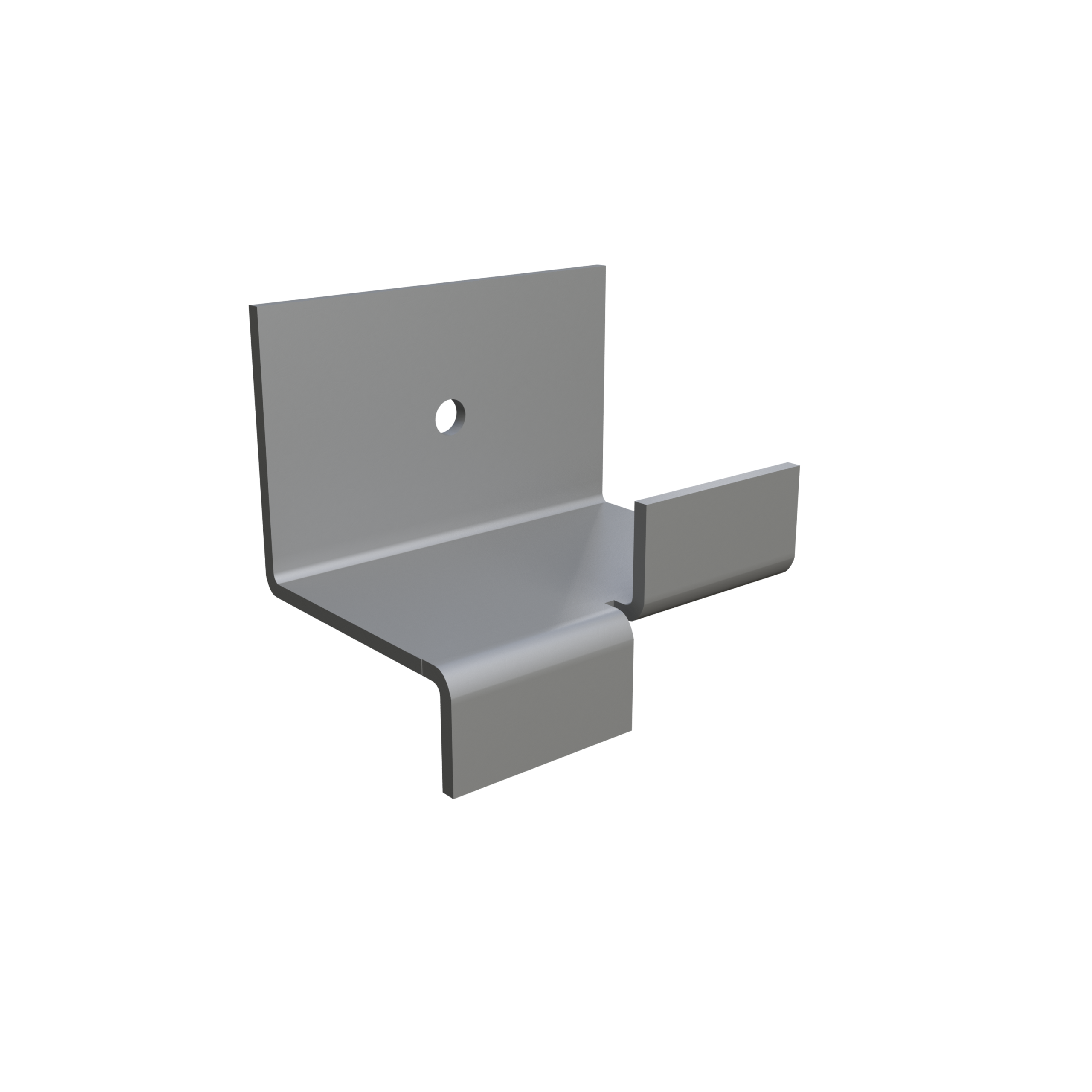
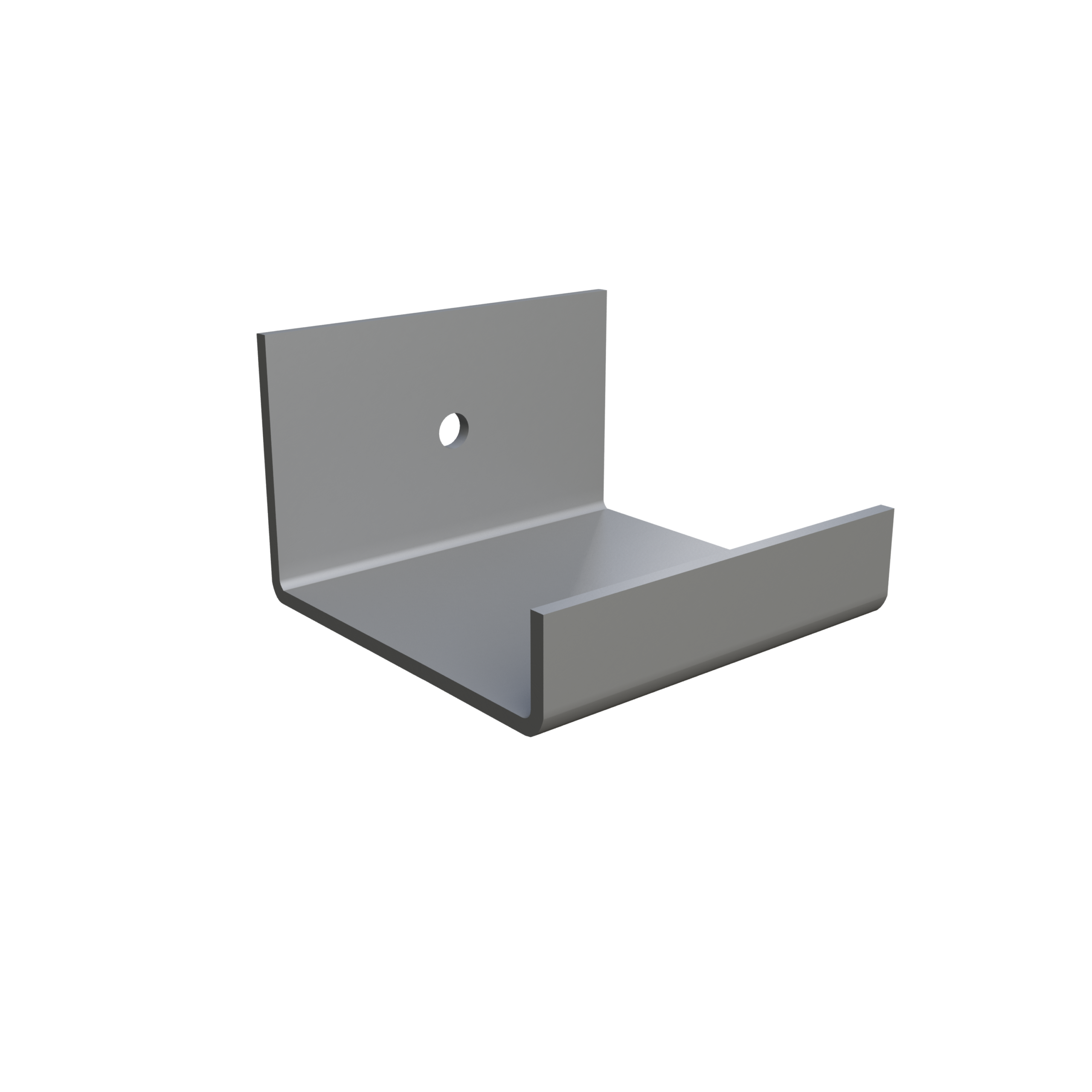
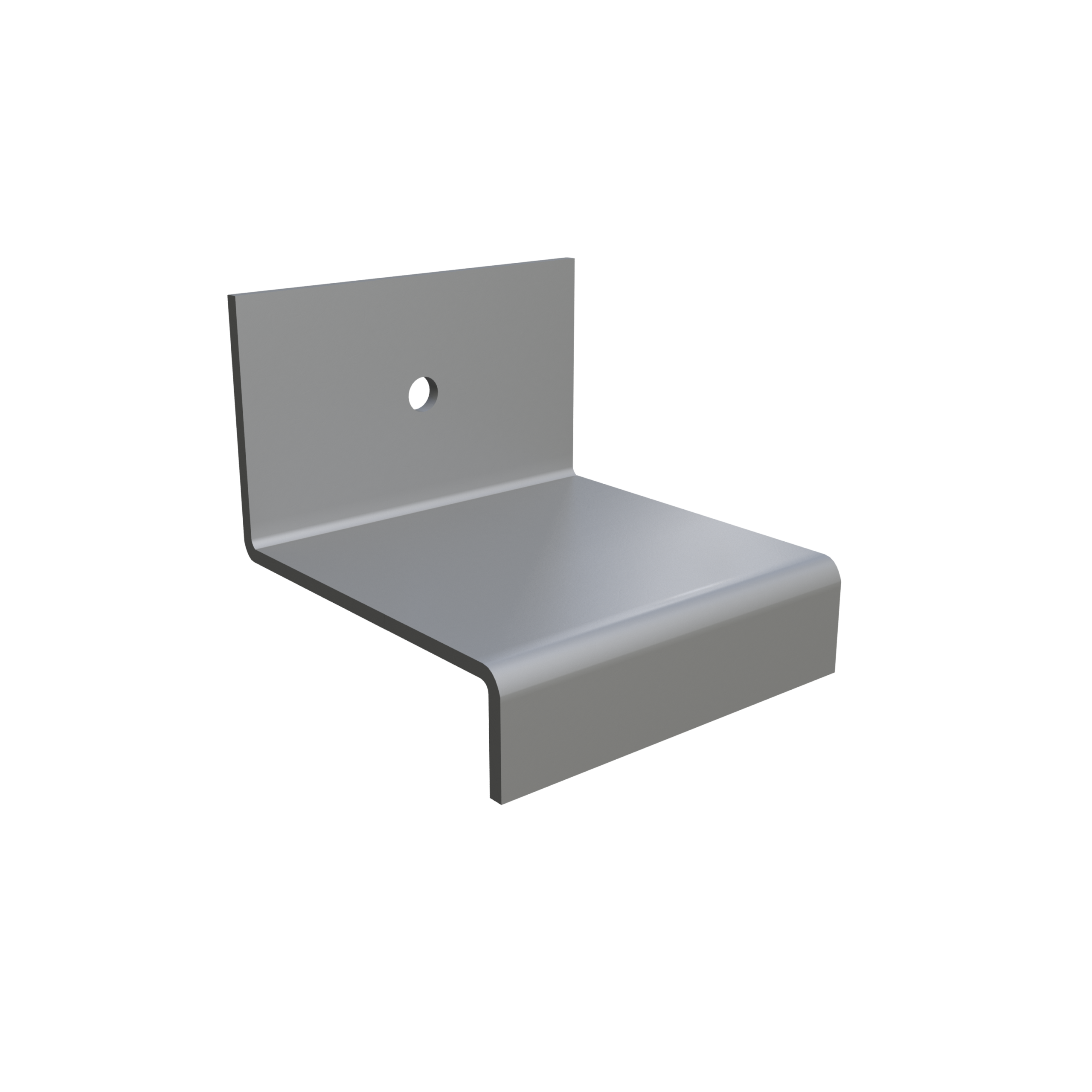
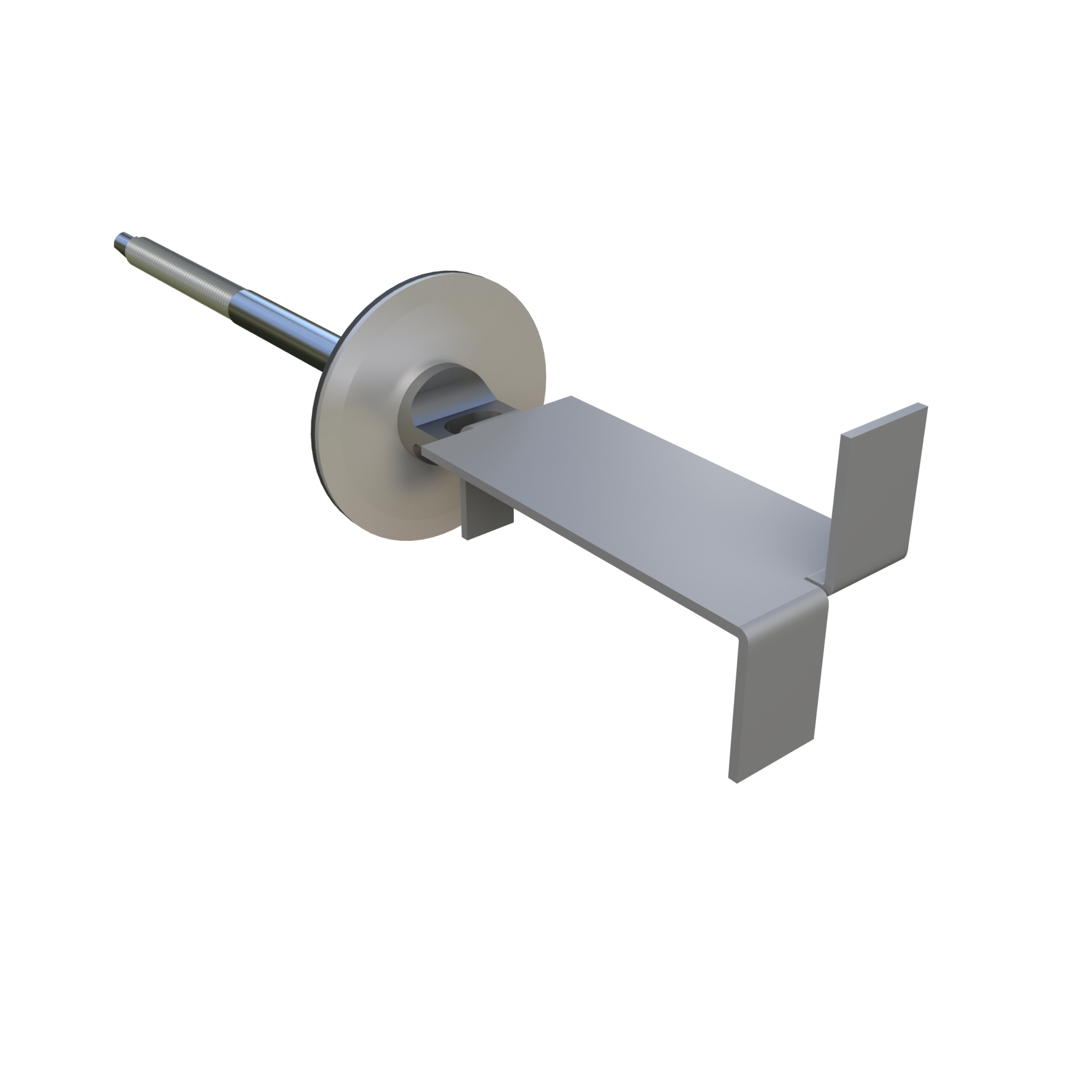
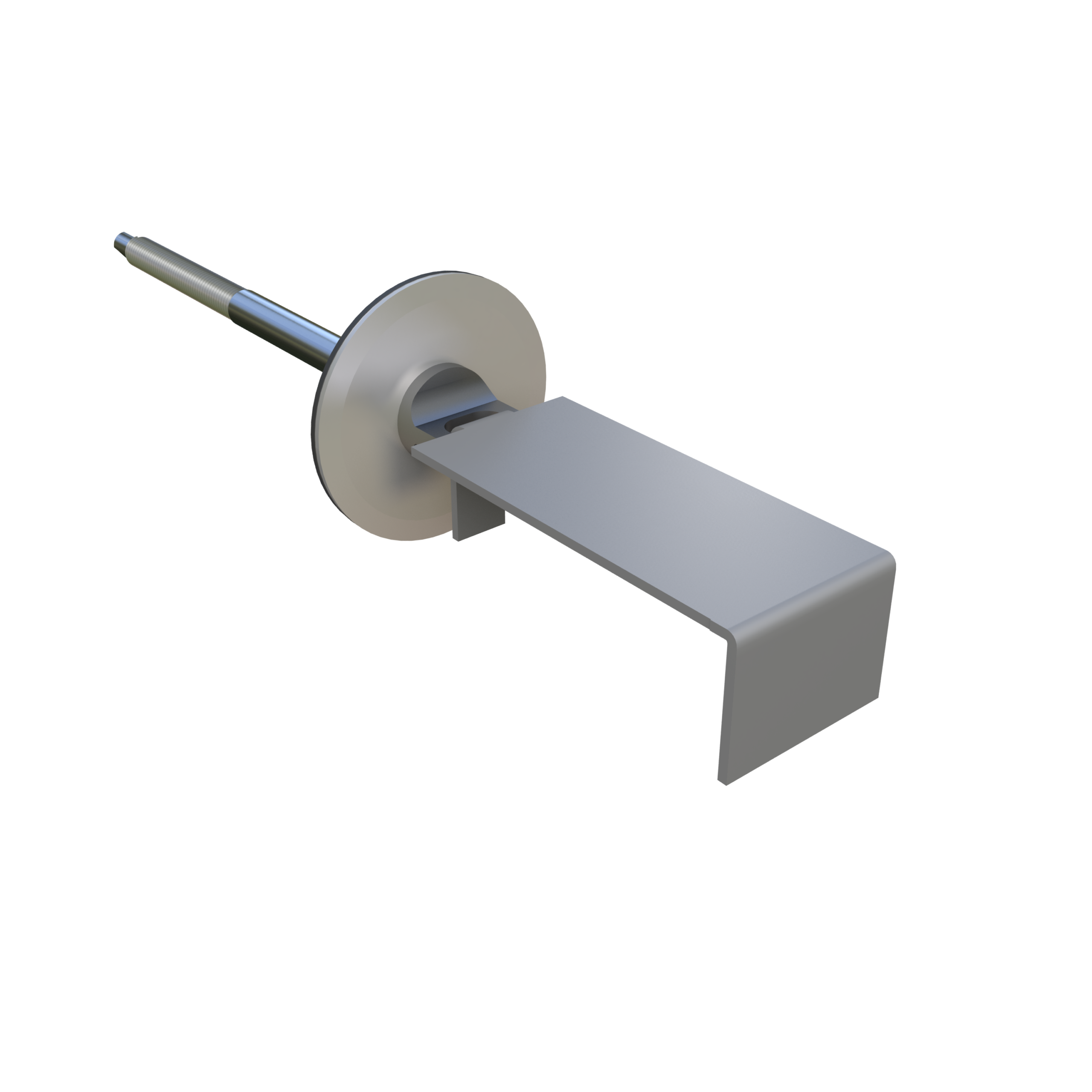
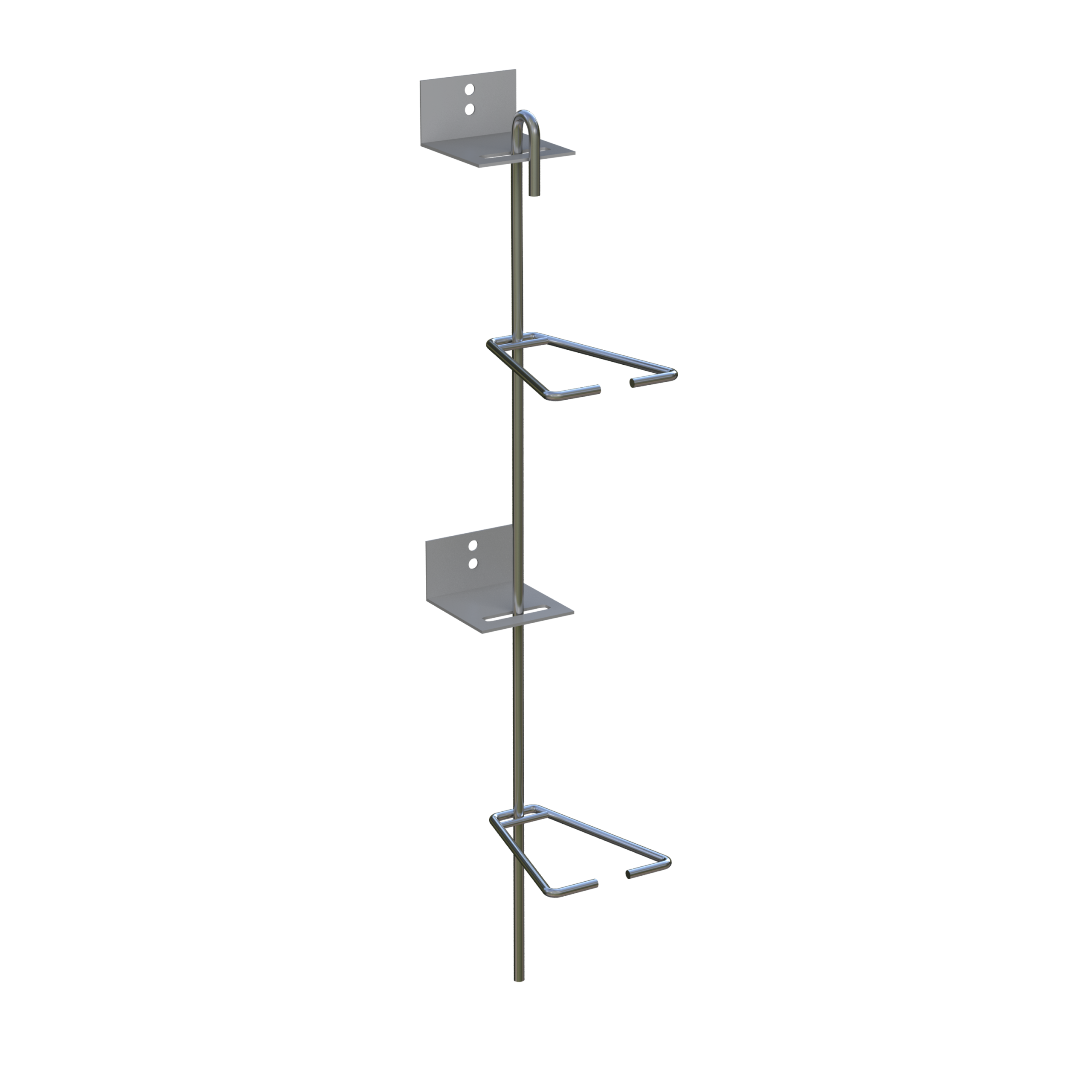
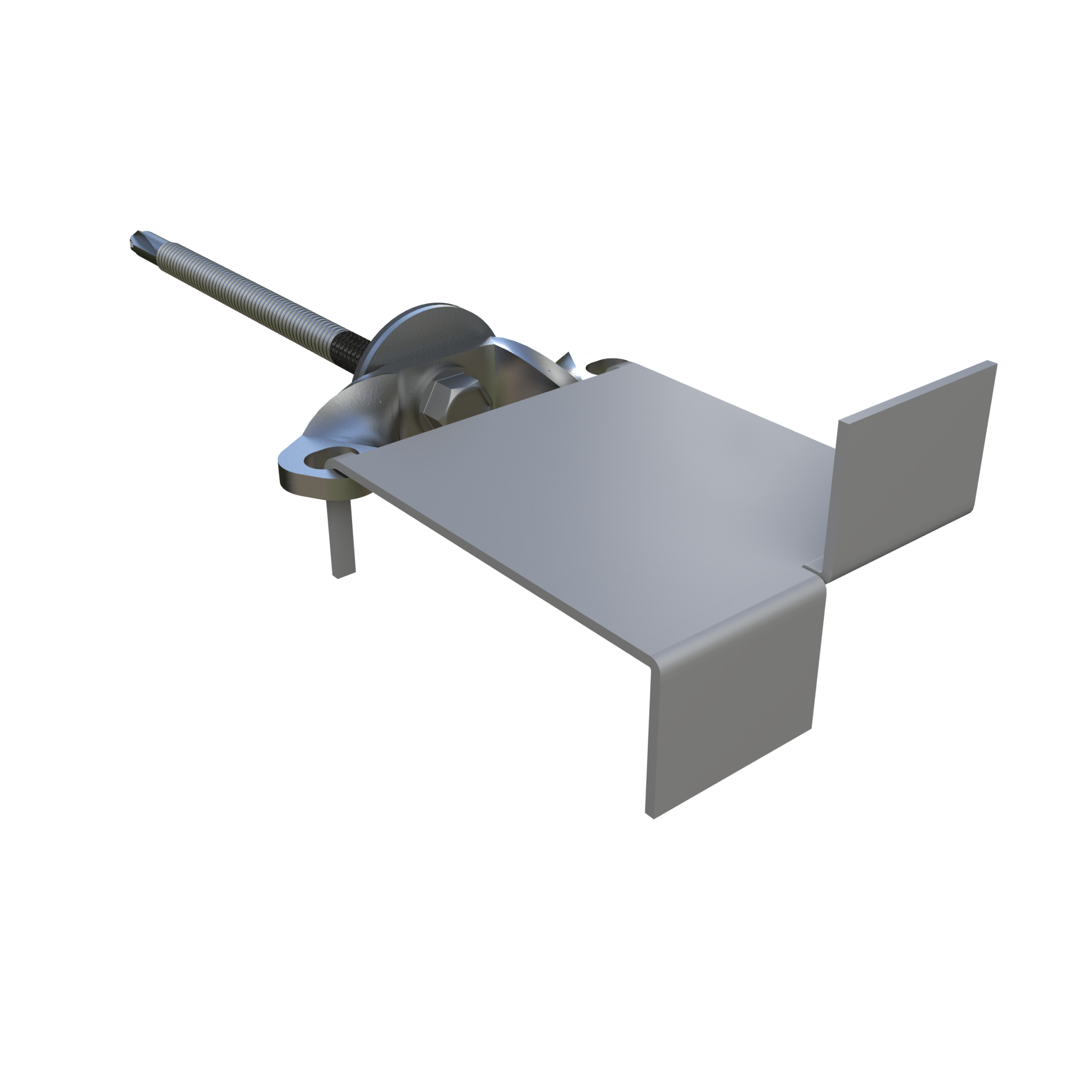
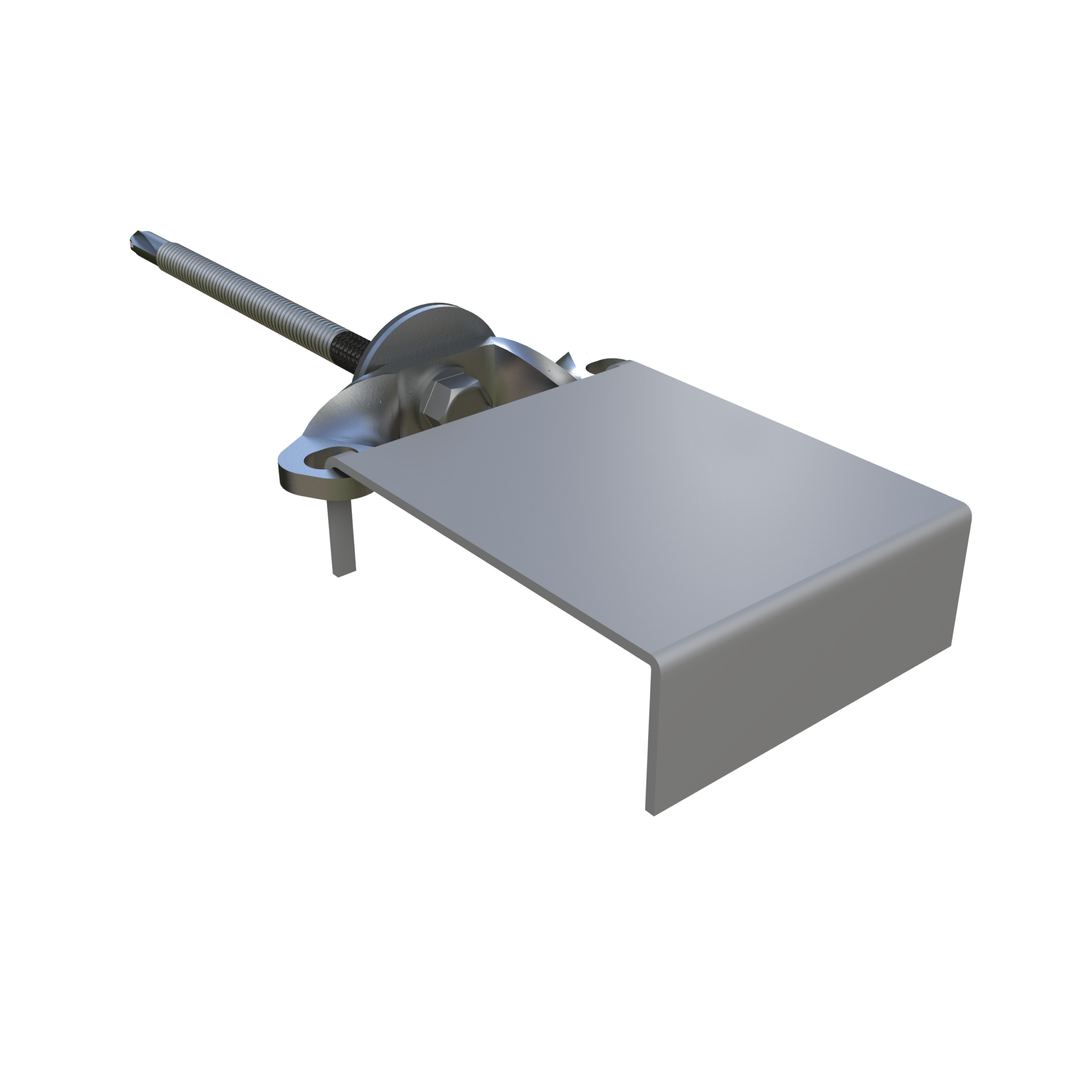
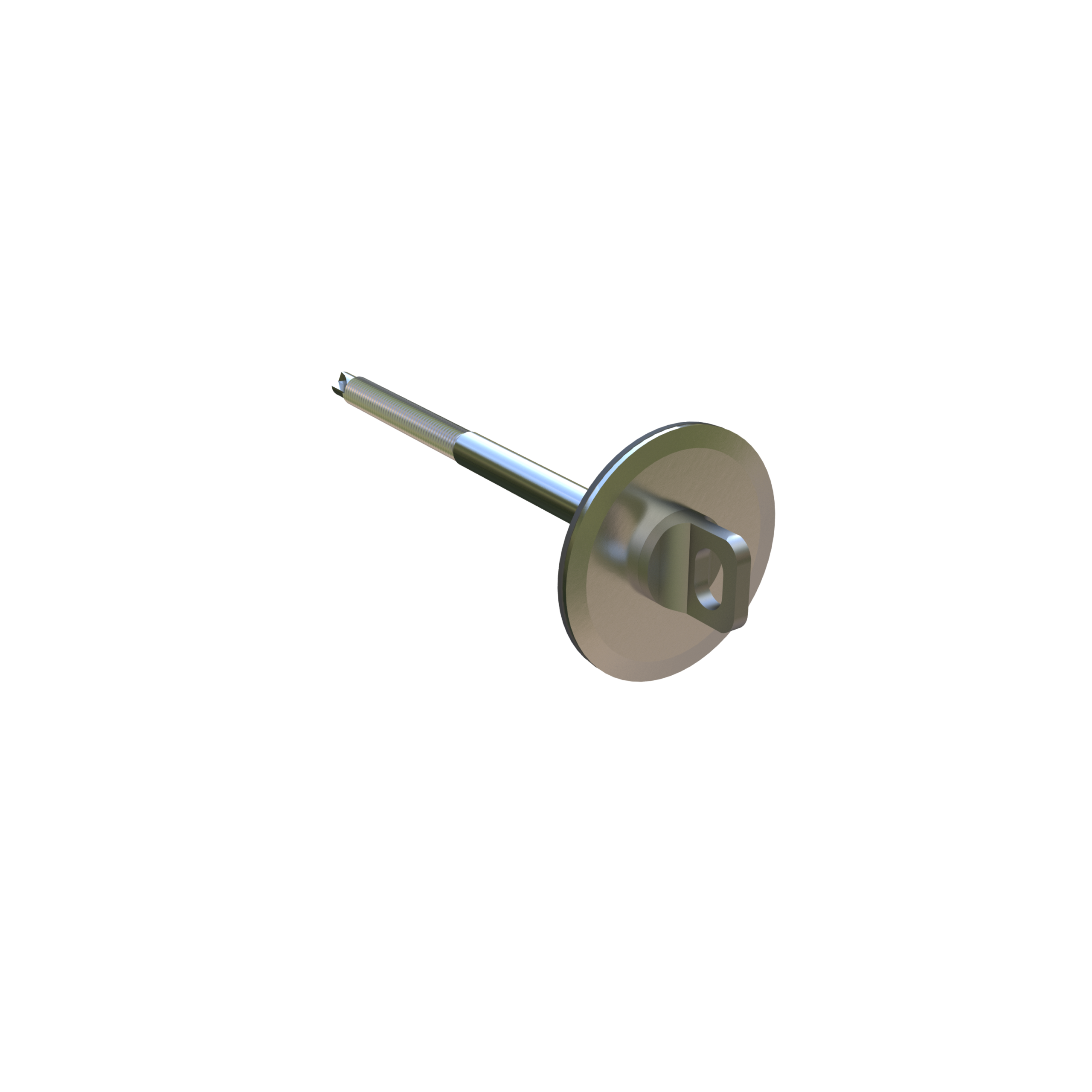
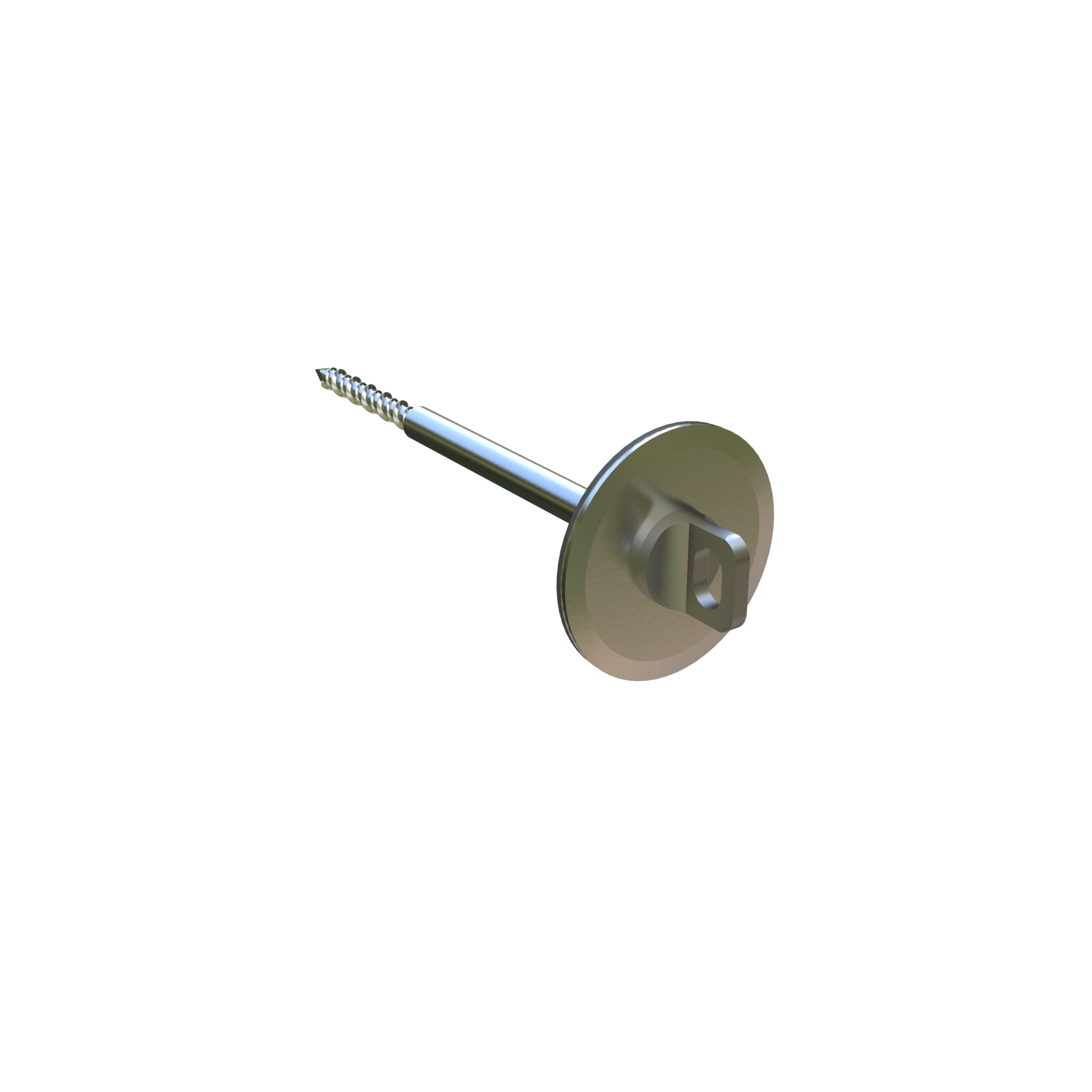
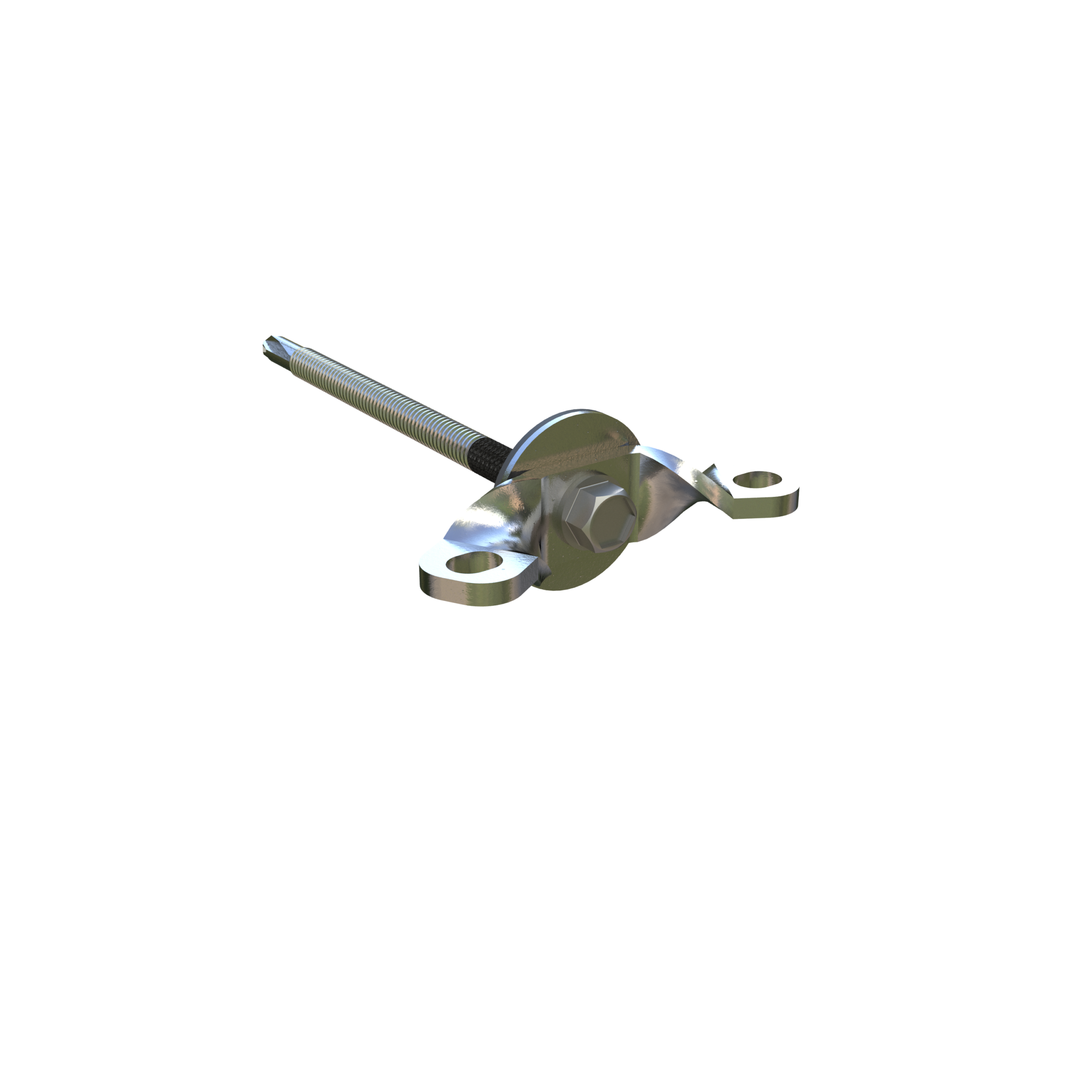
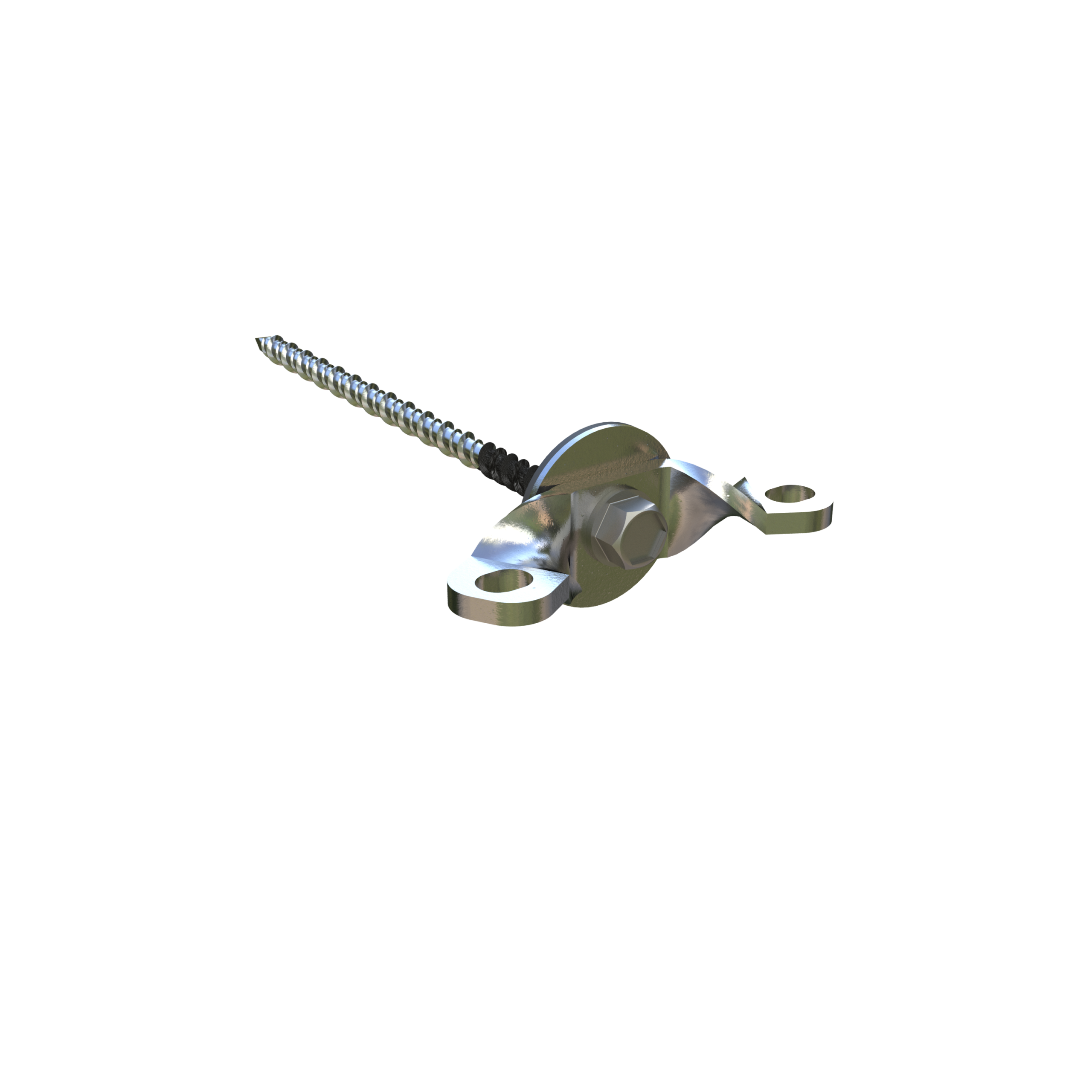
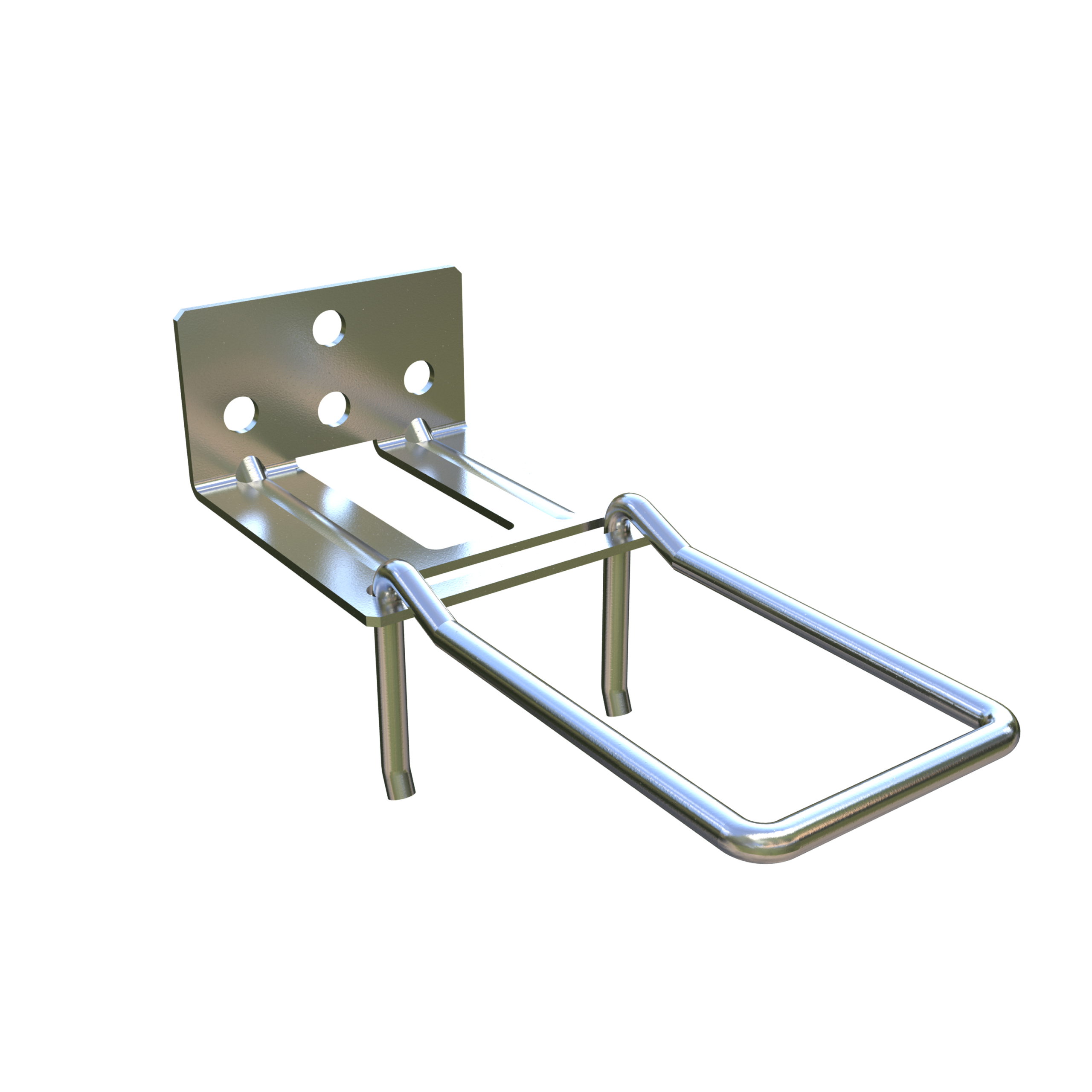
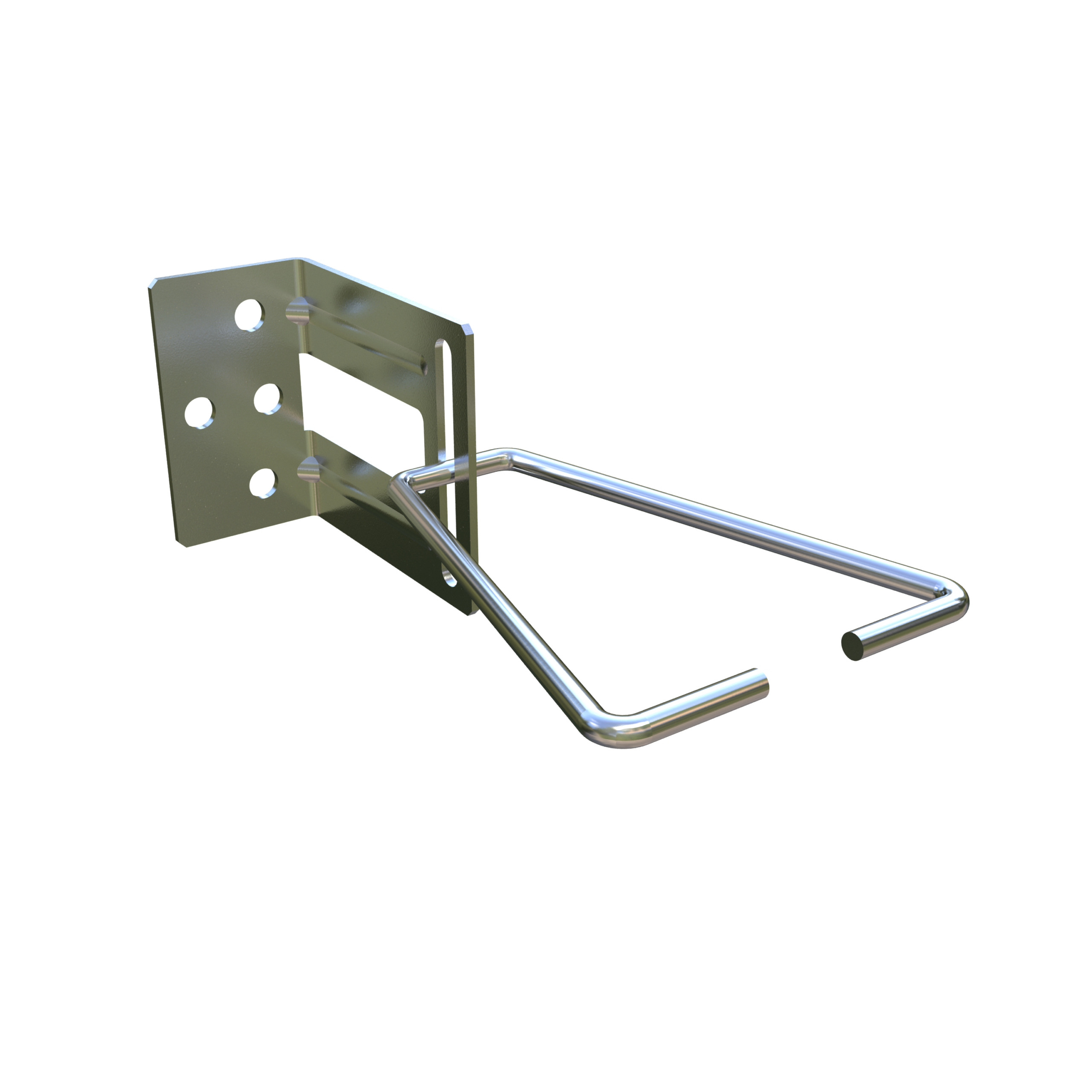
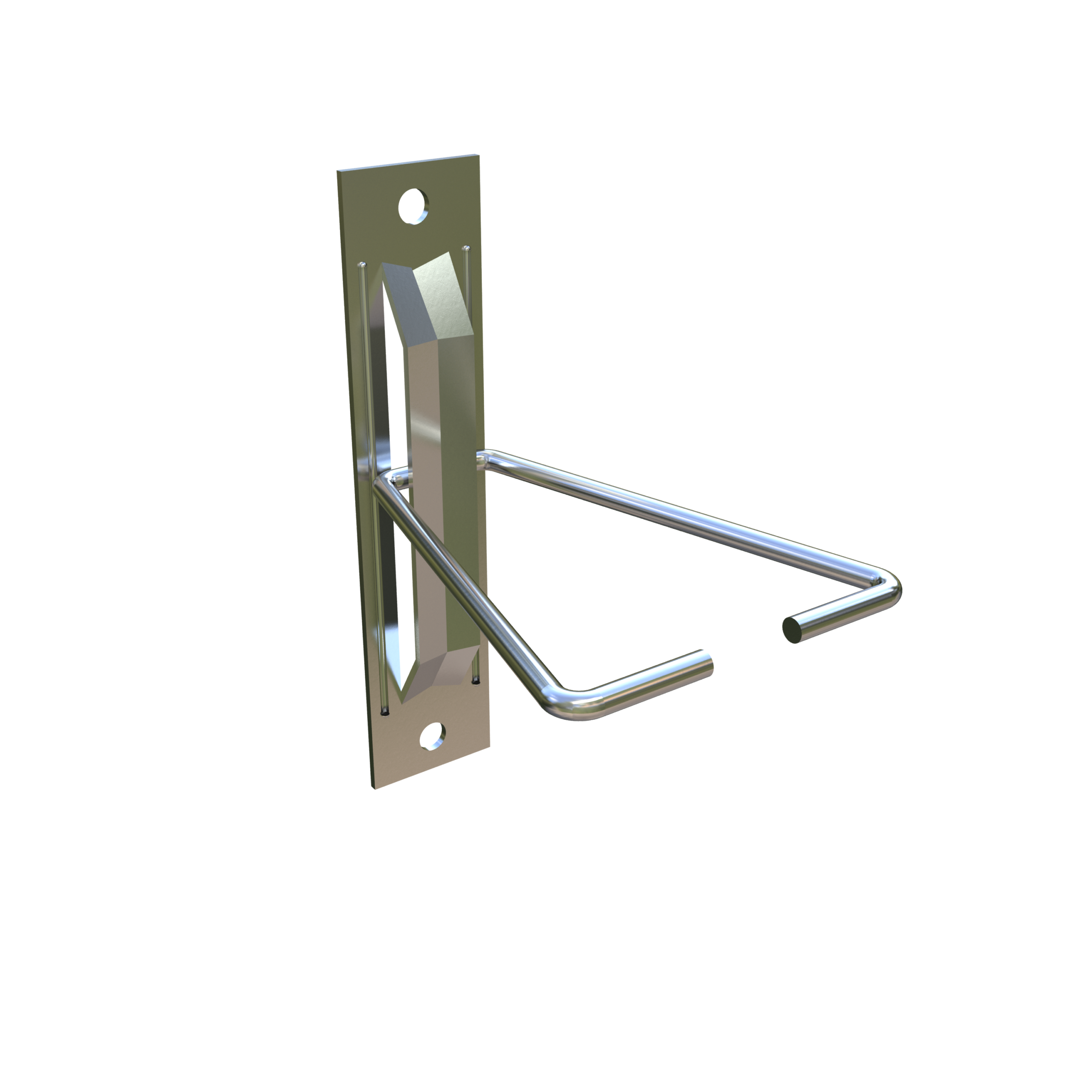

Masonry anchors are essential components in construction, designed to securely attach brick, stone, or concrete veneers to a building’s structural framework. Whether you’re working with wood studs, metal studs, concrete blocks, or solid concrete, choosing the right masonry anchors is critical for ensuring the stability, safety, and durability of exterior walls. This guide focuses on understanding masonry anchors, exploring the types of masonry veneer anchors available, and helping you select the best anchor for brick veneer applications.
What Are Masonry Anchors and Why They Matter
Masonry anchors are connectors that attach masonry veneers—such as brick, stone, or concrete blocks—to a building’s structural backup, including wood or metal studs, CMU, or concrete. These anchors form part of a system that includes anchors and fasteners working together to maintain wall stability.
Masonry anchors provide strong connections by expanding, gripping, or friction-fitting into pre-drilled holes in masonry materials that cannot hold standard screws, such as brick and concrete. Properly designed and installed masonry anchors transfer loads like wind, seismic forces, and veneer weight from the veneer to the structure, preventing cracking, movement, water leaks, and facade failure.
Code Requirements: TMS 402/602 and the IBC
Masonry anchors and ties must comply with standards set by:
- TMS 402 and TMS 602 from The Masonry Society
- The International Building Code (IBC), which references specific TMS editions
The applicable edition of the IBC (2015, 2018, 2021, or 2024) in your jurisdiction determines the required TMS standards. Designers must confirm the adopted codes, local amendments, and any special requirements for seismic or high-wind zones.
Key code requirements include permitted anchor types, material standards, minimum wire diameters and sheet thicknesses, maximum spacing, and embedment depths (usually about 1 1/2 in. into mortar joints for solid units). Up-to-date specifications ensure masonry anchors meet performance and safety expectations.
Main Types of Masonry Veneer Anchors
Understanding the types of masonry veneer anchors is crucial for selecting the best anchor for brick veneer applications. Here are the primary types:
Wire Anchors
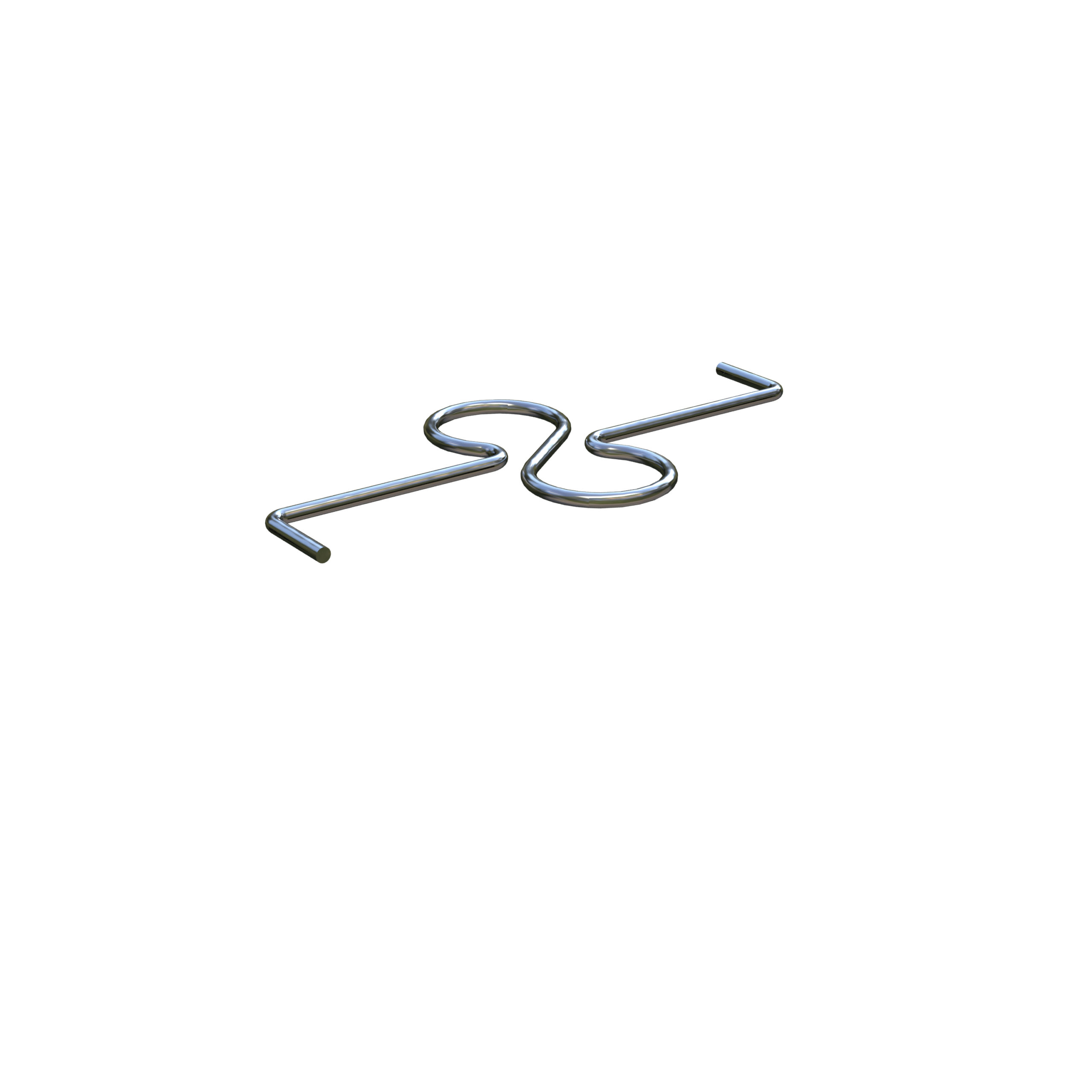
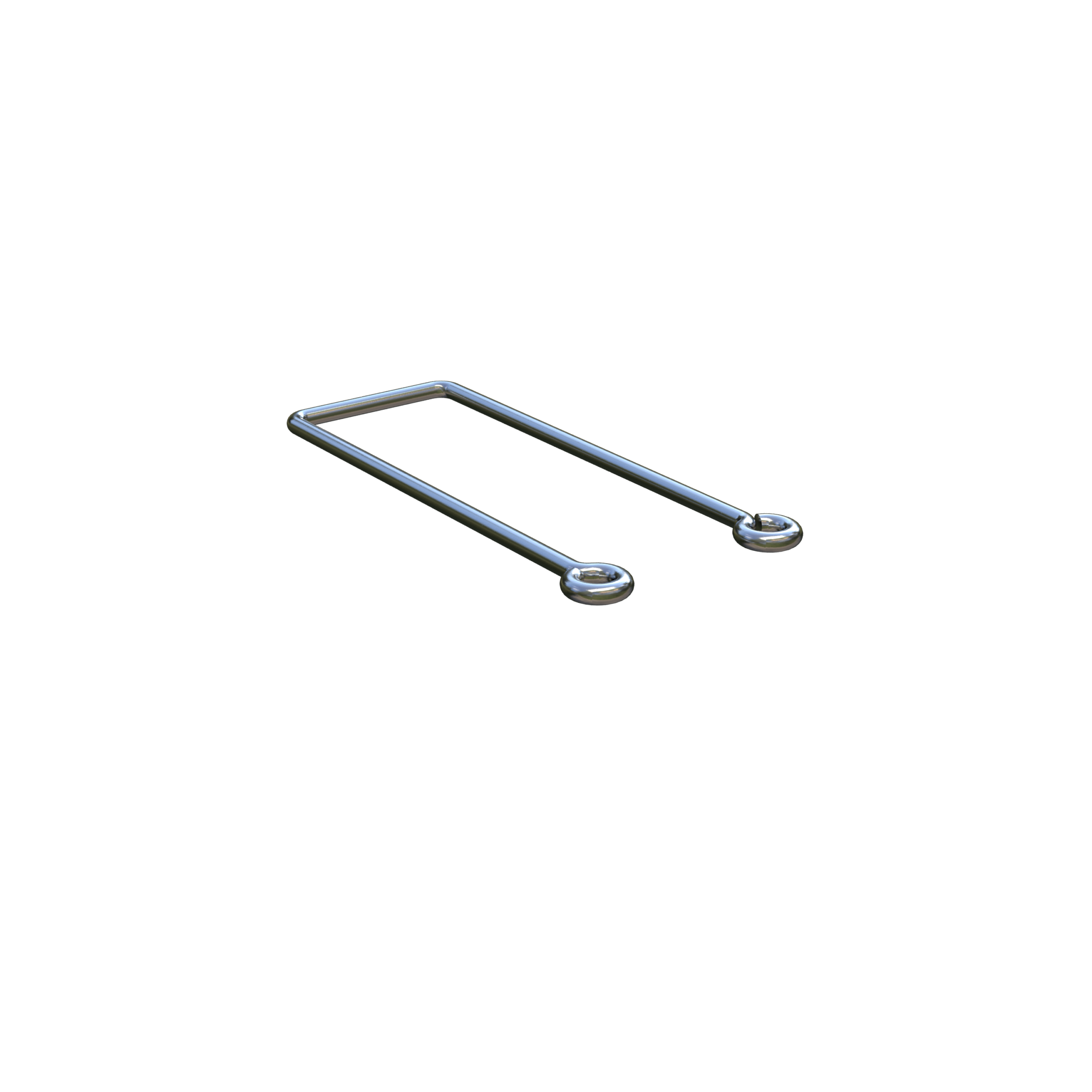
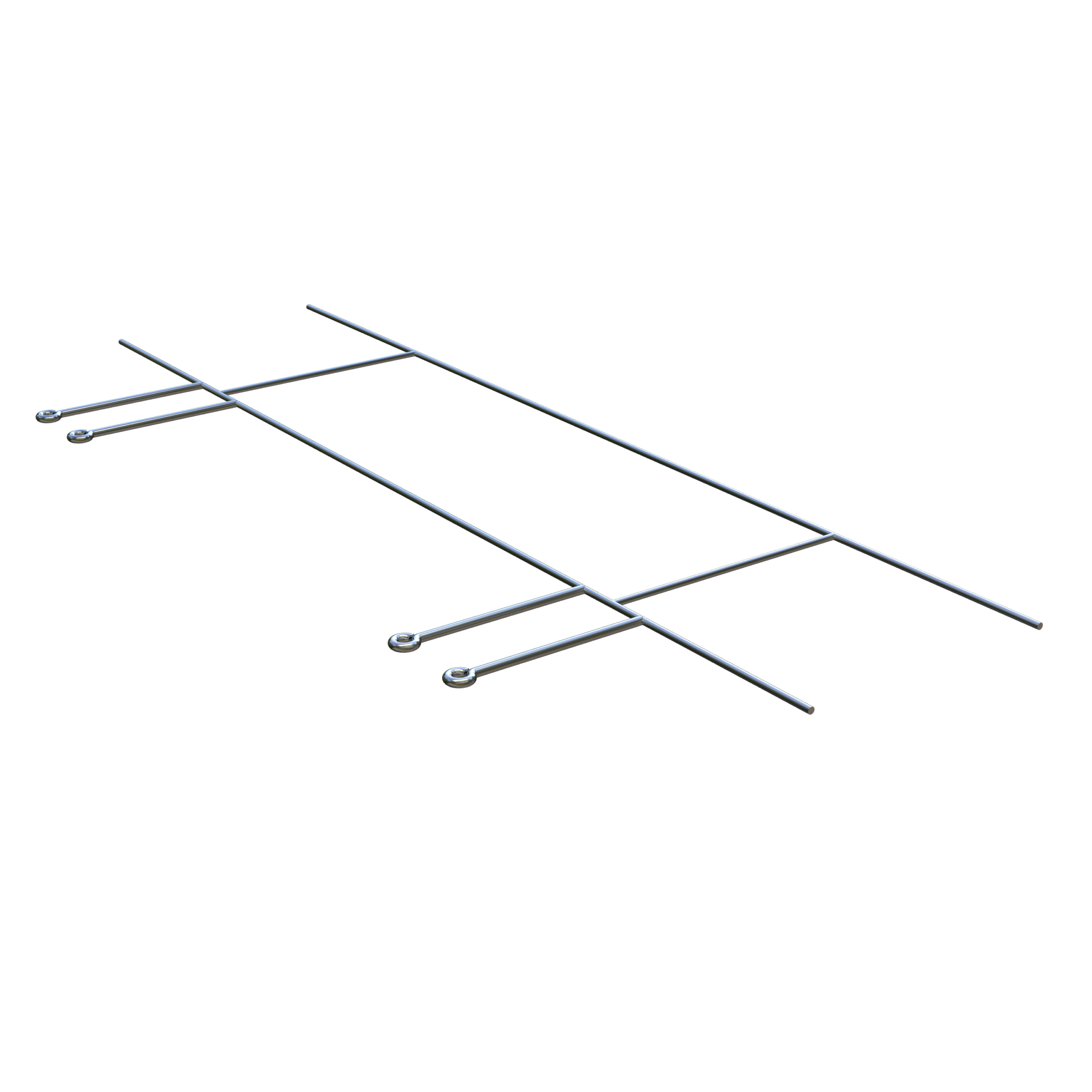
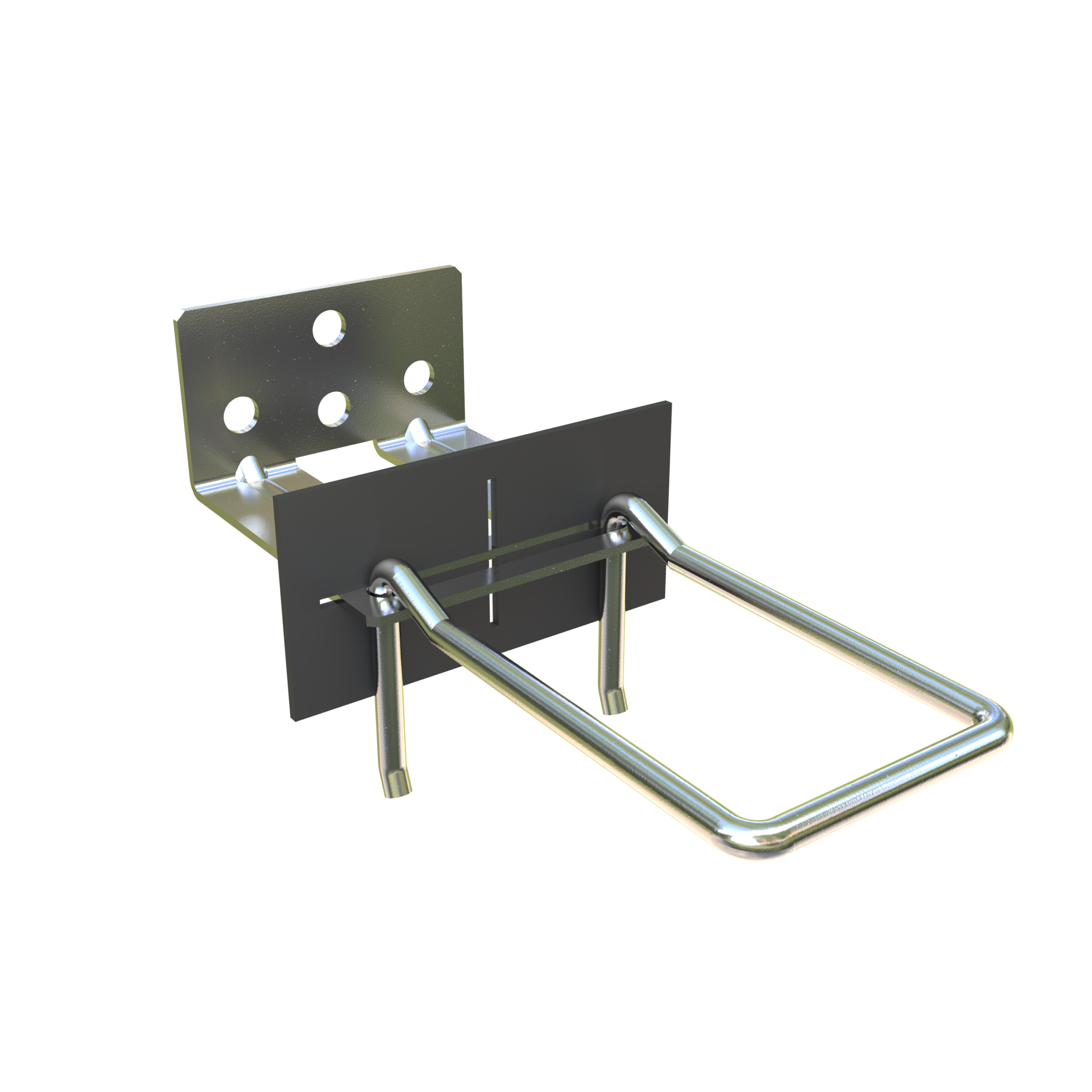
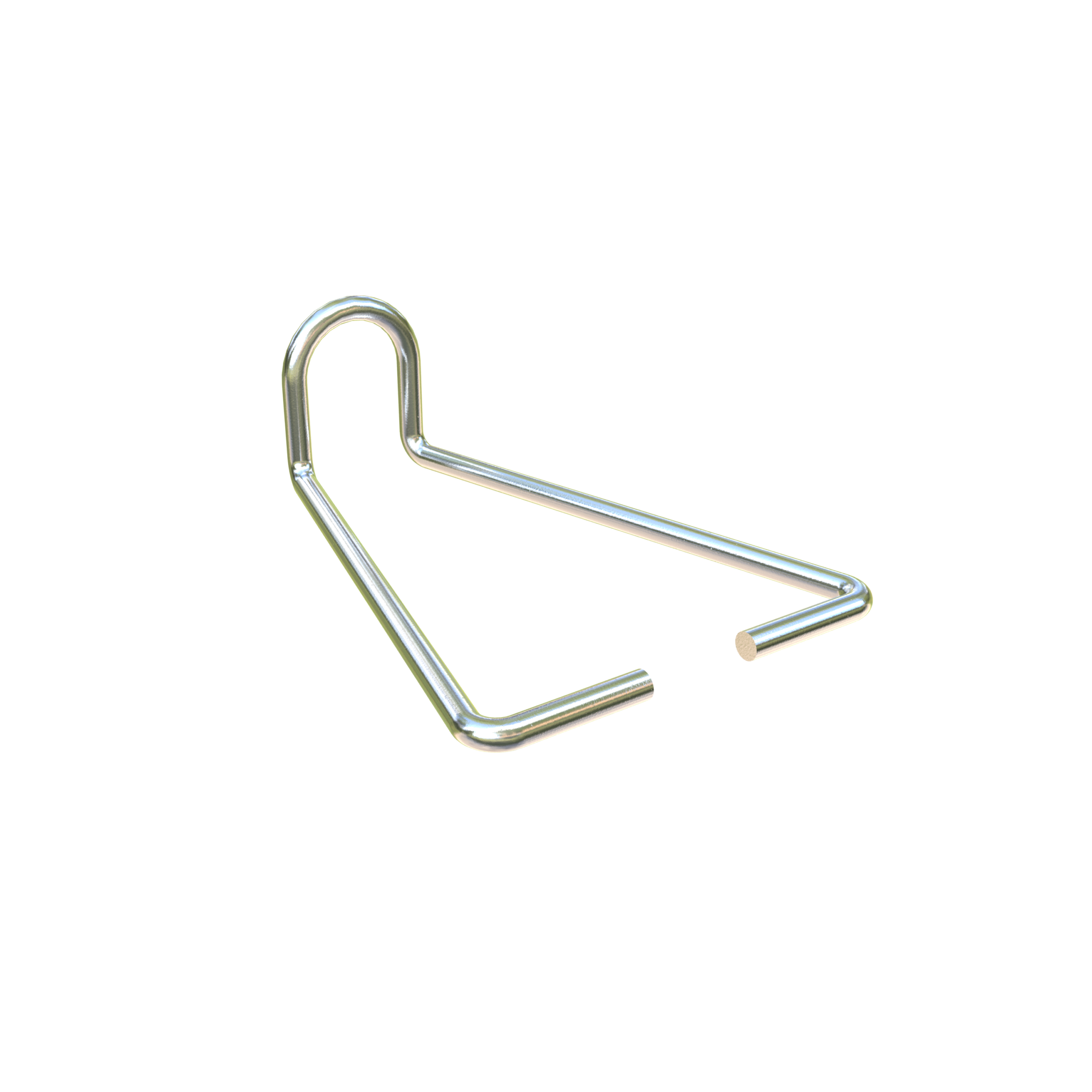
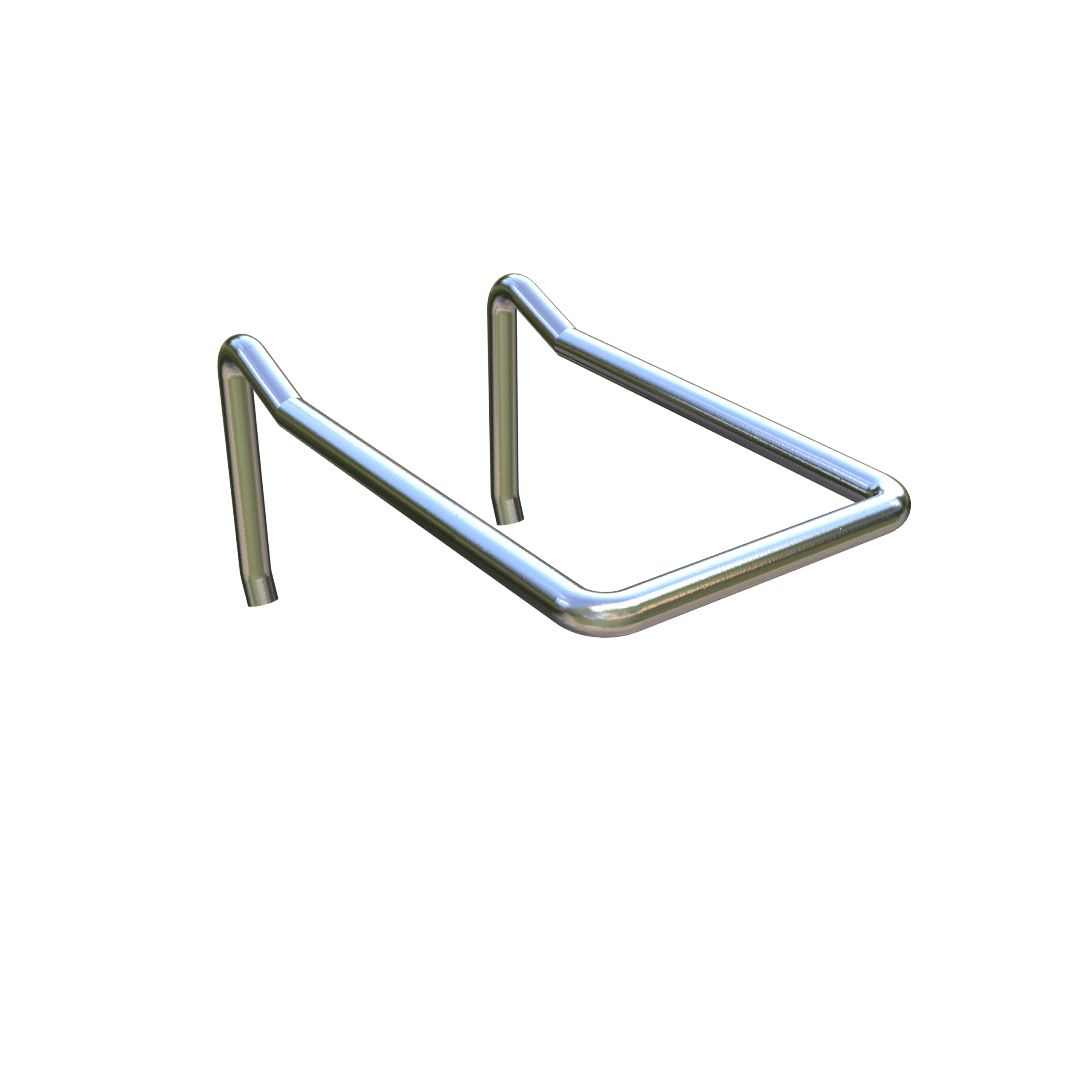
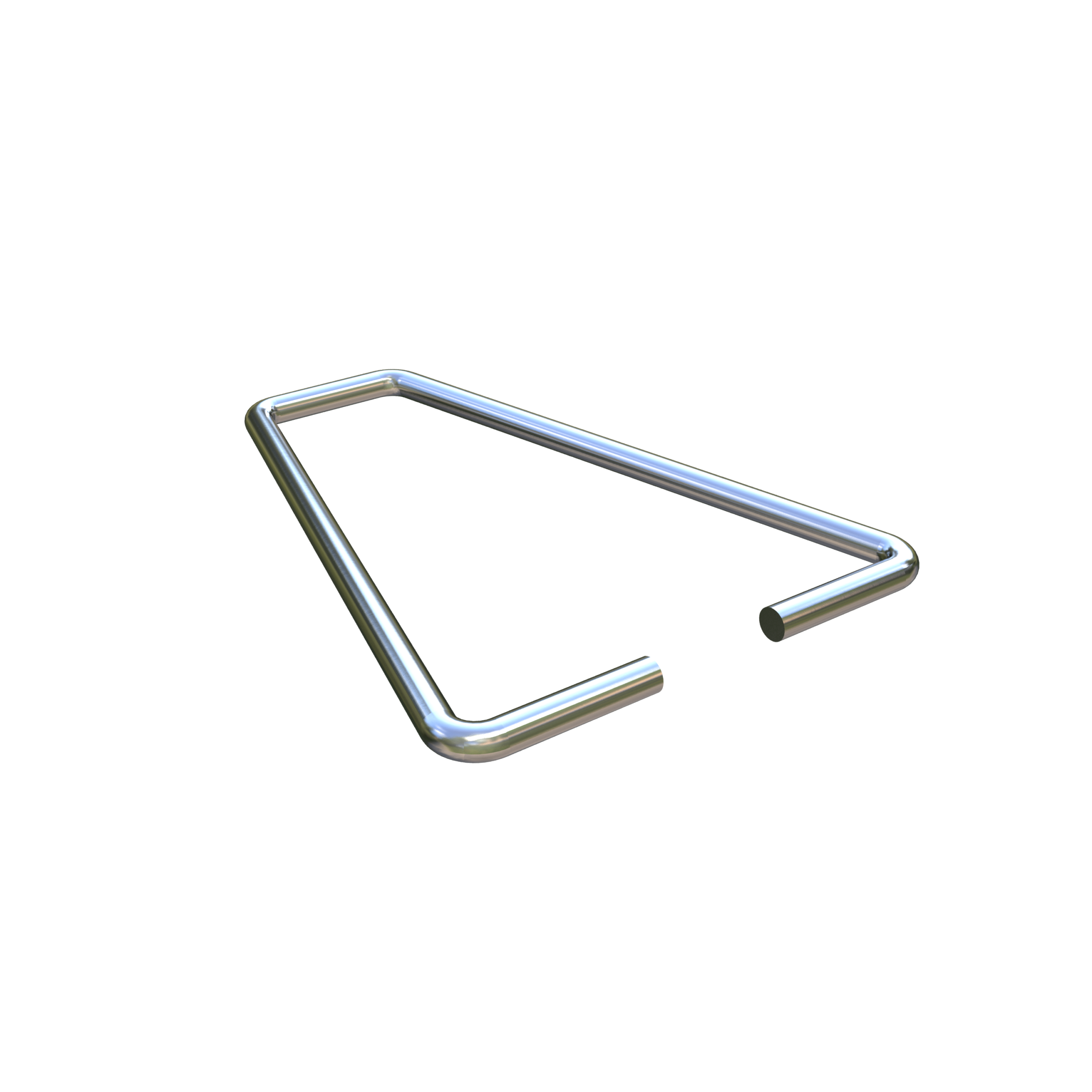
Wire anchors are individual wire ties, often hook-and-eye style, with common diameters of 3/16 inch or larger. They meet ASTM corrosion and strength standards and work well with joint reinforcement. Wire anchors allow some adjustment and are suitable when backup and veneer coursing don’t align perfectly.
Joint Reinforcement Anchors
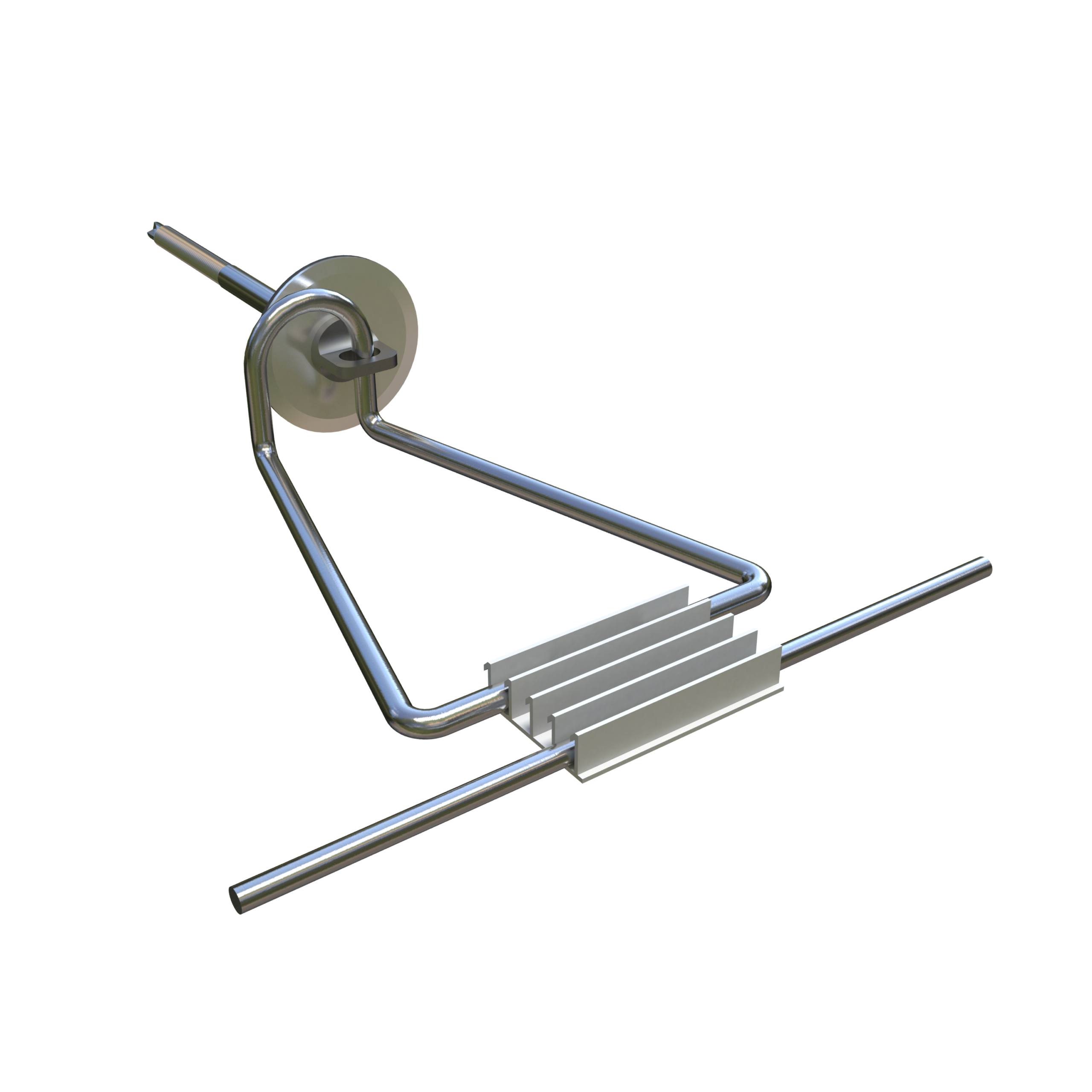
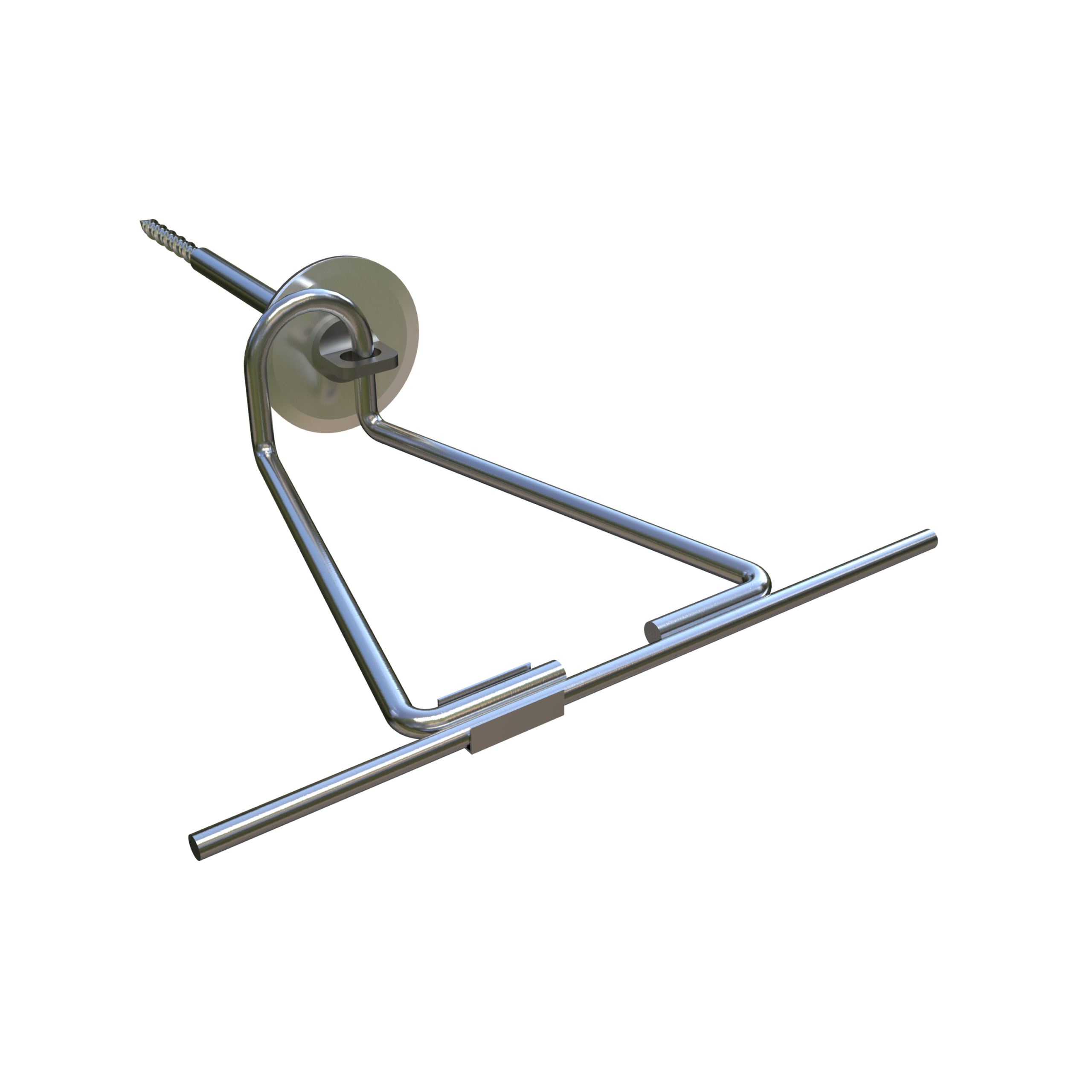
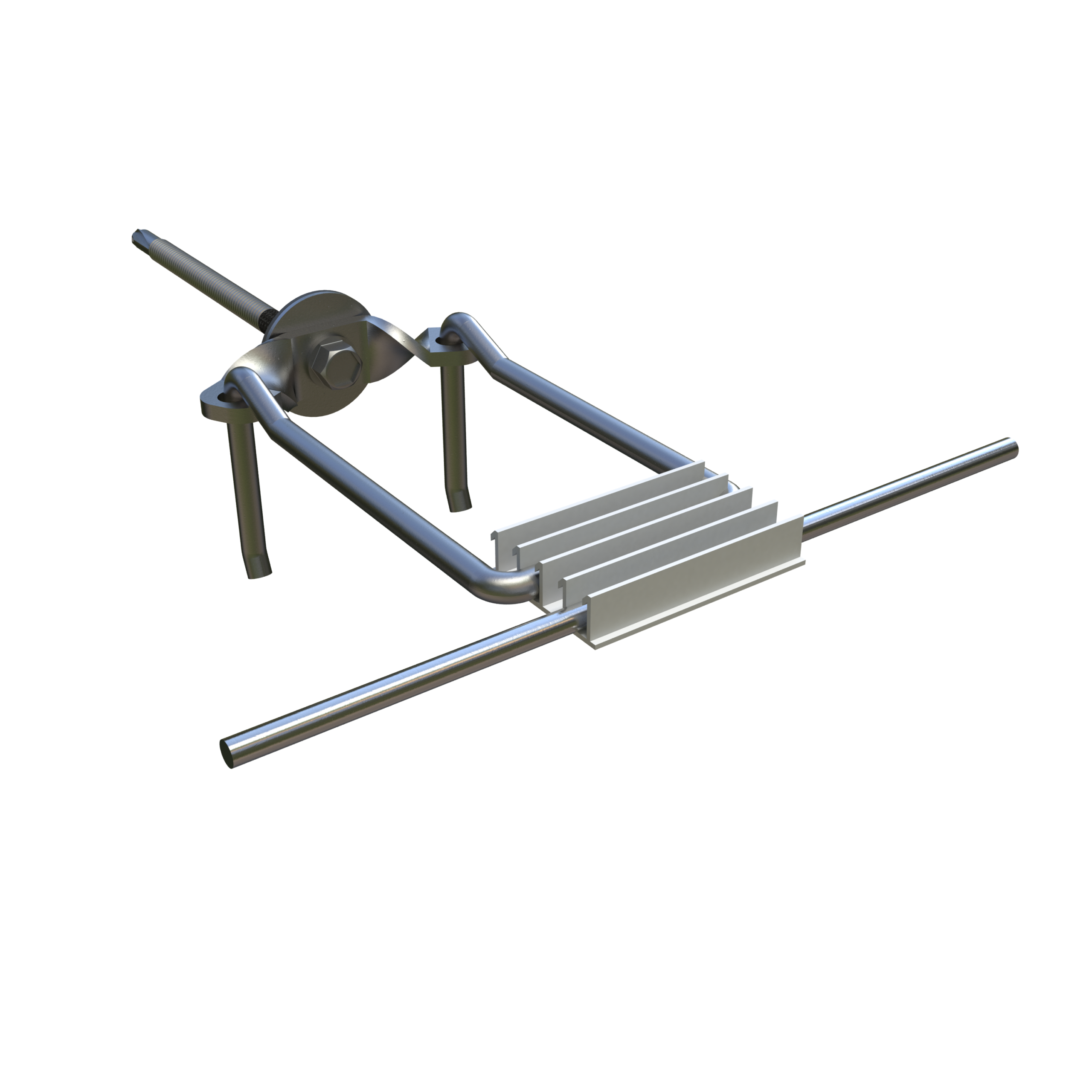
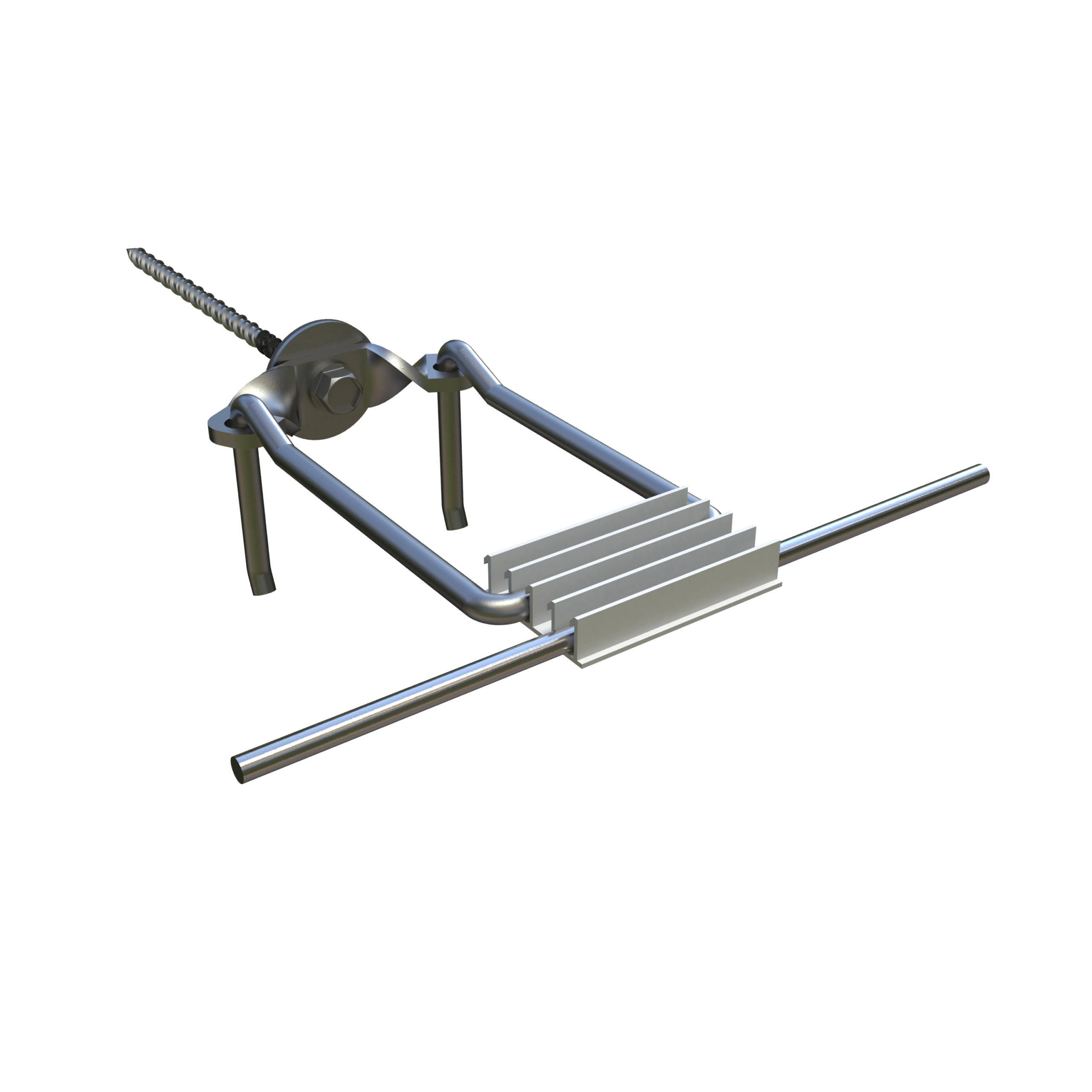
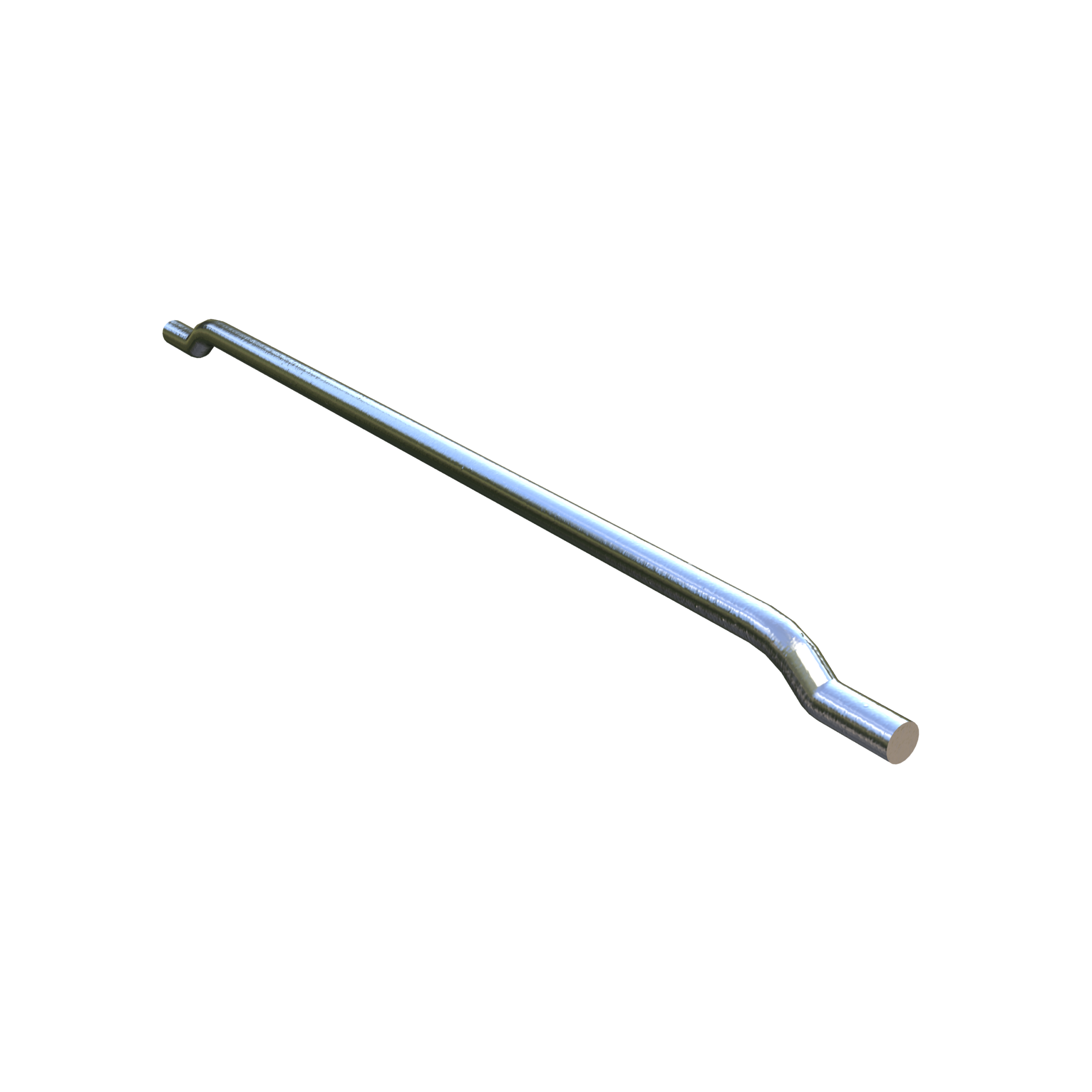
Joint reinforcement anchors combine ladder- or truss-type horizontal reinforcement with perpendicular wire anchors crossing bed joints to connect to the backup structure. Ideal for multi-wythe walls, they provide both reinforcement and anchoring, enhancing wall strength and stability.
Adjustable Veneer Anchors
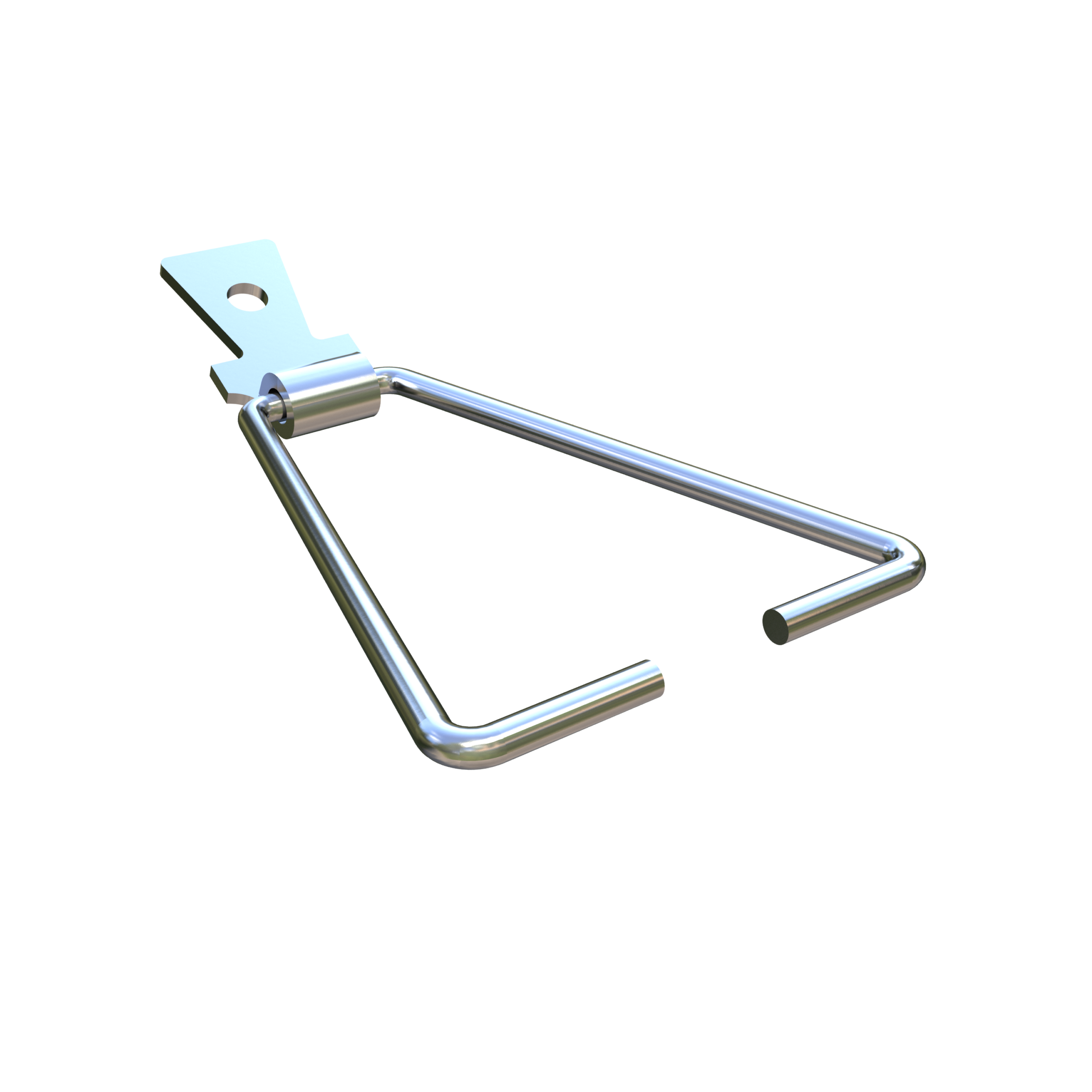
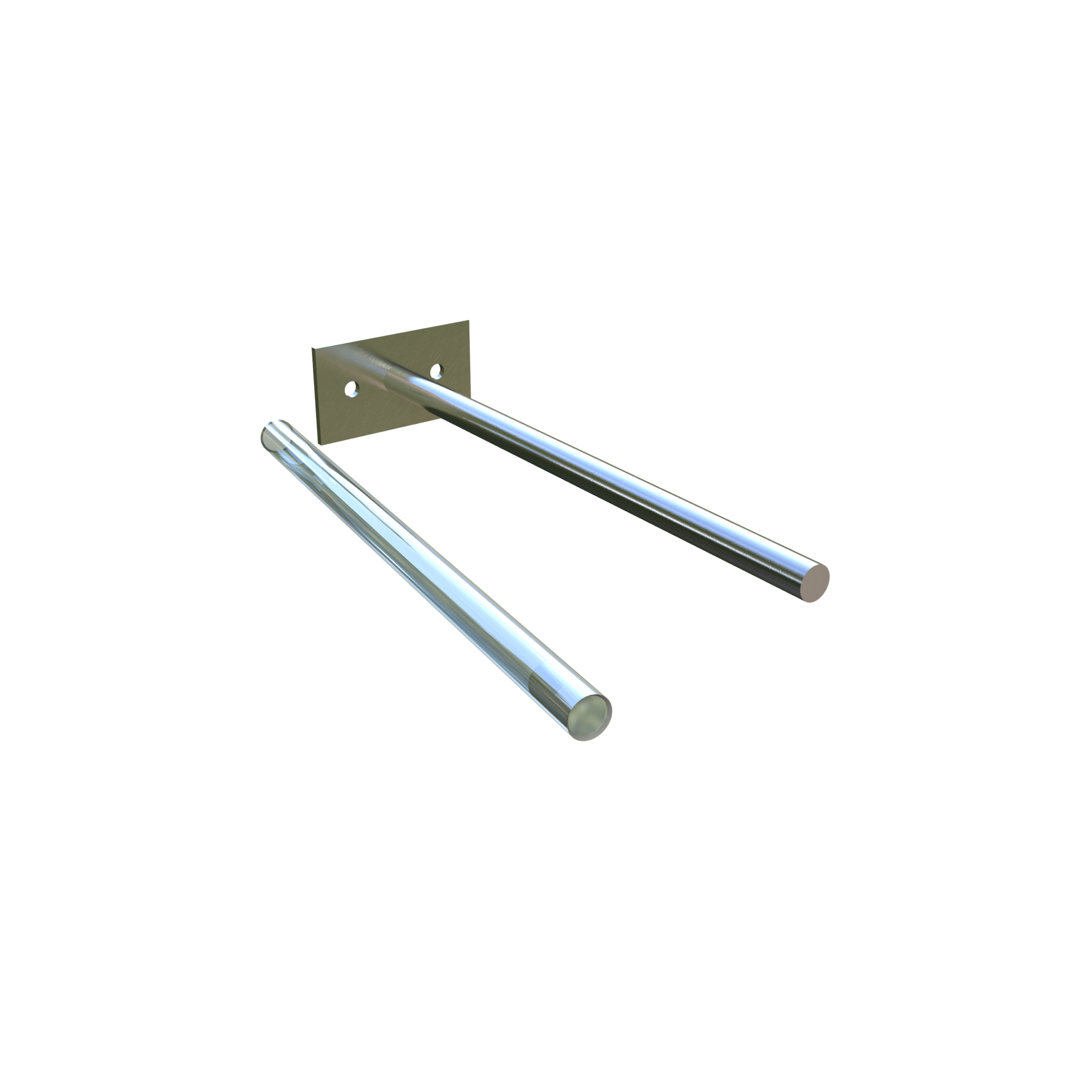
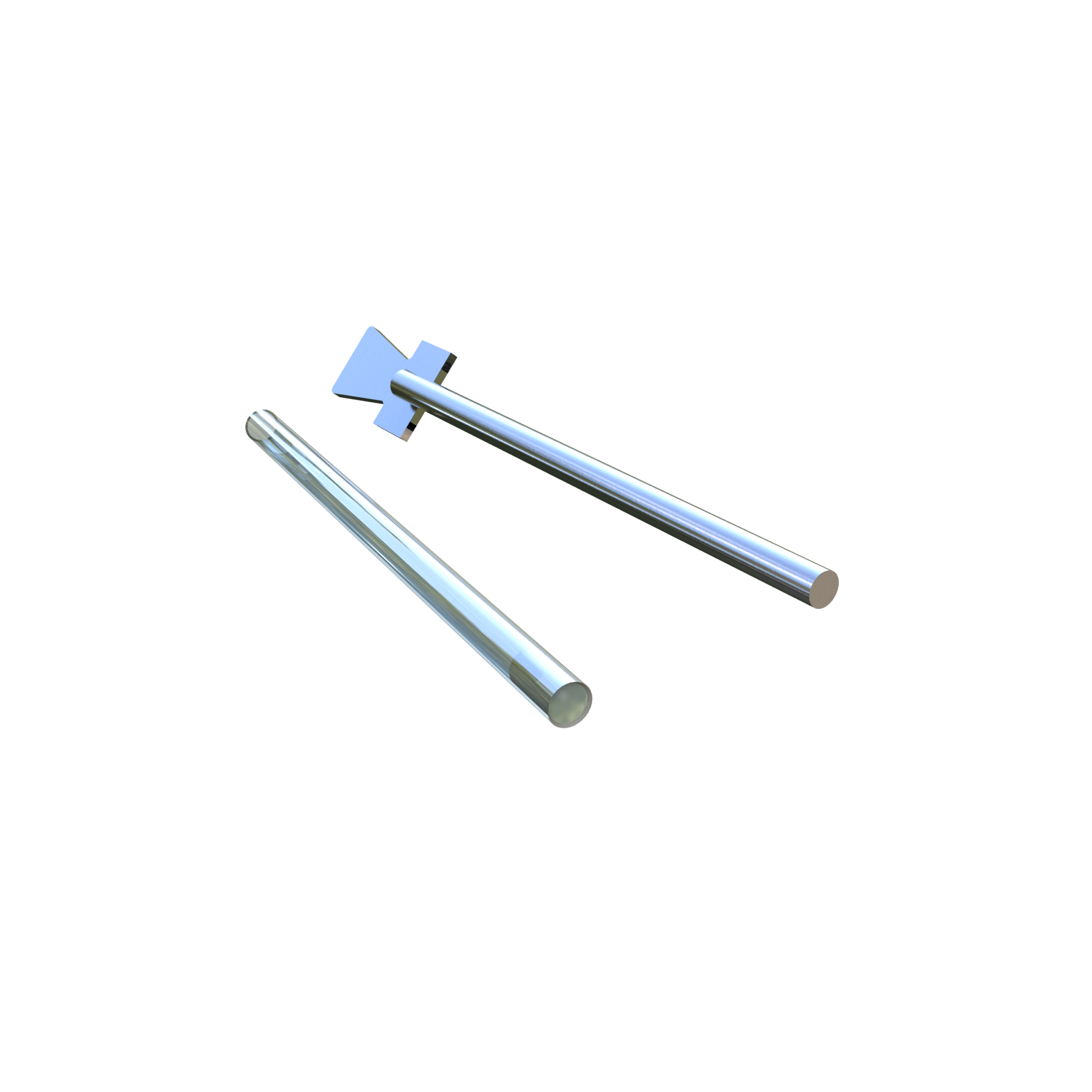
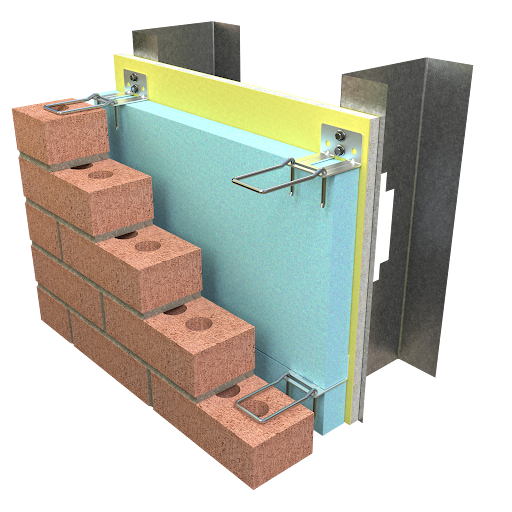
Adjustable anchors are two-piece systems with a clip or plate attached to the backup and a tie engaging the veneer, allowing in-plane adjustment. They are especially useful for insulated steel stud walls with wide cavities (2–4 inches or more), projects with continuous insulation, and situations where backup and veneer coursing do not align. Modern building codes limit vertical play to maintain a reliable load path.
Anchoring to Different Backup Materials
Selecting the right masonry anchor also depends on the backup material:
Wood Stud Backup
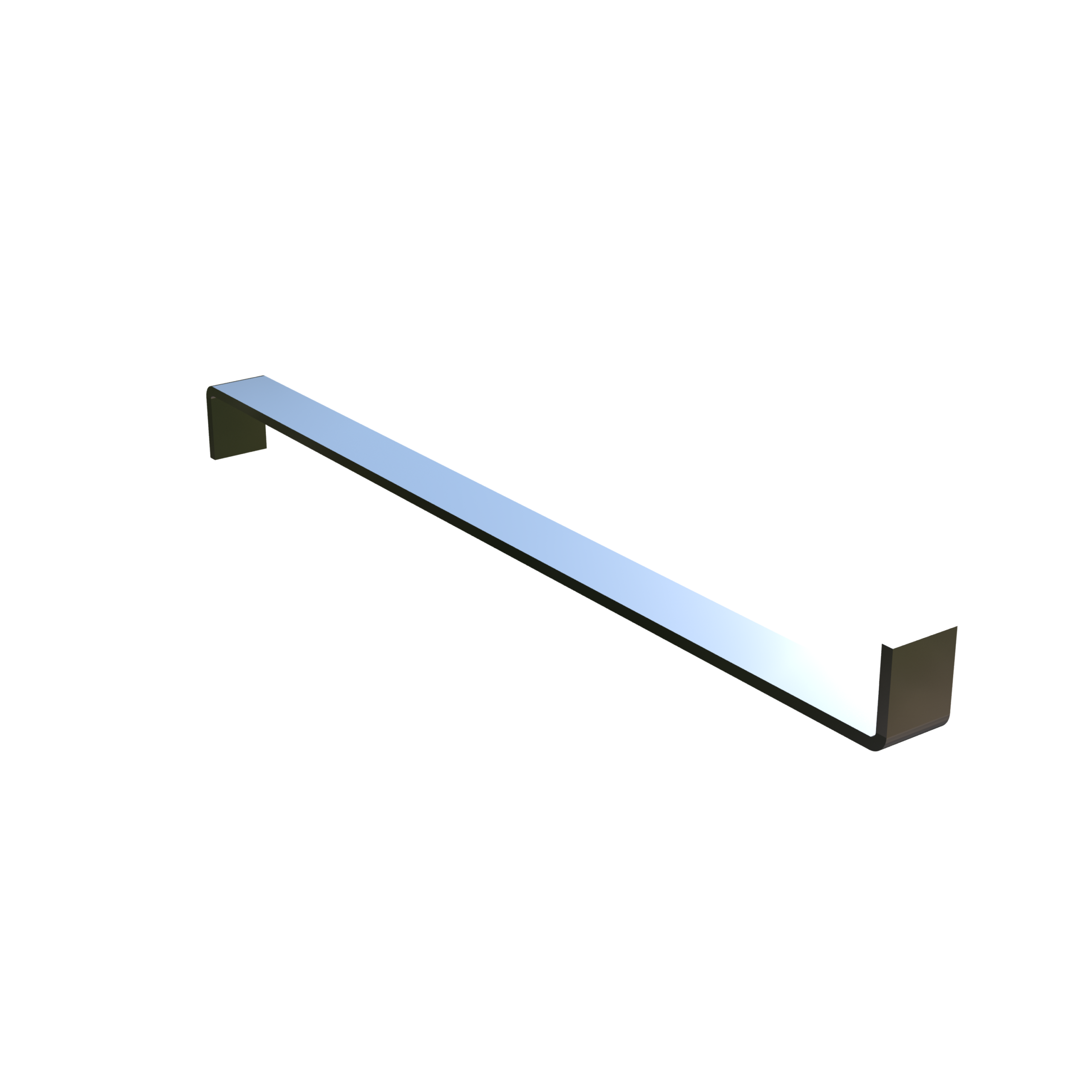
Common in residential projects, wood stud backup allows sheet metal strap anchors and selected wire and adjustable anchors. Corrosion-resistant fasteners such as hot dip galvanized nails or screws are required, with penetration into the stud meeting manufacturer specifications.
Cold-Formed Steel Stud Backup
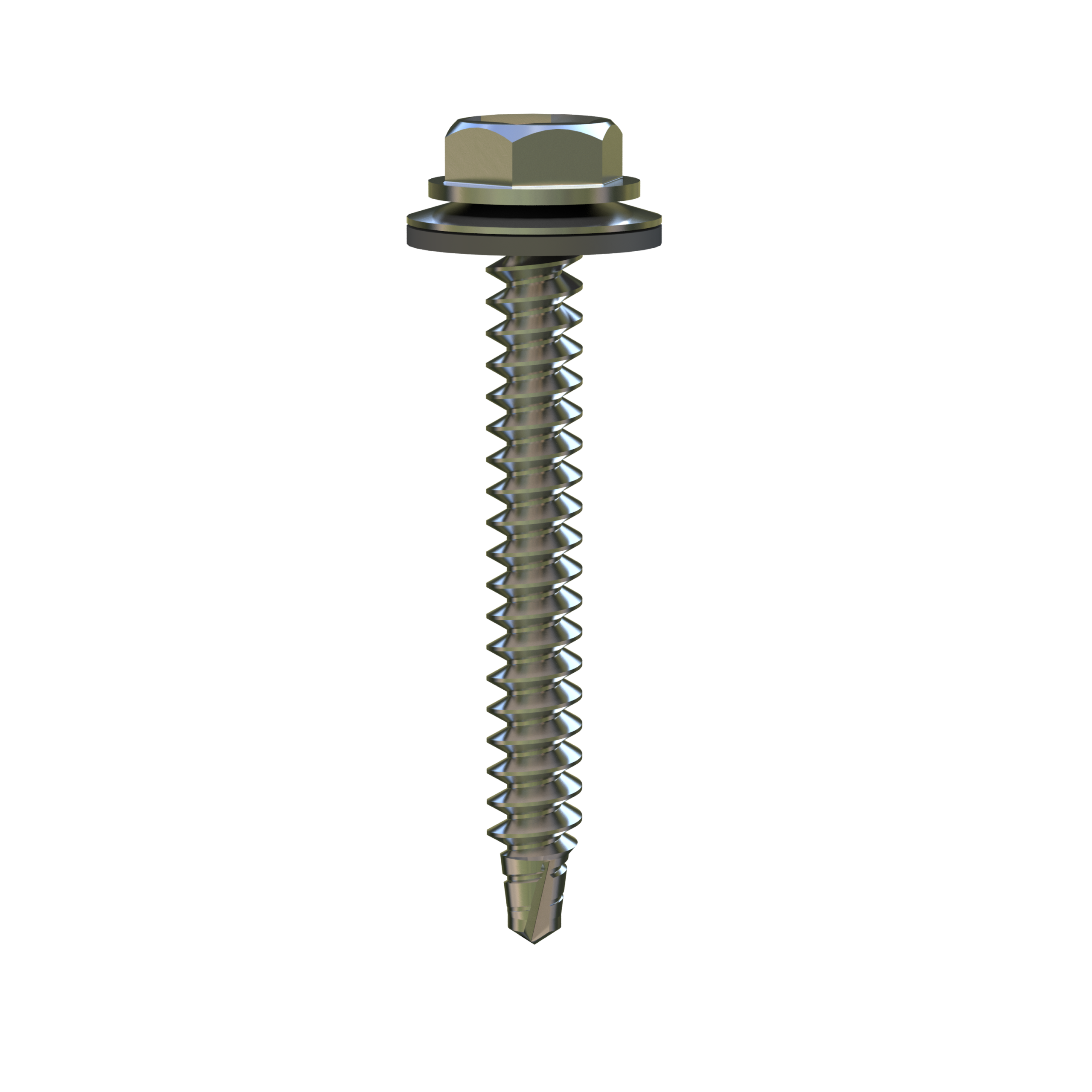
Steel stud backup requires adjustable veneer anchors fastened directly to the stud flange using self-drilling, corrosion-resistant screws.
Concrete Masonry Unit (CMU) Backup
Anchoring options for CMU backup include embedded wire anchors in bed joints, strap anchors in mortar joints, and surface-mounted systems for retrofits. Anchors carrying significant loads should be embedded in filled cores or grout, and additional anchors may be needed near openings and corners.
Cast-in-Place Concrete or Precast Backup
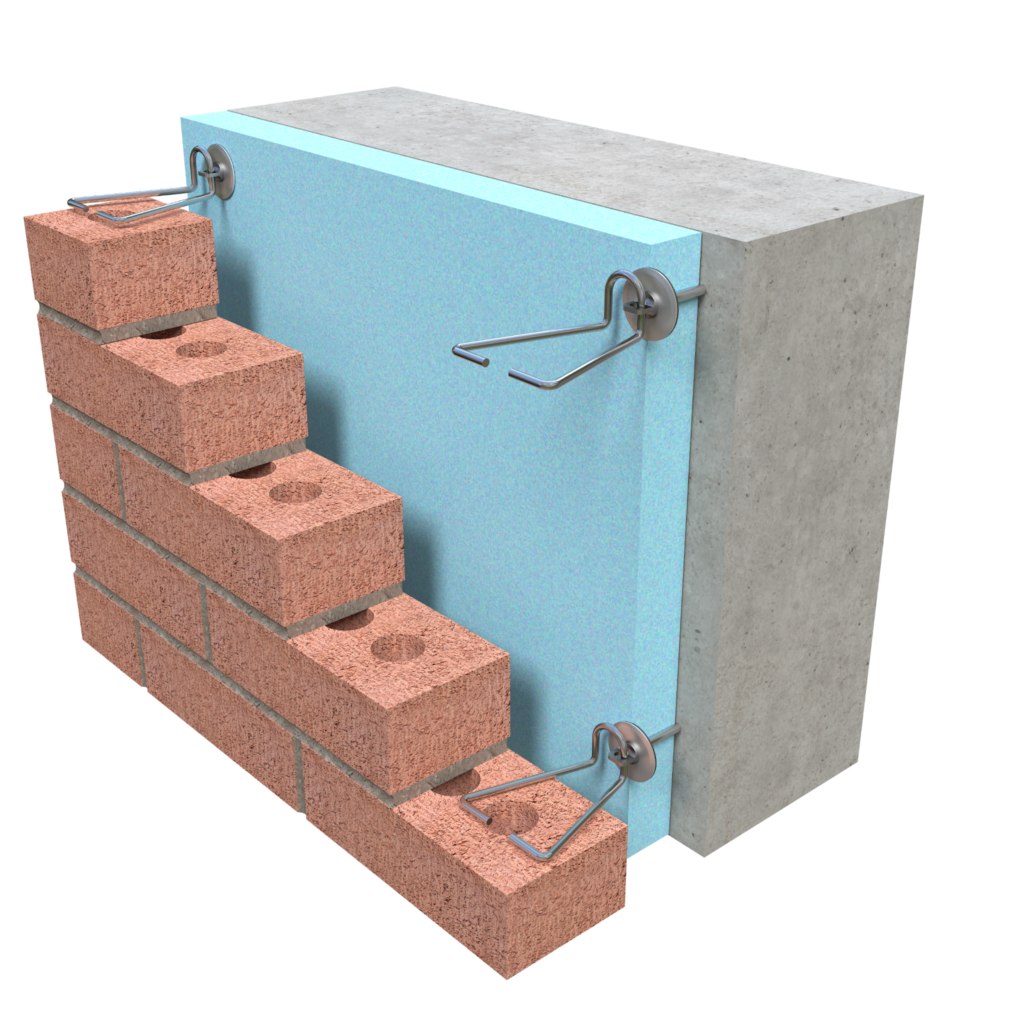
Anchoring to concrete backup often involves post-installed mechanical anchors such as wedge or expansion anchors that expand within pre-drilled holes. Adhesive anchors using epoxy or bonding systems are common for retrofit projects. Stainless steel or hot dip galvanized anchors are recommended for exterior use to prevent corrosion.
Design and Specification Considerations
When specifying masonry anchors, consider:
- Load and serviceability requirements, including wind, seismic, and veneer weight.
- Material selection and corrosion protection based on environmental exposure.
- Anchor spacing, embedment depth, and geometry per code.
- Thermal and moisture performance integration with wall design.
- Clear documentation and coordination with contractors and other trades.
Construction and Installation Best Practices
Proper installation is critical:
- Fully embed anchors in sound mortar or grout to minimum depths.
- Place ties at correct mortar joint elevations and align with backup attachment points.
- Use specified fasteners with proper size and corrosion resistance.
- Clean holes before installing post-installed anchors.
- Inspect workmanship, spacing, embedment, and corrosion protection.
Frequently Asked Questions
What are the best masonry anchors for brick veneer?
Adjustable veneer anchors are often the best choice for brick veneer, especially with insulated steel stud backups or wide cavity walls. Wire anchors and sheet metal anchors are also common, depending on backup type and load requirements.
Can masonry anchors be used with all backup materials?
Yes, but anchor type and fastening method vary by backup material (wood studs, metal studs, CMU, concrete). Proper selection ensures load transfer and compliance with codes.
How deep should masonry anchors be embedded?
Typically, anchors must be embedded at least 1 1/2 inches into mortar joints for solid masonry units. Embedment in grout-filled cores is recommended for hollow units.
Are stainless steel anchors necessary?
Stainless steel anchors are recommended in coastal, marine, or highly corrosive environments to prevent corrosion and extend service life.
Can existing brick veneer be retrofitted with masonry anchors?
Yes, retrofit anchors can be installed by drilling through mortar joints and securing to backup with mechanical or adhesive anchors, following engineering review.
Secure Your Project with Expert Masonry Anchors
Choosing the right masonry anchors and veneer anchor types ensures safe, durable, and code-compliant exterior walls. For expert advice and quality masonry anchors tailored to your project’s backup materials and design requirements, visit 3genmp.com. Secure your brick veneer installation with confidence using the best anchors for your job.