













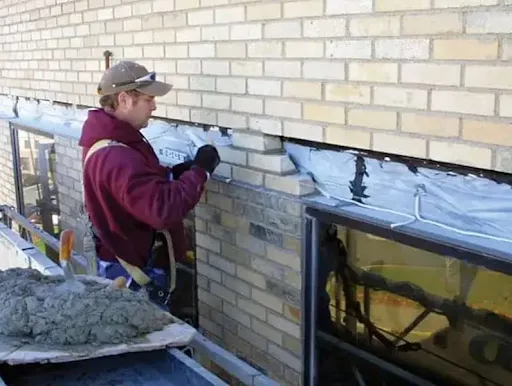
When it comes to building or repairing a masonry wall, flashing is the unsung hero — hidden from view yet critical for keeping water out and protecting the structure.
Whether you’re researching the best flashing for brick, weighing up clear non-asphaltic adhesive vs. stainless steel flashing, or exploring the benefits of copper flashing, you’re likely trying to figure out which choice makes the most sense for your project. So, let’s break it down in a clear and practical way.
Why Flashing Matters in Masonry Walls
Brick Is Not Waterproof
Brick and mortar are durable, but they absorb water. Rain can enter through small cracks, mortar joints and transition points around windows, doors and rooflines. Without proper drainage, that moisture can move deeper into the wall.
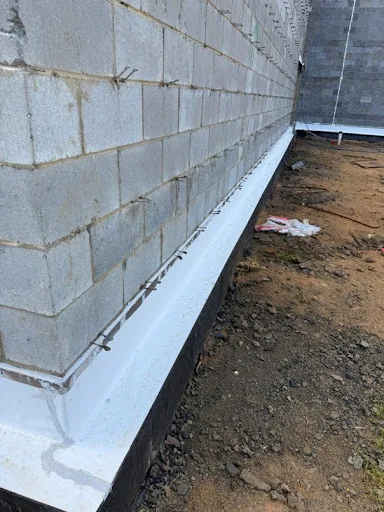
Flashing Directs Water Out
Flashing is installed at key points in the wall to collect water and guide it back to the exterior. It works together with weep holes and drainage components to protect the structure behind the brick.
When flashing is properly selected and installed, it reduces the risk of mold, corrosion, staining and long-term structural damage.
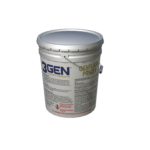
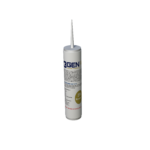
At 3GEN Masonry Products, our GENFLASH® line is designed to ensure reliable moisture management in masonry construction. Selecting the right material is a crucial part of that system.
Understanding Clear Non-Asphaltic Adhesive
How It Works
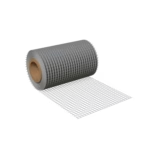
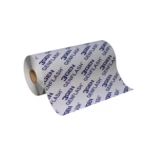
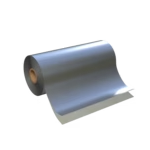
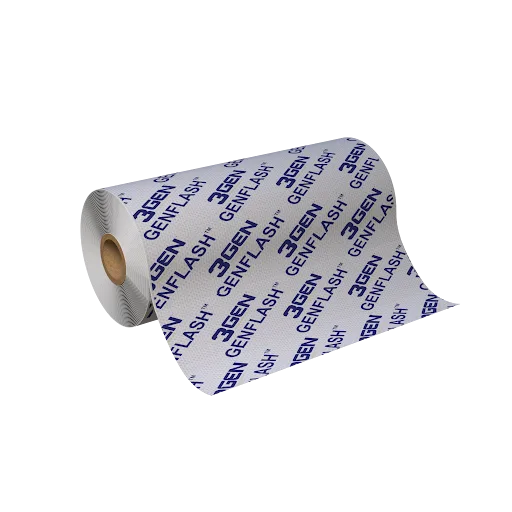
Clear non-asphaltic adhesive comes in flexible rolls and consists of a composite membrane with a custom clear adhesive. Applied to polyethylene sheeting during manufacturing, this adhesive creates a flexible membrane that bonds well to a variety of surfaces.
Adhering directly to the wall and forming a tight seal that resists water intrusion, its flexibility allows it to conform to corners, irregular surfaces and detailed areas such as window and door openings.
Where It’s Commonly Used
Clear non-asphaltic adhesive is often used in residential and light commercial construction. It’s especially useful around window heads, sills and other transition points where shaping and sealing are important. Its flexibility allows installers to move quickly while still achieving solid coverage.
What to Consider
Commonly made from woven polyethylene, this type of flashing is not recyclable and carries a much shorter warranty than stainless steel or copper alternatives — typically around a decade compared to a lifetime.
Proper surface preparation is critical: the wall surface must be clean and dry to ensure strong adhesion. Climate conditions can also affect performance, so selecting a product suited to your environment is important.
All peel-and-stick flashing must be rolled with a hard roller to eliminate air pockets. When installed correctly, Clear non-asphaltic adhesive offers reliable protection across many masonry applications.
Understanding Stainless Steel Flashing
Strength and Stability
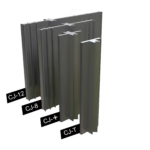
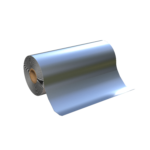
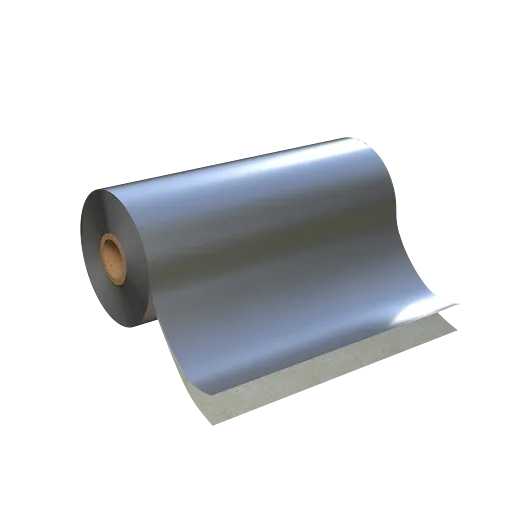
Stainless steel flashing is known for durability and structural strength. It maintains its shape and performs well in demanding environments. When not used with adhesive for its primary performance, it handles temperature changes and long-term exposure very well.
Ideal Applications
Stainless steel flashing is well-suited for commercial buildings, schools, healthcare facilities and large-scale masonry projects. These structures are typically built for long service lives, making material durability a top priority.
Installation Factors
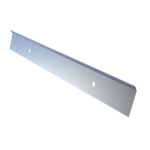
Metal flashing must be carefully formed and integrated with the masonry system, with proper fastening and precise installation and finishing to ensure water is effectively directed away from the building. When installed correctly, it can last for decades with minimal maintenance.
Stainless steel flashing is available in both non-adhesive (NA) or self-adhesive (SA) forms.
Understanding Copper Flashing
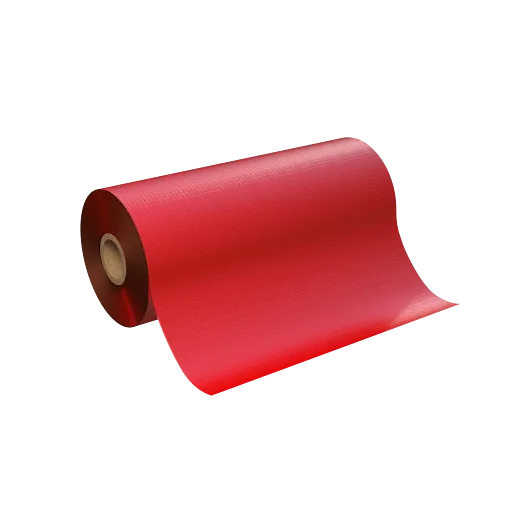
A Traditional Choice
Copper has been used in masonry construction for generations. It offers long-term durability along with a distinct appearance that many architects and property owners appreciate.
Performance in Moisture-Prone Areas
Copper performs exceptionally well in areas with constant moisture, offering strong corrosion resistance in coastal and humid climates. Like stainless steel, it can function without adhesives, using its shaped, overlapping design to guide water safely out of the wall system.
Installation Considerations
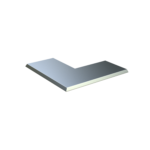
Copper must be carefully integrated into the wall assembly. While it is workable and formable, it still requires proper installation and finishing to ensure long-term performance.
For projects where both durability and appearance matter, copper remains a trusted material.
Comparing Flashing Options for Brick Walls

Clear non-asphaltic adhesive, stainless steel and copper flashing can all be optimal choices for brick wall flashing. So, how do you select the right one?
Consider Building Type
A residential home may have different needs than a commercial building and the scale of a project often determines which flashing material is most suitable. Smaller projects may prioritize ease of installation, while larger buildings typically focus on long-term durability.
Only copper and stainless steel flashing are truly recyclable and able to offer gap spanability.
Consider Climate
In areas with heavy rainfall, repeated freezing and thawing or extreme temperature changes, material performance under stress becomes especially important. Metal flashings tend to perform the most consistently under these conditions.
In moderate climates, flexible sheet-based flashing can provide reliable performance when properly installed.
Consider Long-Term Expectations
Some projects are designed with minimal maintenance in mind, while others prioritize upfront cost or ease of installation. Understanding the long-term goals of the building helps guide the flashing decision.
Both copper and stainless steel flashing come with lifetime warranties, whereas woven polyethylene adhesive offers only around a decade.
Matching Flashing to the Wall System
Integration with Other Components
Flashing does not work alone. It must integrate with wall anchors, air barriers that control airflow, insulation and drainage systems. Selecting a flashing material that complements the full wall assembly ensures better overall performance.
Location Within the Wall
Detailed areas like window openings may benefit from flexible materials that conform tightly to surfaces. Longer horizontal runs or high-exposure zones may benefit from rigid metal flashing.
Each section of a masonry wall has unique demands, so matching the flashing to the specific location can improve long-term results.
Choosing the Best Flashing for Your Project

There is no single answer to which flashing is best for brick walls. The right choice depends on the structure, environment and design goals.
Clear non-asphaltic adhesive offers flexibility and efficiency in many residential and light commercial applications. Stainless steel provides strength and long-term durability for demanding commercial projects.
Copper delivers durability along with a distinctive appearance for architectural builds and restorations. The key is selecting a solution that aligns with your building’s performance expectations.
Build with Confidence Using GENFLASH®
Moisture control is one of the most important aspects of masonry construction and the flashing you choose plays a major role in protecting your investment.
At 3GEN Masonry Products, our GENFLASH® solutions are designed to ensure reliable water management in brick and masonry walls. Whether your project requires a flexible non-asphaltic system or a durable metal flashing option, choosing the right materials makes all the difference.
Ready to Choose the Right Flashing?
Protect your masonry investment with the right GENFLASH® solution. Explore our full line at 3genmp.com and discover products designed for long-lasting performance in any building type or climate.
Not sure which option is best? Our experts are ready to guide you—to help you select the flashing that ensures durability, efficiency and peace of mind for years to come. Contact 3GEN Masonry Products today and safeguard your next project with GENFLASH®.